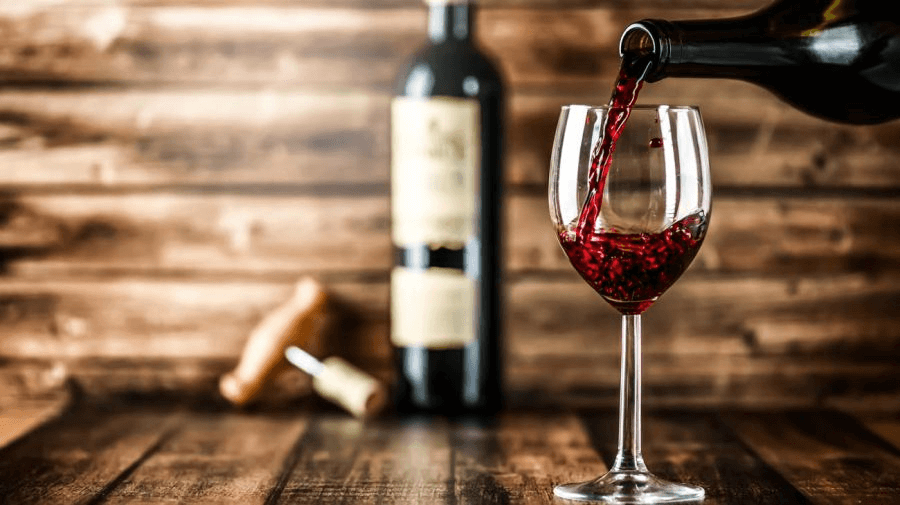
Argentina is globally celebrated for its bold, expressive wines, especially its rich Malbecs and aromatic Torrontés. But the country’s wine story goes far beyond these two stars.
From high-altitude Cabernet Sauvignon to crisp Pinot Noir from Patagonia, Argentina offers one of the most diverse and exciting wine landscapes in the world.
In this guide, we explore the history, key grape varietals, major wine regions, tasting styles, and travel destinations that define Argentinian wine.

A Brief History of Wine in Argentina
Spanish Beginnings
- Wine grapes were introduced by Spanish colonists in the 16th century
- Early production focused primarily on sacramental wine for religious use
Italian and French Influence
- In the 19th century, European immigrants introduced advanced vineyard management
- Popular varietals like Malbec, Cabernet Sauvignon, and Bonarda took root
The Modern Quality Shift
- From the late 20th century onward, Argentina shifted from bulk table wine to premium exports
- Investment in technology, terroir research, and global markets transformed its reputation
According to the International Organisation of Vine and Wine, Argentina consistently ranks among the top five wine-producing countries worldwide, highlighting its global importance in modern winemaking.
Key Grape Varietals of Argentina
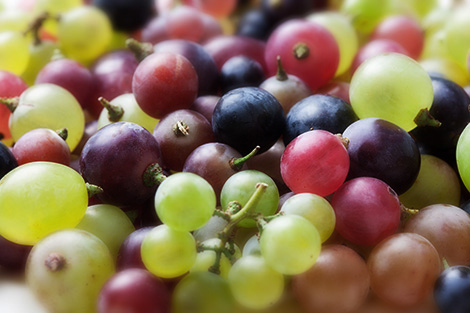
Malbec: Argentina’s Flagship Red
- Originally from France’s Cahors region
- Thrives in Argentina’s high-altitude vineyards
- Full-bodied and velvety with flavors of blackberry, plum, and cocoa
Best regions: Mendoza, especially Luján de Cuyo and the Uco Valley
Torrontés: Argentina’s Signature White
- Native to Argentina
- Highly aromatic with floral and citrus notes
- Crisp, refreshing, and dry on the palate
Best regions: Salta, particularly the Cafayate Valley
Cabernet Sauvignon
- Often grown alongside Malbec
- Structured, full-bodied wines with dark fruit and firm tannins
Best regions: Mendoza and San Juan
Bonarda
- Argentina’s second most planted red grape
- Juicy, fruit-forward wines with soft tannins
Best regions: Mendoza and San Rafael
Pinot Noir
- Performs best in cooler climates
- Produces elegant wines with red fruit and earthy notes
Best regions: Patagonia
Major Wine Regions of Argentina
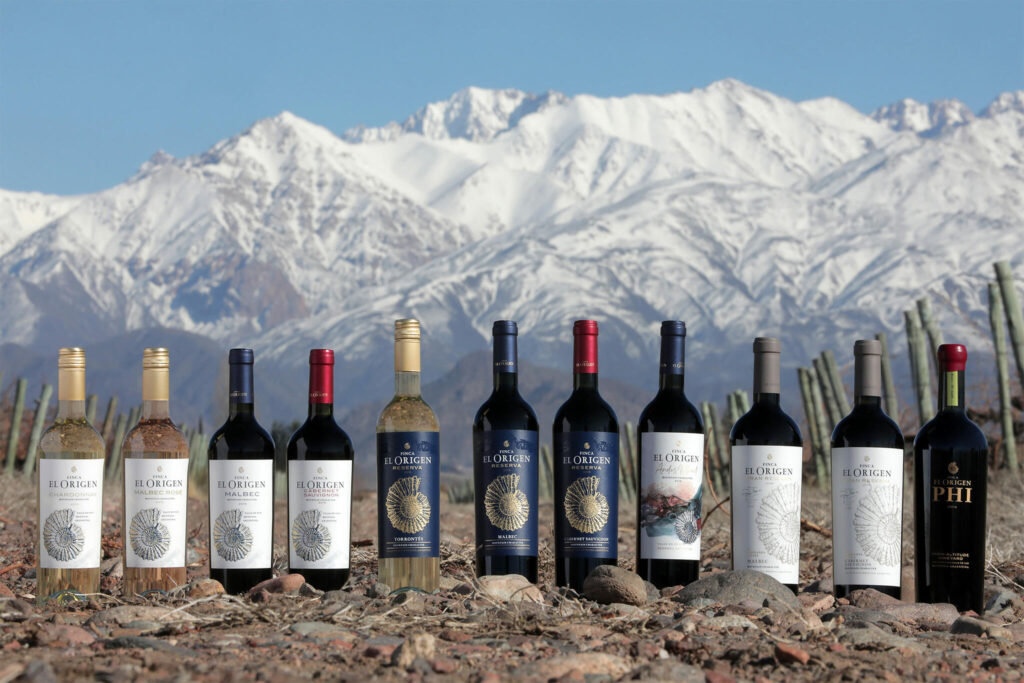
Mendoza: The Heart of Argentinian Wine
- Produces roughly 70 percent of the country’s wine
- Vineyards range from 600 to over 1,500 meters in elevation
- Known for Malbec, Cabernet Sauvignon, and premium blends
Salta: High-Altitude Vineyards
- Home to some of the highest vineyards in the world
- Extreme elevation creates intense aromatics and concentration
- Famous for Torrontés and bold red wines
Patagonia: Cool-Climate Precision
- Cooler temperatures and long growing seasons
- Ideal for Pinot Noir, Chardonnay, and Merlot
San Juan: Power and Sun
- Hot, dry climate
- Known for Syrah, Bonarda, and Cabernet Sauvignon
Why Argentinian Wines Are Unique
High-Altitude Vineyards
- Increased sunlight and temperature swings
- Thicker grape skins and deeper flavor concentration
Dry Climate
- Low humidity reduces disease pressure
- Supports sustainable and low-intervention farming
Andes Snowmelt Irrigation
- Pure meltwater from the Andes feeds vineyards
- Allows precise irrigation control in arid regions
Wine Styles Worth Exploring
Malbec Reserva
- Longer aging and greater complexity
- Deeper structure and layered flavors
Fresh Torrontés
- Best enjoyed young
- Ideal for warm climates and lighter dishes
Sparkling Wines
- Growing production in Mendoza and Patagonia
- Crisp, elegant styles are gaining international recognition
Late Harvest and Dessert Wines
- Made from overripe grapes
- Rich, honeyed sweetness balanced by acidity
Argentinian Wine Tourism Highlights

Mendoza Wine Route
- Hundreds of bodegas offering tastings and vineyard tours
- Popular producers include Catena Zapata, Bodega Norton, and Trapiche
Cafayate Wine Route
- Dramatic desert scenery
- Focus on Torrontés and high-altitude reds
Patagonia Wine Trail
- Boutique wineries in Neuquén and Río Negro
- Quiet, scenic, and focused on cool-climate wines
Popular Argentinian Wine Producers
Catena Zapata
- Internationally acclaimed for Malbec and Cabernet Sauvignon
Bodega Norton
- Consistent quality at accessible price points
Luigi Bosca
- Elegant wines with strong export presence
Trapiche
- One of Argentina’s most recognized global brands
Tips for Drinking and Pairing Argentinian Wines
Food Pairings for Malbec
- Grilled beef, lamb, and traditional asado
- Rich stews and roasted vegetables
Food Pairings for Torrontés
- Seafood, empanadas, and lightly spiced dishes
Serving Temperatures
- Red wines: 16 to 18°C or 61 to 64°F
- White and rosé wines: 8 to 12°C or 46 to 54°F
FAQs About Argentinian Wine
Is all Malbec from Mendoza?
No. While Mendoza leads production, excellent Malbec is also produced in Salta, San Juan, and Patagonia.
Is Argentinian wine expensive?
Argentina offers some of the best quality-to-price ratios in the global wine market, with strong options at nearly every price point.
Can wineries be visited without tours?
Many Mendoza wineries accept walk-ins, though reservations are recommended for premium tastings.
Conclusion
Argentina’s wine culture is defined by bold flavors, extreme terroirs, and deep-rooted craftsmanship. From the heights of the Andes to the cool winds of Patagonia, each bottle tells a story of place and passion.
Whether you are enjoying a structured Malbec with grilled beef or a floral Torrontés on a warm afternoon, Argentinian wine delivers both character and value in every glass.