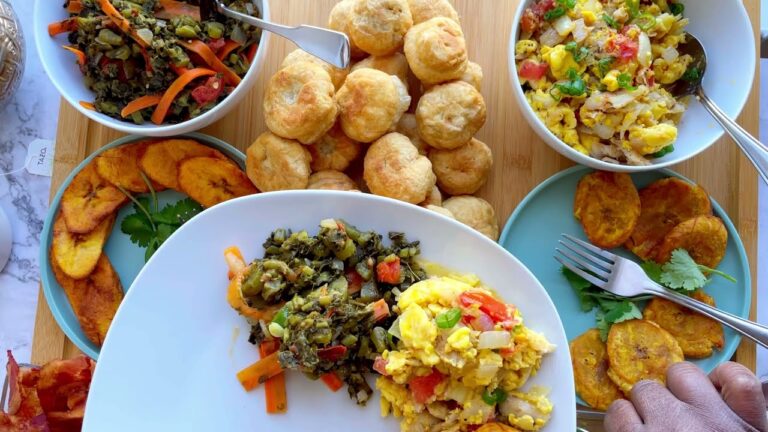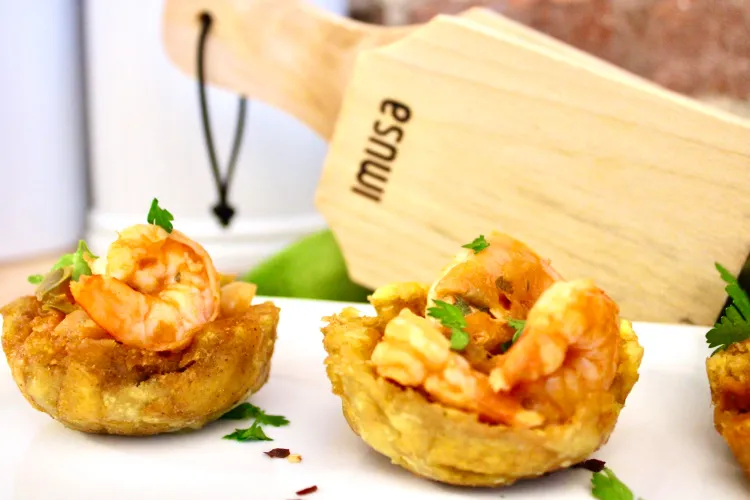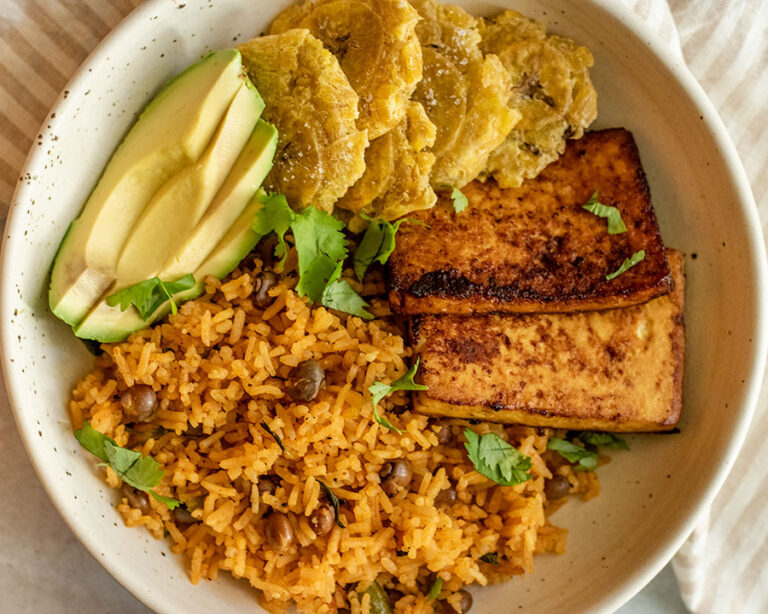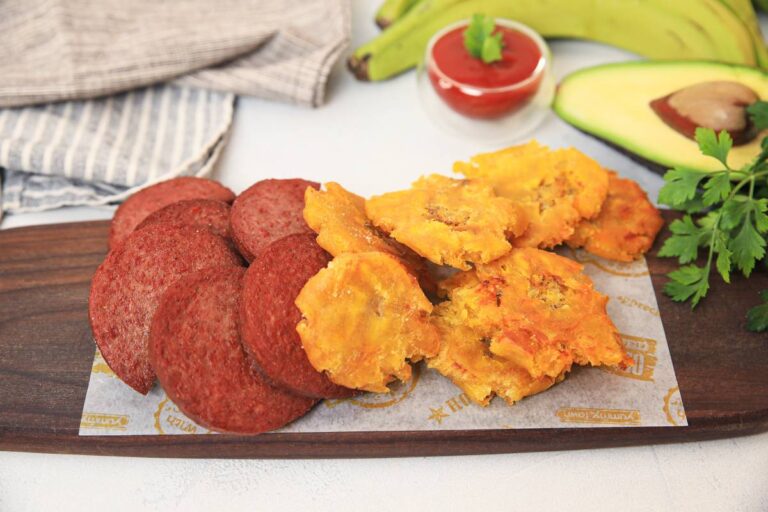
In Argentina, Semana Santa, or Holy Week, is one of the most important religious celebrations of the year, marked by reflection, family gatherings, and traditional foods that honor the season.
Food plays a central role in Semana Santa, blending Catholic customs, indigenous influences, and regional variations into a rich tapestry of flavors.
In this guide, we explore the Semana Santa food tradition in Argentina, the meaning behind it, and how different regions put their own spin on Holy Week meals.
Quick Answer:
During Semana Santa in Argentina, many families avoid red meat, especially on Good Friday, and focus on fish dishes, vegetarian meals, empanadas de vigilia, humita, and traditional Easter sweets like rosca de Pascua and torrijas.
The Cultural Significance of Semana Santa
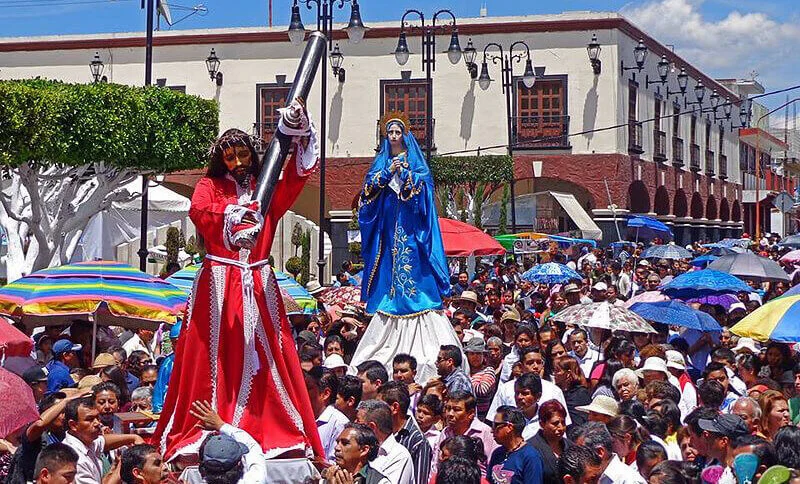
Religious Importance
- Semana Santa commemorates the Passion, Death, and Resurrection of Jesus Christ
- It begins on Palm Sunday (Domingo de Ramos) and ends on Easter Sunday (Domingo de Pascua)
Dietary Traditions
- Meat is often avoided, especially on Good Friday (Viernes Santo)
- Fish and vegetarian dishes take center stage as a form of religious observance
Why Fish Replaces Meat During Semana Santa in Argentina
Catholic tradition encourages abstaining from red meat on certain days of Holy Week as a form of sacrifice and reflection. This practice remains culturally strong in Argentina due to the country’s Catholic roots.
According to data from Argentina’s National Institute of Statistics and Censuses, over 75 percent of Argentines identify as Catholic, which helps explain why meatless traditions during Semana Santa are still widely observed across the country.
Most Popular Foods During Semana Santa in Argentina
Empanadas de Vigilia
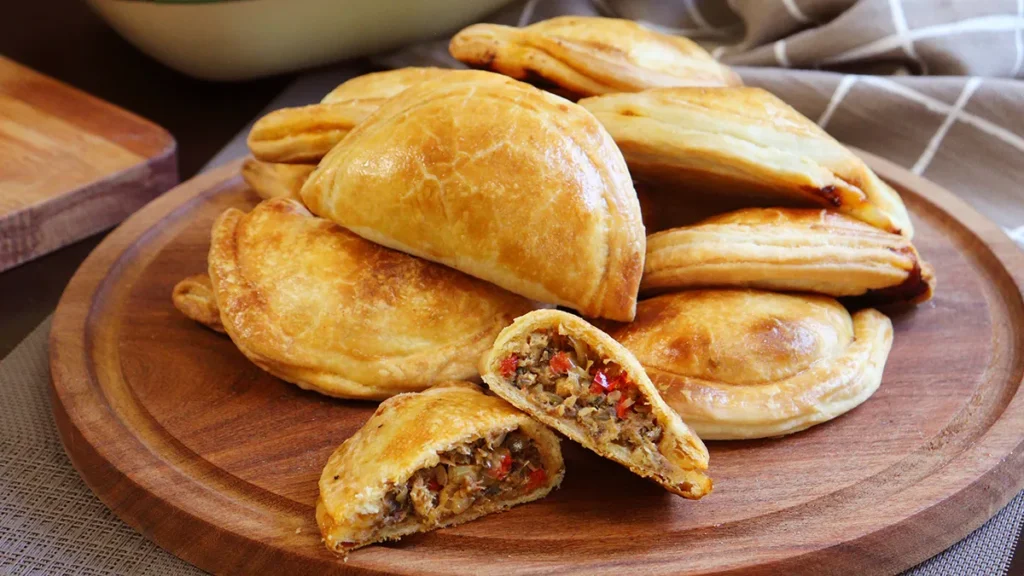
Special meatless empanadas traditionally filled with:
- Tuna
- Cheese and onion
- Spinach and ricotta
These empanadas are a staple during Holy Week and are commonly served on Good Friday.
Humita en Chala
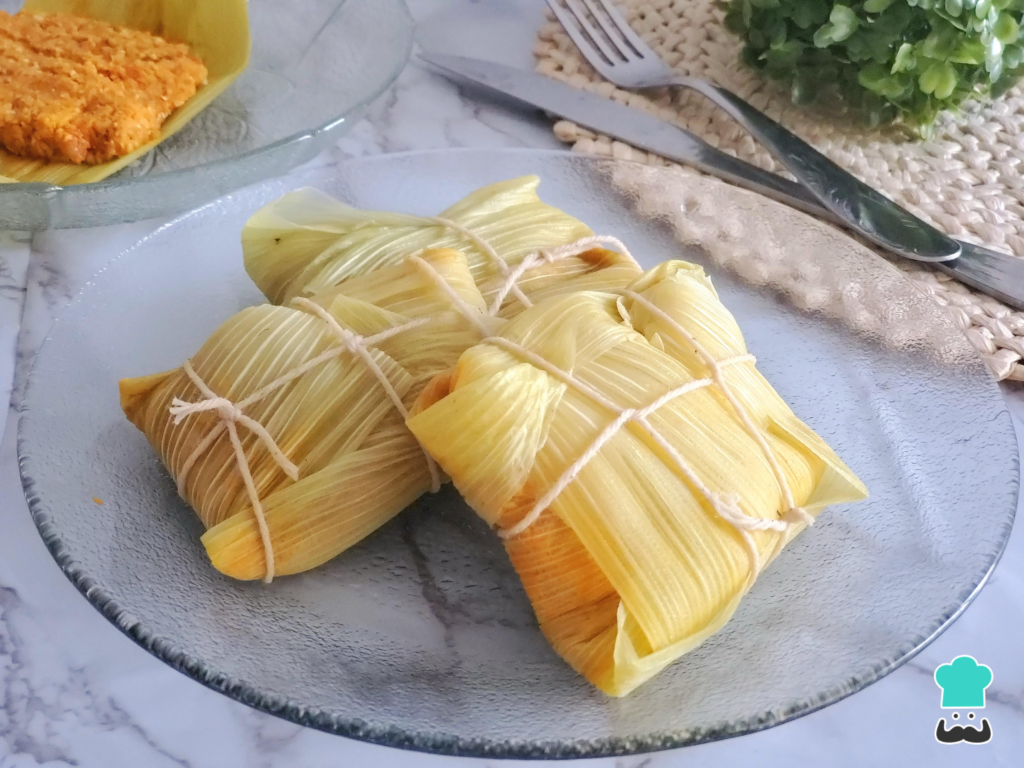
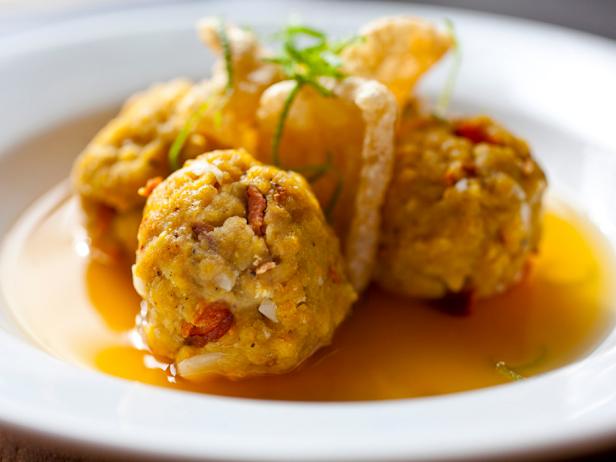
- A creamy, sweet, and savory corn pudding steamed inside corn husks
- A traditional indigenous dish, especially popular in northern Argentina
Locro
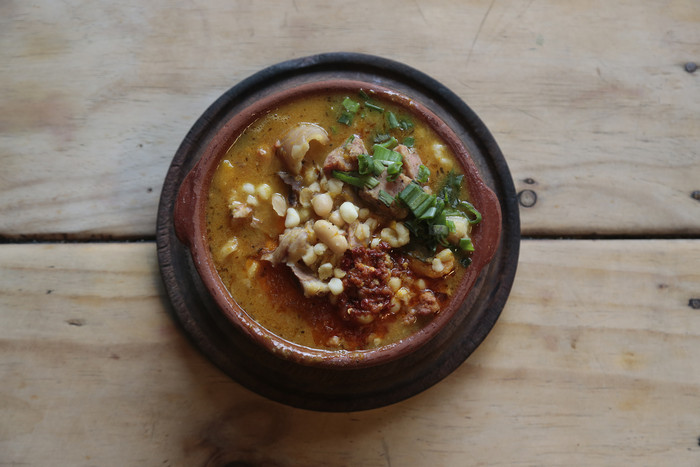
- A hearty stew made with corn, beans, pumpkin, and vegetables
- While some versions include beef, vegetarian locro is widely prepared during Semana Santa
Fish Dishes
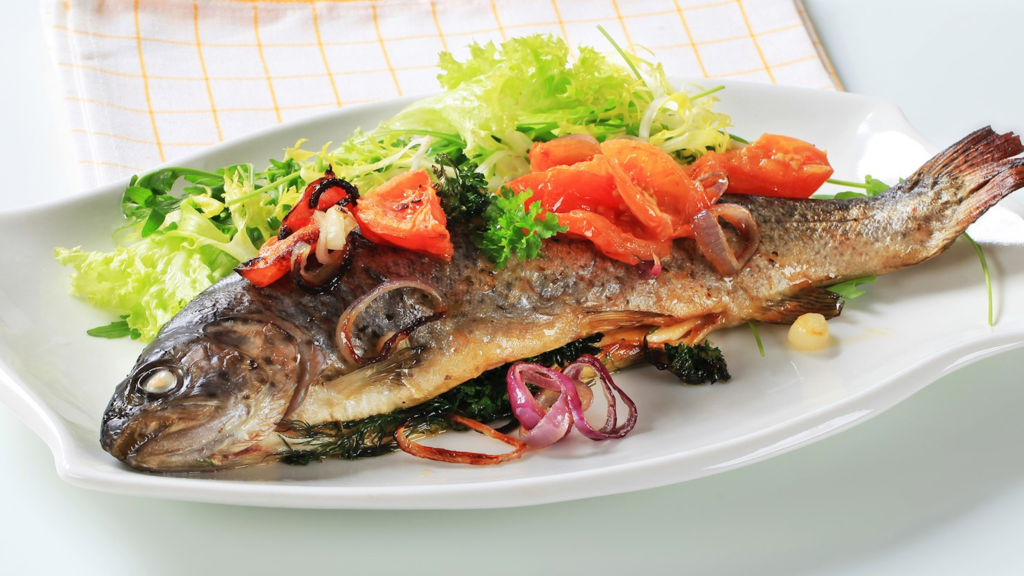
- Freshwater fish such as pejerrey and surubí are grilled, fried, or baked
- Coastal regions favor seafood stews featuring mariscos
Image suggestion: Empanadas de Vigilia served during Holy Week
Alt text: Traditional Argentinian meatless empanadas prepared for Semana Santa
Desserts and Sweet Treats for Semana Santa
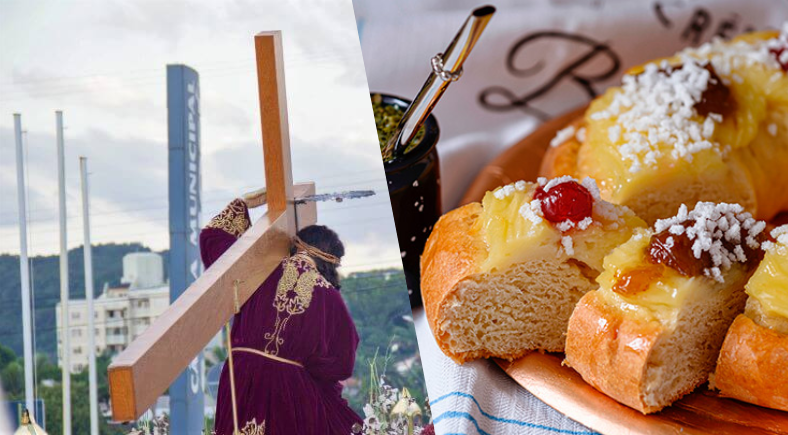
Rosca de Pascua
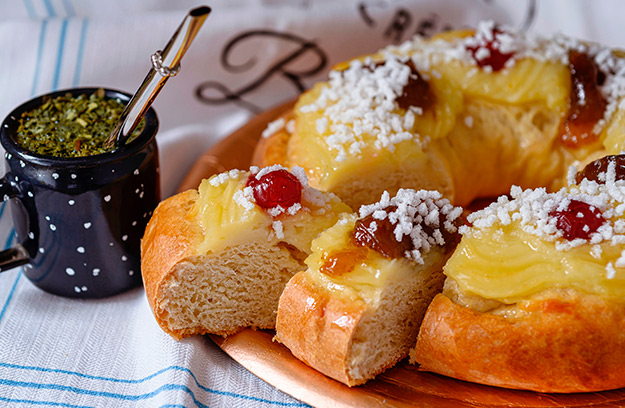
- A sweet, ring-shaped bread decorated with pastry cream, cherries, and sprinkles
- Sometimes filled with custard or dulce de leche
Torrijas
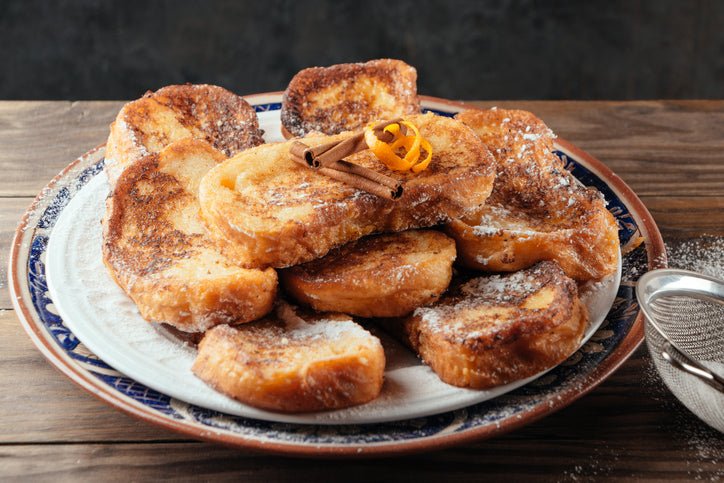
- Bread slices soaked in milk and egg, then fried and sprinkled with sugar and cinnamon
- Argentina’s version of French toast is traditionally eaten during Holy Week
Chocolate Easter Eggs
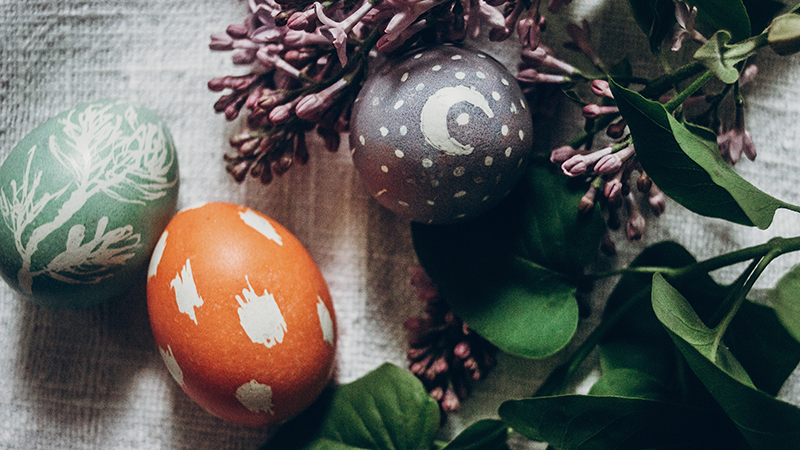
- Gifted to children on Easter Sunday
- Available homemade or from chocolaterías across the country
Unique Regional Food Traditions During Semana Santa
Northern Argentina
- Strong indigenous culinary influences
- Frequent use of humitas, tamales, and Andean corn-based dishes
Patagonia
- Focus on seafood such as trout and king crab
- Easter Sunday meals often include grilled lamb, known as cordero patagónico
Buenos Aires and the Pampas
- Strong Italian influence
- Meatless pasta dishes are common
- Sweet breads and pastries dominate Easter tables
How Semana Santa Food Traditions Reflect Argentine Identity
Semana Santa food traditions in Argentina reflect three major influences:
- Catholic religious customs brought by Spanish colonization
- Indigenous ingredients such as corn, squash, and legumes
- Italian culinary traditions introduced by immigrants
This combination explains why Semana Santa tables can include both humita en chala and rosca de Pascua, alongside pasta dishes and fish-based meals.
How Semana Santa Meals Are Organized
Maundy Thursday (Jueves Santo)
- Family gatherings begin with simple meals such as pasta, fish, or empanadas
Good Friday (Viernes Santo)
- Strict observance with no red meat
- Fish and vegetarian dishes are the main focus
Holy Saturday (Sábado de Gloria)
- Lighter meals in anticipation of Easter Sunday
Easter Sunday (Domingo de Pascua)
- More festive meals
- Lamb roasts, asado, and abundant desserts are common
When Semana Santa Food Is Most Strictly Observed
Food traditions during Holy Week are not followed equally on all days.
- Good Friday is the most strictly observed day, with widespread avoidance of red meat
- Maundy Thursday and Holy Saturday often feature simpler meals
- Easter Sunday marks a return to celebratory foods, including lamb and asado
Popular Beverages During Semana Santa
Mate
- Shared throughout the day as families gather
Wine
- Local Malbec or Torrontés paired with Easter lunches
Limonada Casera
- Homemade lemonade served alongside fish dishes
FAQs
Why Is Meat Avoided During Semana Santa?
Following Catholic tradition, abstaining from meat is a form of sacrifice and remembrance of Jesus’ crucifixion.
Can You Eat Asado During Semana Santa?
Asado is avoided on Good Friday, but Easter Sunday often features a celebratory asado.
What Are the Must-Try Semana Santa Dishes?
Empanadas de vigilia, rosca de Pascua, torrijas, and grilled fish are considered essential Holy Week foods.
Semana Santa food in Argentina is not just seasonal cuisine. It is a reflection of faith, regional diversity, and cultural continuity that shapes how families eat, gather, and celebrate throughout Holy Week.
Conclusion
Semana Santa in Argentina is a beautiful blend of faith, food, and family, reflected through its rich and diverse culinary traditions.
Whether you are savoring a flaky empanada de vigilia, sharing a rosca de Pascua with loved ones, or gathering for Easter Sunday’s big meal, every bite tells a story of heritage, devotion, and togetherness.