Mexican Adobo: The Wet Chile Paste, Not the Jar of Salt
A marinade of rehydrated dried chiles with vinegar, garlic and spices. What separates it from the dry Caribbean blend sold under the same name, and how to make it.
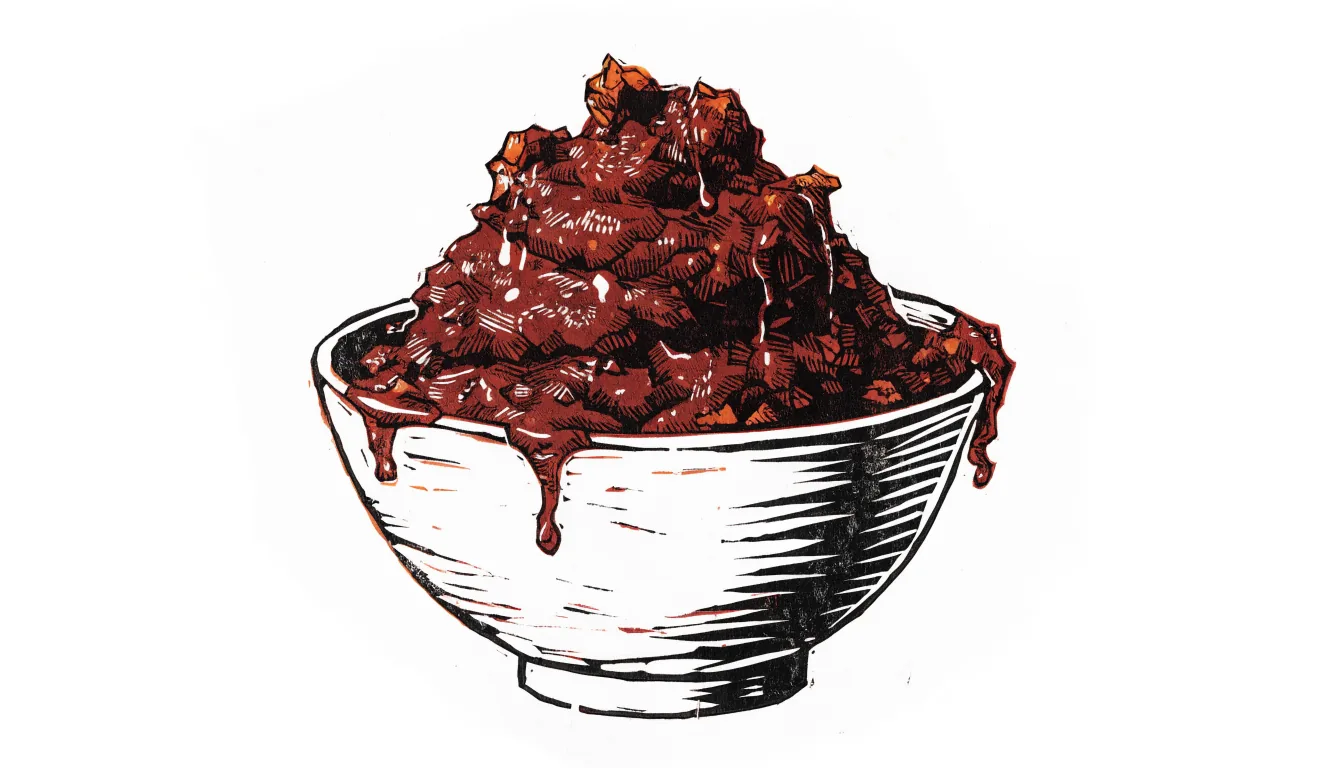
Mexican adobo is a wet paste of rehydrated dried chiles blended with vinegar, garlic, oregano and spices, used to marinate meat before cooking.
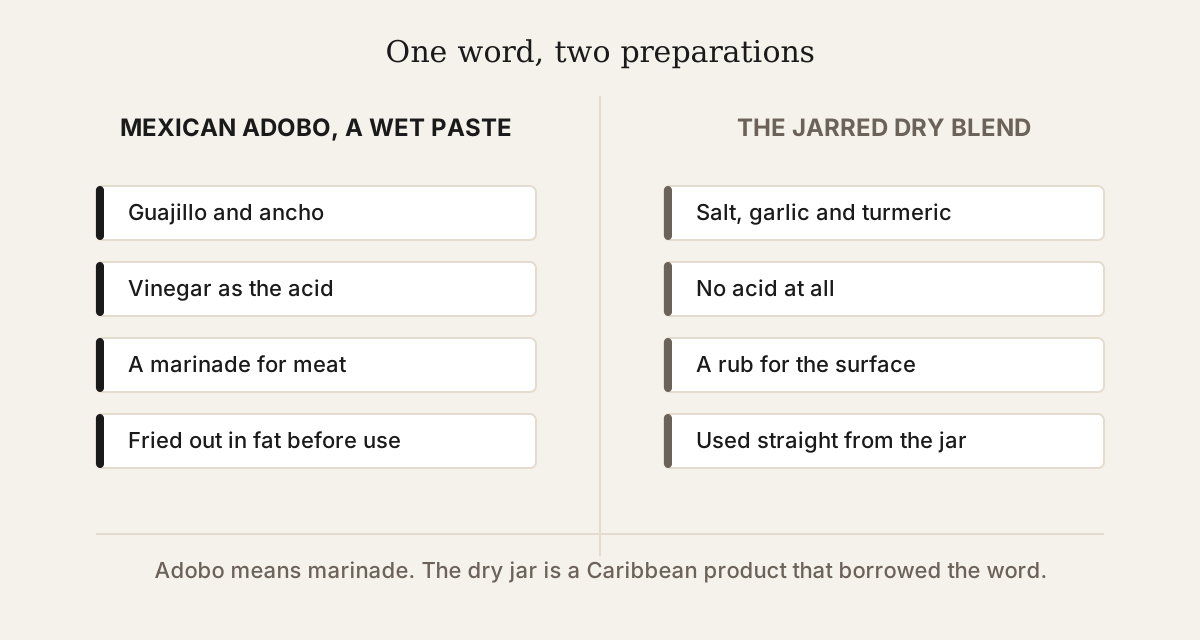
It is not the dry seasoned salt sold in a jar as adobo, which is a Caribbean commercial product sharing the word. The two are different preparations and neither substitutes for the other.
Coverage of Mexican preparations on this site is researched rather than first-hand, written from published sources and supplier documentation.
What is in it
Mexican adobo is built on dried chiles and an acid, with garlic and oregano underneath.
Guajillo and ancho are the usual chiles, guajillo for brightness and ancho for depth and sweetness.
Vinegar is the standard acid, and citrus appears in regional versions.
Garlic is used generously and is the aromatic that carries the paste.
Mexican oregano, Lippia graveolens, not the Mediterranean plant.
Cumin, black pepper, clove and cinnamon appear in varying combinations and are where regional and household versions diverge.
Salt, and sometimes a little sugar or piloncillo, balance the vinegar.
Why the acid matters
The vinegar is what makes an adobo an adobo rather than a chile purée.
Adobo means marinade in general Spanish, and the word describes what the preparation does rather than what is in it.
The acid preserves, which is the historical reason the preparation exists. Meat held in adobo keeps longer than meat that is not.
It also tenderises and carries the chile flavour into the meat rather than leaving it on the surface.
A chile paste without acid is a different thing, closer to a mole base or a salsa, and it will not do the work adobo does.
Making it
Toast and rehydrate the chiles, blend with vinegar, garlic and spices, then cook the paste out before using it.
Toast the chiles briefly on a dry comal until they smell fragrant, a few seconds a side. Burning them makes the adobo bitter and it happens fast.
Rehydrate in hot water for twenty minutes and keep some of the soaking liquid.
Blend with vinegar, garlic, oregano and spices until smooth, using soaking liquid to loosen it.
Strain it if you want a fine paste, since chile skins do not always break down completely.
Fry the paste out in fat before use, which is covered in its own section below.
Cool before marinating. Applying hot paste to raw meat is both a food safety issue and bad for texture.
How it is used
Adobo coats meat and rests for hours before roasting, grilling or braising.
Pork is the classic, in adobada and in the marinade for al pastor.
Chicken takes it well and needs less time, two to four hours.
Fish takes it briefly, thirty minutes at most, or the acid begins to cook the flesh.
Overnight is normal for pork shoulder and improves it.
Wipe excess off before grilling. A thick coat of chile paste burns before the meat is done.
The regional versions
Adobo is not one formula, and the regional versions differ in chile, acid and what else goes in.
Central Mexican adobo leans on guajillo and ancho with vinegar, and is the version most recipes outside Mexico describe.
Adobo for al pastor adds achiote, which is what gives the meat on the trompo its colour, and the pineapple is a separate element rather than part of the paste.
Oaxacan versions frequently carry more spice, with clove and cinnamon more prominent.
Northern versions are simpler and more chile-forward, with fewer sweet spices.
Yucatecan cooking uses recado rather than adobo for the same job, which is a genuine regional substitution rather than two names for one paste.
None of these is the correct one. The variation is the normal condition of a preparation this widespread.
Frying the paste, the step most recipes skip
Mexican adobo is fried in hot fat before any liquid joins it, and skipping that step is the most common reason a homemade adobo tastes raw and thin.
The paste goes into hot lard or oil and is cooked down. It spits, darkens and thickens, and the smell changes from sharp and vegetal to round and sweet.
This is what Mexican kitchens mean by sazonar. The word is usually translated as season, and in this context it names a specific cooking stage rather than an act of adding salt.
It is finished when the fat separates. Oil beading at the edges of the paste is the visible signal, the same test used for a Peruvian aderezo, and it means the water has cooked off and the paste is concentrated.
Blended and unfried adobo tastes of raw garlic and raw chile skin. No amount of simmering afterwards fully corrects it, because the transformation depends on frying in fat rather than boiling in liquid.
A jarred adobo usually still needs this. Most commercial pastes are sold unfried, so the step belongs at the start of your cooking rather than being something the manufacturer did for you.
Judging a bought one
A good jarred adobo lists chiles first, smells of toasted chile rather than vinegar, and is thick enough to coat.
Chiles should head the ingredient list. Salt or water first means a diluted product.
Named chiles are better than chile powder on a label, for the same reason they are in mole paste.
Smell it. A jar that reads as mostly vinegar has been formulated for shelf life rather than for flavour.
Consistency should be spreadable, not pourable. A thin adobo will run off meat rather than coating it.
Colour is a poor guide. Adobo ranges from brick red to dark brown depending on the chiles and whether achiote is present.
Buying it
Prepared Mexican adobo is sold by Mexican importers in jars and tubs, and it is less widely exported than mole paste or recado rojo.
Checked on 13 August 2026, a United States search for the term returned a mixture of the Mexican preparation, the dry Caribbean blend and Filipino adobo recipes on the first page. Counting rule: a result counts as a seller when it offers a Mexican-style wet adobo paste for purchase. Sellers were present on that rule and were outnumbered by results for the other two senses, which describes that search on that date and is not a recommendation of any seller.
Search on adobo adobada or chile adobo to separate it from the other senses of the word.
Read the ingredient panel to confirm chiles come first rather than salt.
Homemade is genuinely easy here, more so than mole, and the ingredients are widely available.
Storage
Refrigerated, a cooked adobo paste keeps two to three weeks, and it freezes well.
The vinegar and salt are preservative, which is the whole point of the preparation.
Cook it out before storing. An uncooked blend keeps less well and tastes raw.
Freeze in portions sized to one marinade.
A layer of oil on top slows oxidation in the refrigerator.
Frequently asked questions
Is Mexican adobo the same as the adobo in a jar?
No. Mexican adobo is a wet paste of rehydrated dried chiles with vinegar, garlic and spices. The jarred adobo sold in American supermarkets is a dry, salt-heavy blend of garlic powder, oregano and turmeric, from the Caribbean commercial tradition. They share a Spanish word meaning marinade and nothing else, and neither works as a substitute for the other.
Is Mexican adobo the same as Filipino adobo?
No. Filipino adobo is a cooking method, meat braised in vinegar, soy sauce, garlic and bay, and it contains no chile paste. The shared name comes from Spanish colonial contact in both places, applied to two different things that both involve vinegar.
Which chiles should I use?
Guajillo and ancho in combination are the most common and most forgiving choice, guajillo for brightness and ancho for depth. Adding a chile de árbol or a morita brings heat or smoke respectively. Pasilla can stand in for ancho with a slightly more bitter result.
Do I have to fry the paste?
It makes a real difference. Frying the blended paste in a little fat for five to ten minutes cooks out the raw garlic and raw chile flavour and deepens the whole thing. An unfried adobo tastes sharp and thin by comparison, and this is the step most often left out of shortened recipes.
How long should meat marinate?
Pork shoulder benefits from overnight, chicken from two to four hours, and fish from no more than thirty minutes. The acid keeps working the whole time, so fish left in adobo for hours ends up with the texture of ceviche rather than of grilled fish.
The pairing
“El Rey”, José Alfredo Jiménez, 1971, Mexico.
Regional. Written by the composer most identified with the Mexican ranchera, from the country where adobo means a chile paste and nothing else.
We write about seasoning preparations across Latin America, what separates the regional variants, and where to buy them in the United States.