The Base
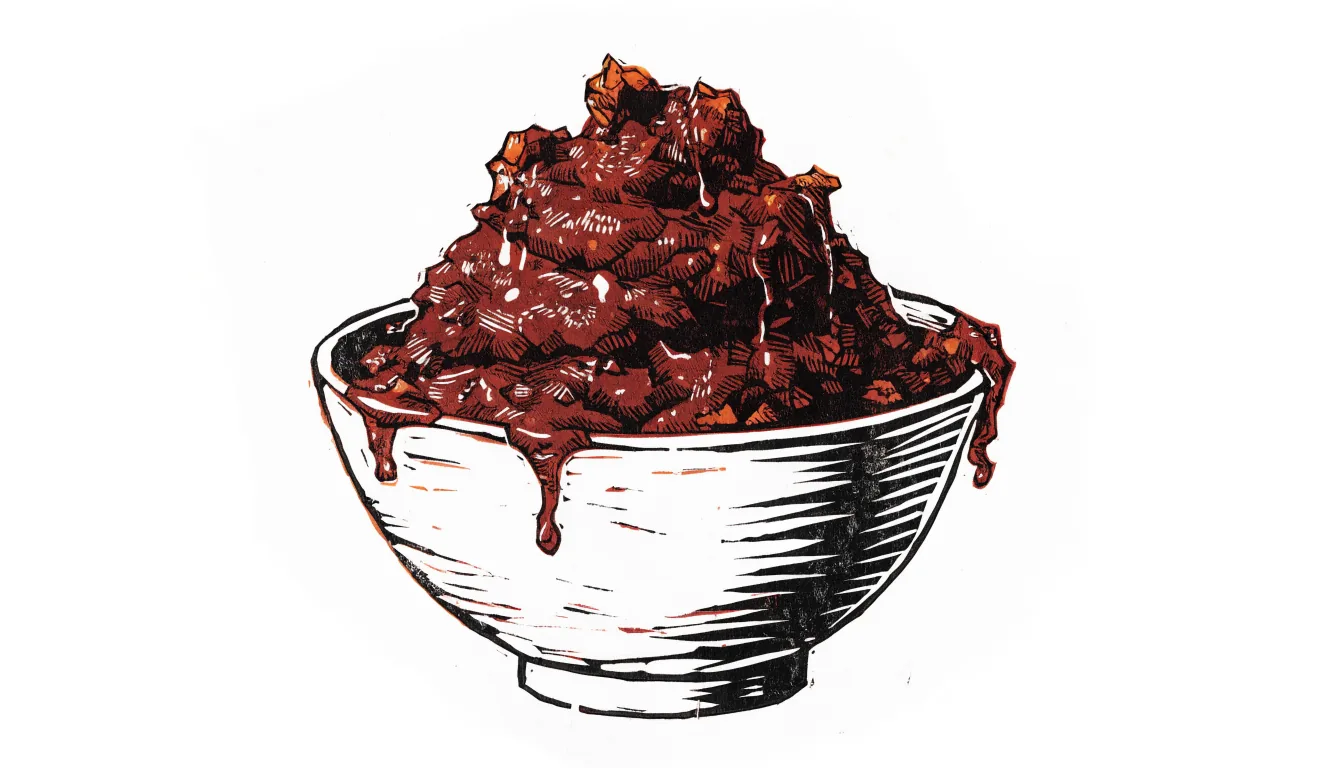
Mexican Adobo: The Wet Chile Paste, Not the Jar of Salt
A marinade of rehydrated dried chiles with vinegar, garlic and spices. What separates it from the dry Caribbean blend sold under the same name, and how to make it.
Aromatics cooked in fat at the start, with the dish built on top. Hogao, aderezo, refrito, sofrito.
A marinade of rehydrated dried chiles with vinegar, garlic and spices. What separates it from the dry Caribbean blend sold under the same name, and how to make it.
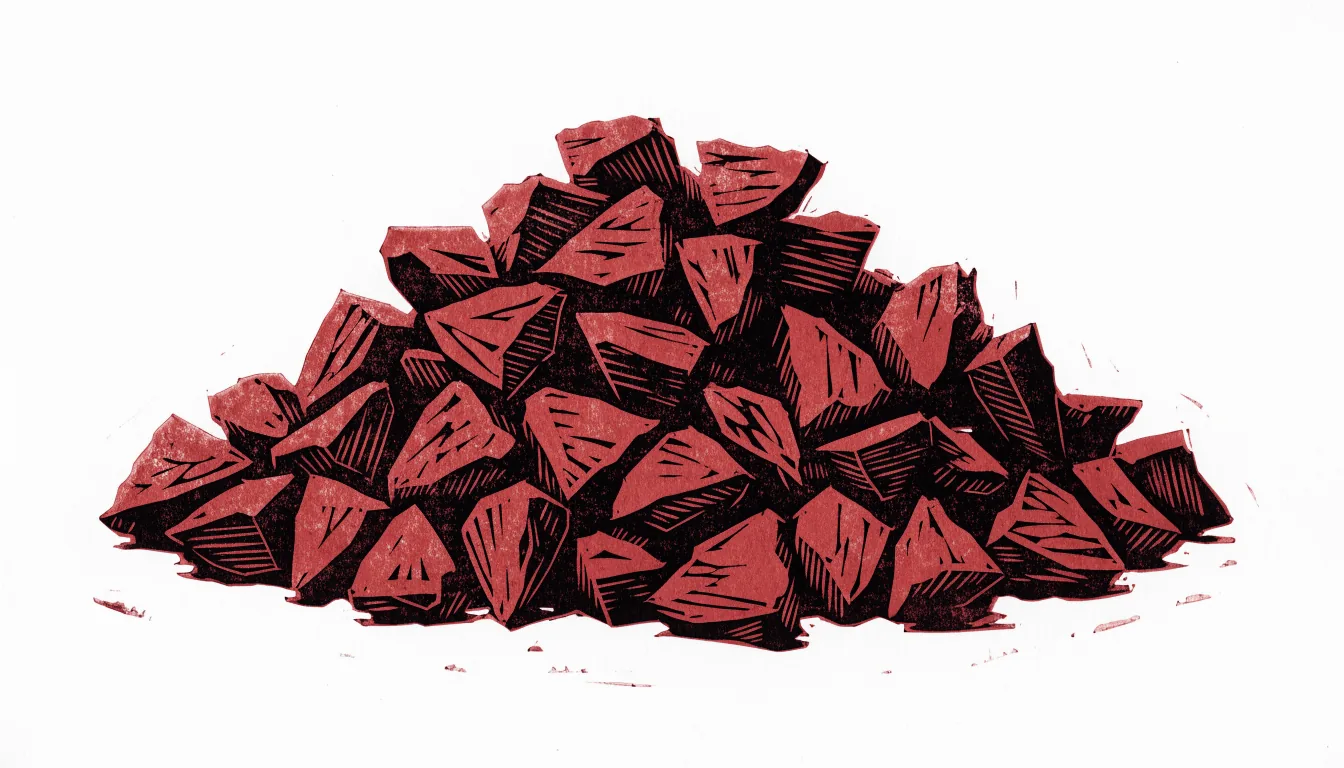
Annatto in its raw form. What the seed does, why water will not extract it, and how to buy and store it.
Fruity rather than merely hot, and orange despite the name. What it tastes of, the forms it is sold in, and why nothing substitutes cleanly.
A habanero relative bred out of its heat, carrying the aroma without the burn. Why it anchors Venezuelan and Caribbean-coast cooking, and what actually substitutes.
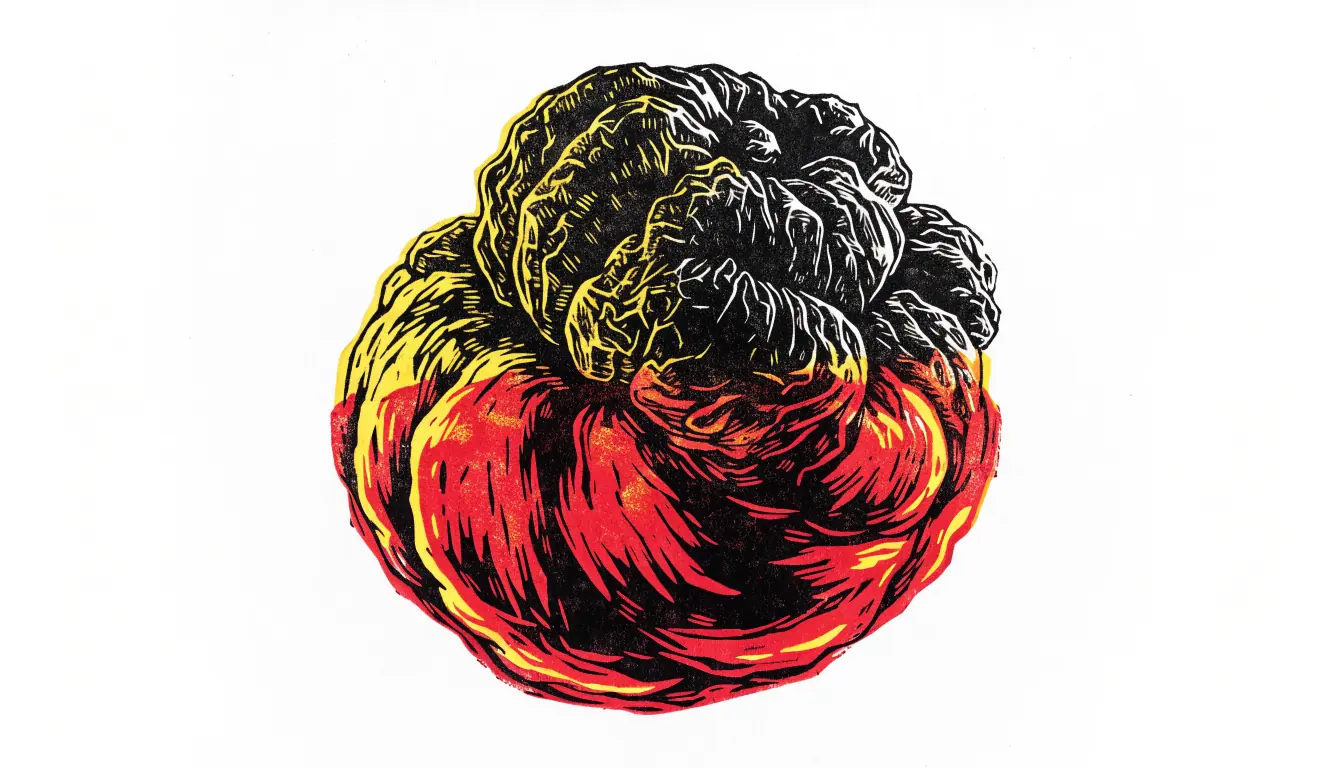
What drying does to the pod, why the two are not interchangeable, and how to rehydrate it properly.
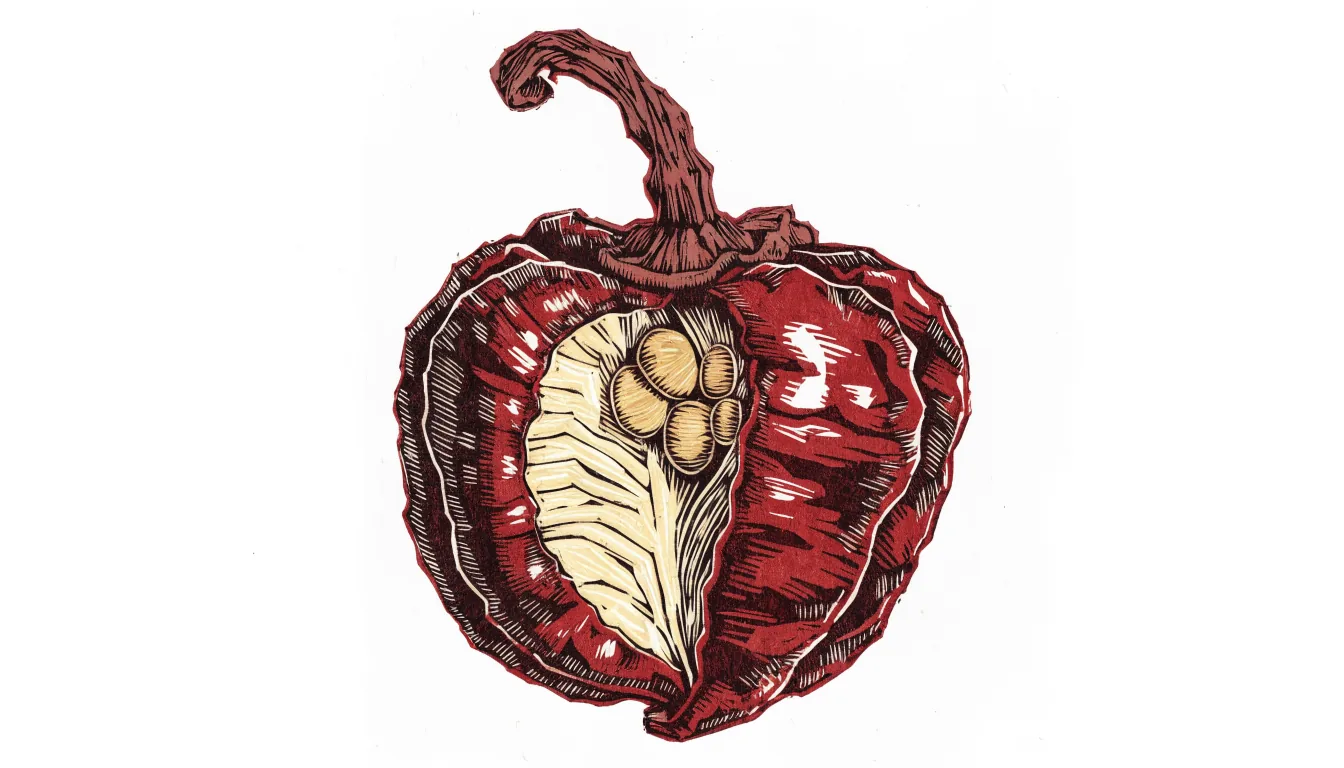
Deep red, smoky and sweet rather than fiery. What it does that ají amarillo cannot, and why it is the pod for anything slow-cooked.
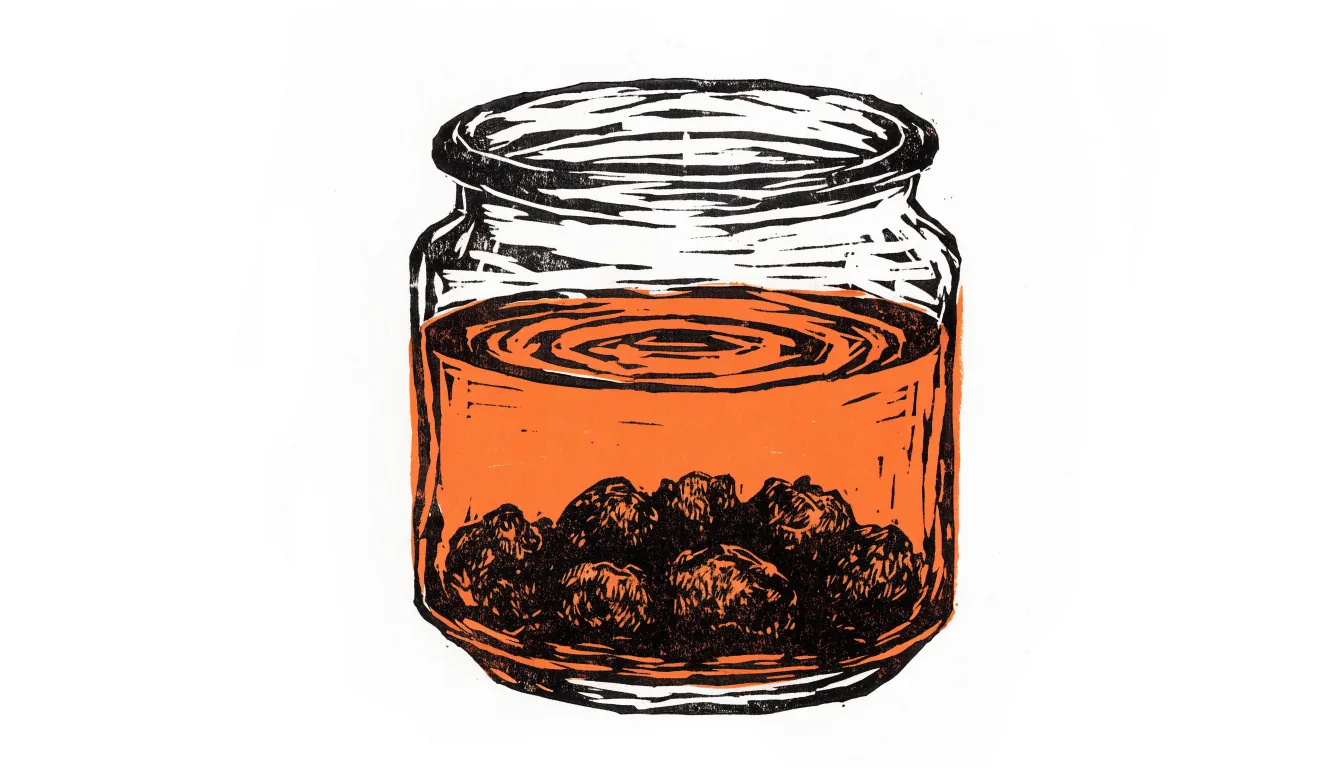
Achiote steeped in warm oil is the step that makes a refrito orange. How to make it, how long it keeps, and why the colour is doing more than decoration.
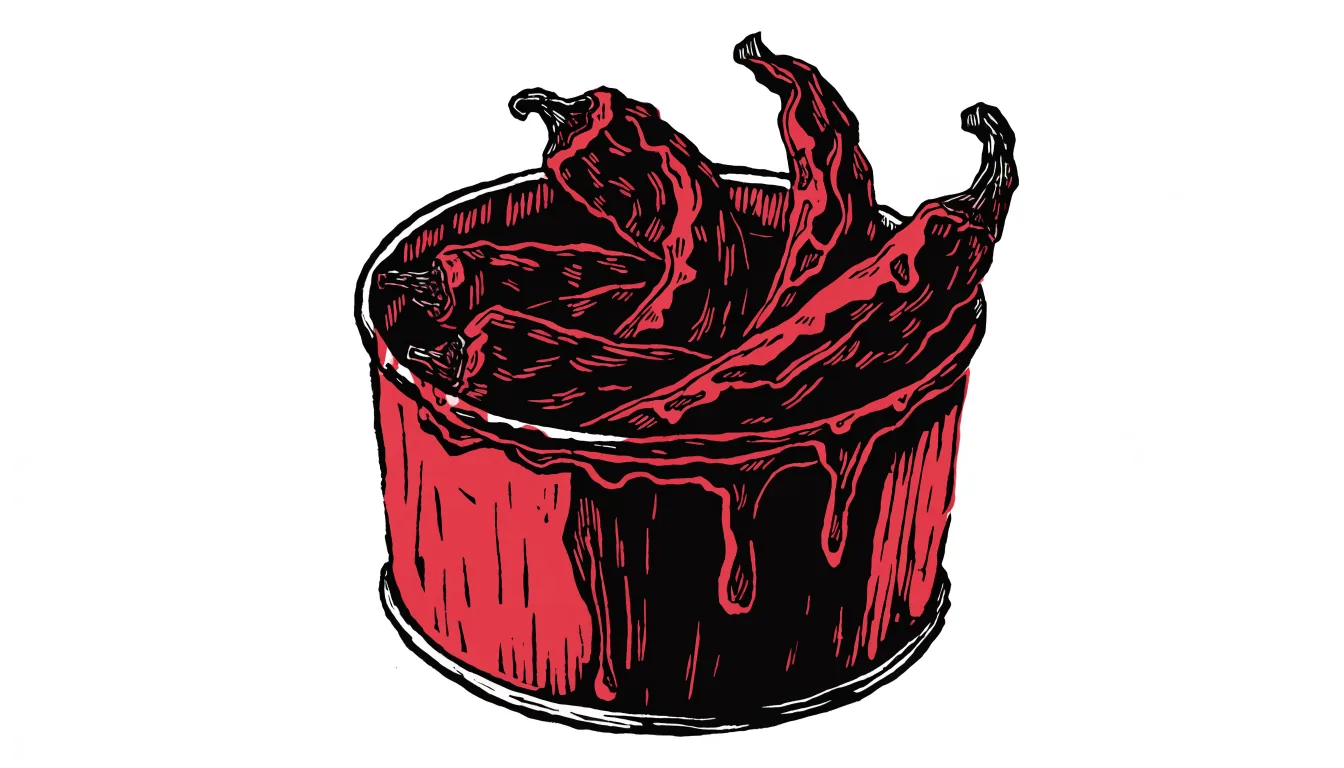
Smoked jalapeños stewed in a vinegar and chile sauce. The two chipotle types, why the sauce matters as much as the chiles, and how to store an opened tin.
Tomato and long onion cooked down in oil. What makes it Colombian rather than generic, how long it actually takes, and how to judge a jarred one.
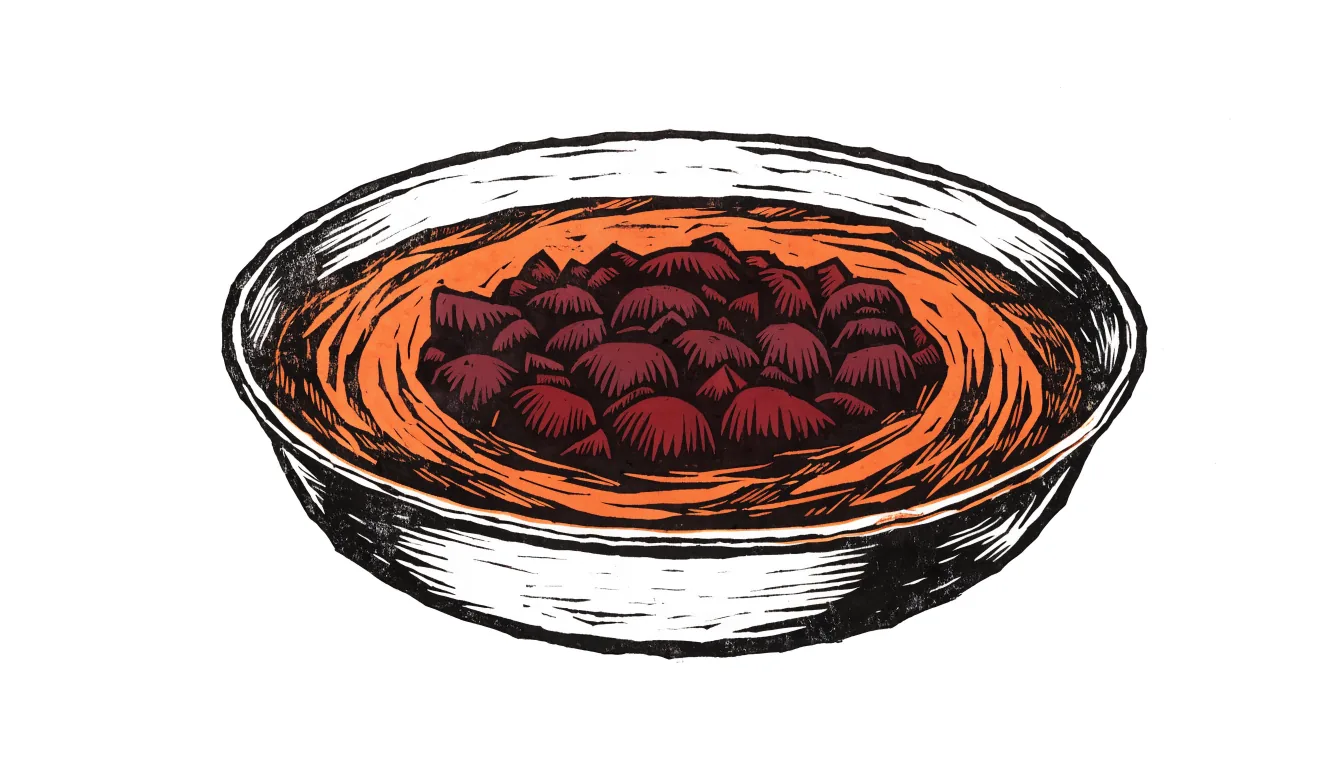
Achiote-tinted oil, onion and tomato with cumin. What the annatto step does, and why it is the one base defined by its fat.
Four names across four countries for the same cooked aromatic base. What actually changes between them, what does not, and why the differences are smaller than the names suggest.
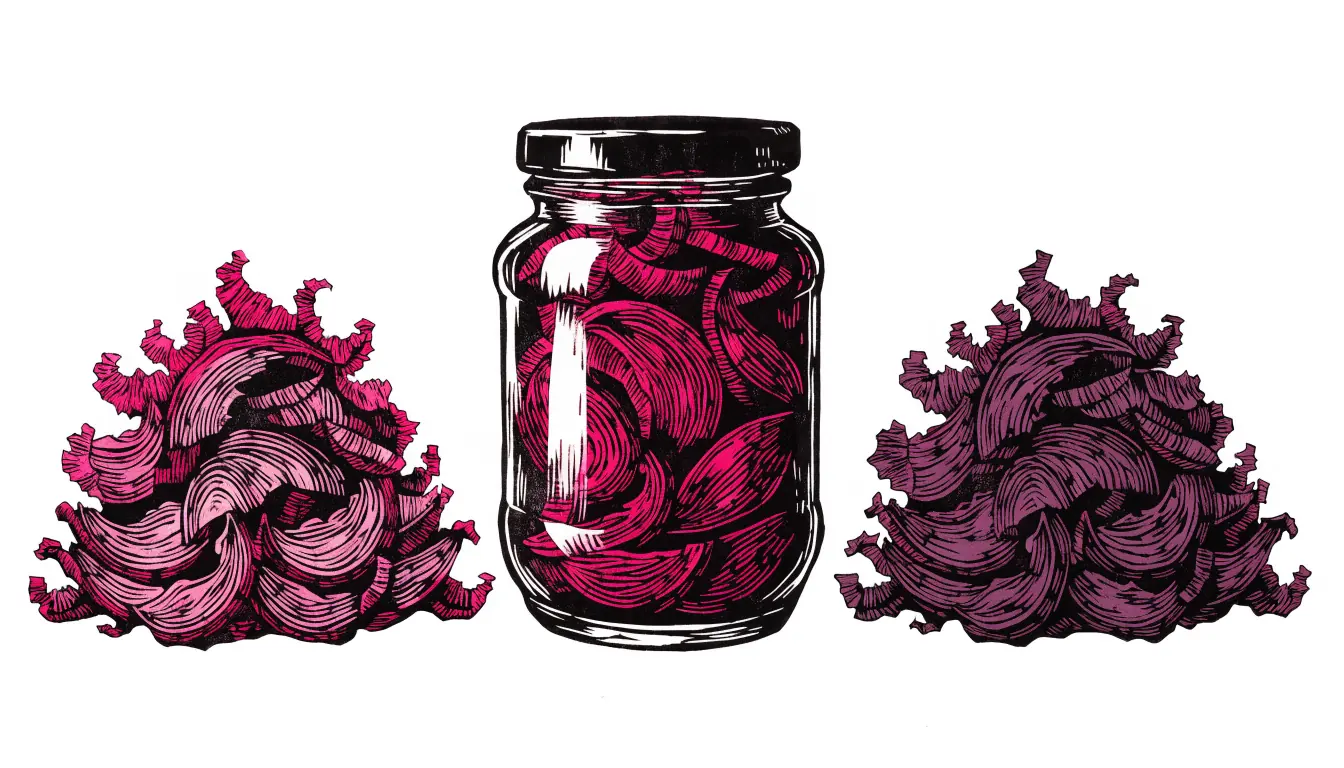
How long each of the three families actually keeps, why a base outlasts a finish by weeks, and what the failure signs are for each.
The method behind hogao, aderezo, refrito and sofrito. What order things go in, how long it actually takes, and the four mistakes that produce a fried mixture instead of a base.
Tomato, onion and fat, cooked down slowly until it stops being two vegetables. The method, the timing, and the four mistakes that produce a sauce instead of a base.
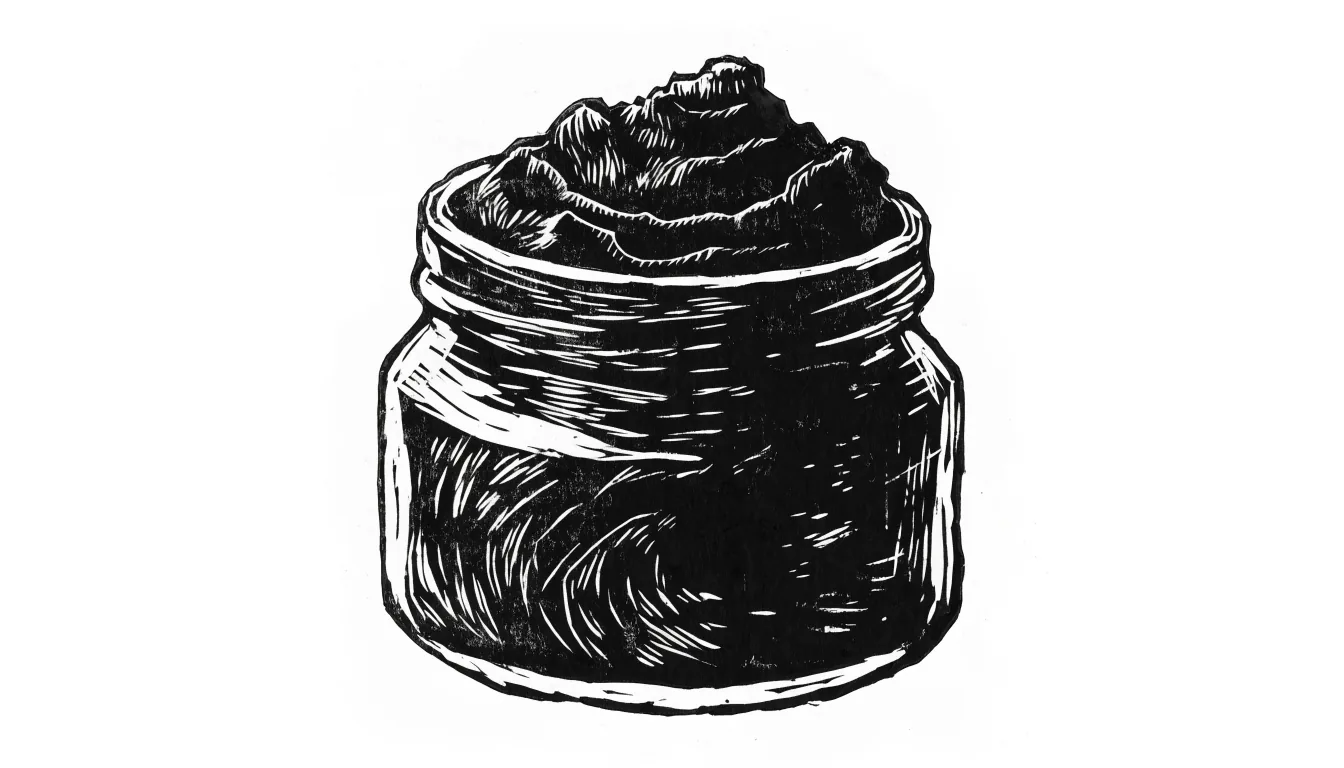
The concentrated base sold in jars and by weight, what separates the main colours, how to thin it, and why a jarred mole is a starting point rather than a finished sauce.
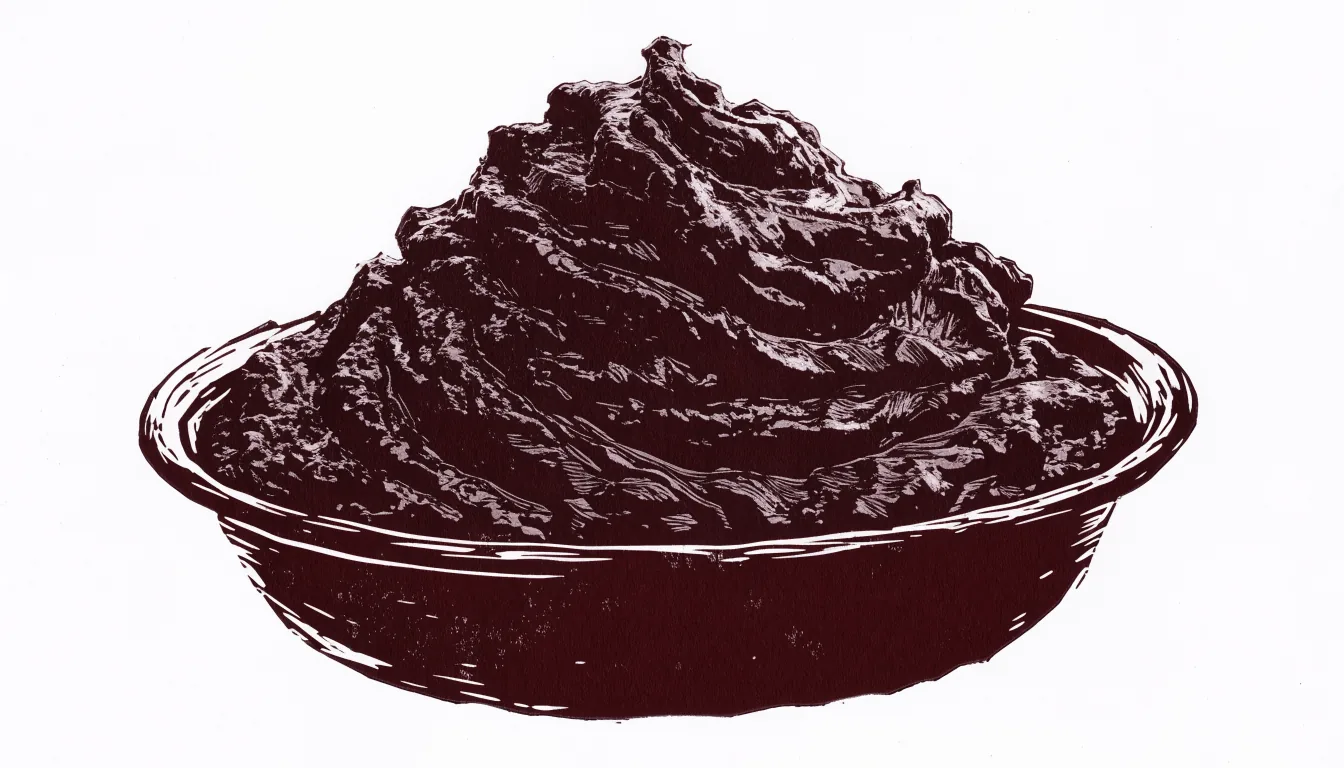
Red onion, garlic and ají paste reduced until dark and thick. Why it is the densest of the four mainland bases, and how far to take it.
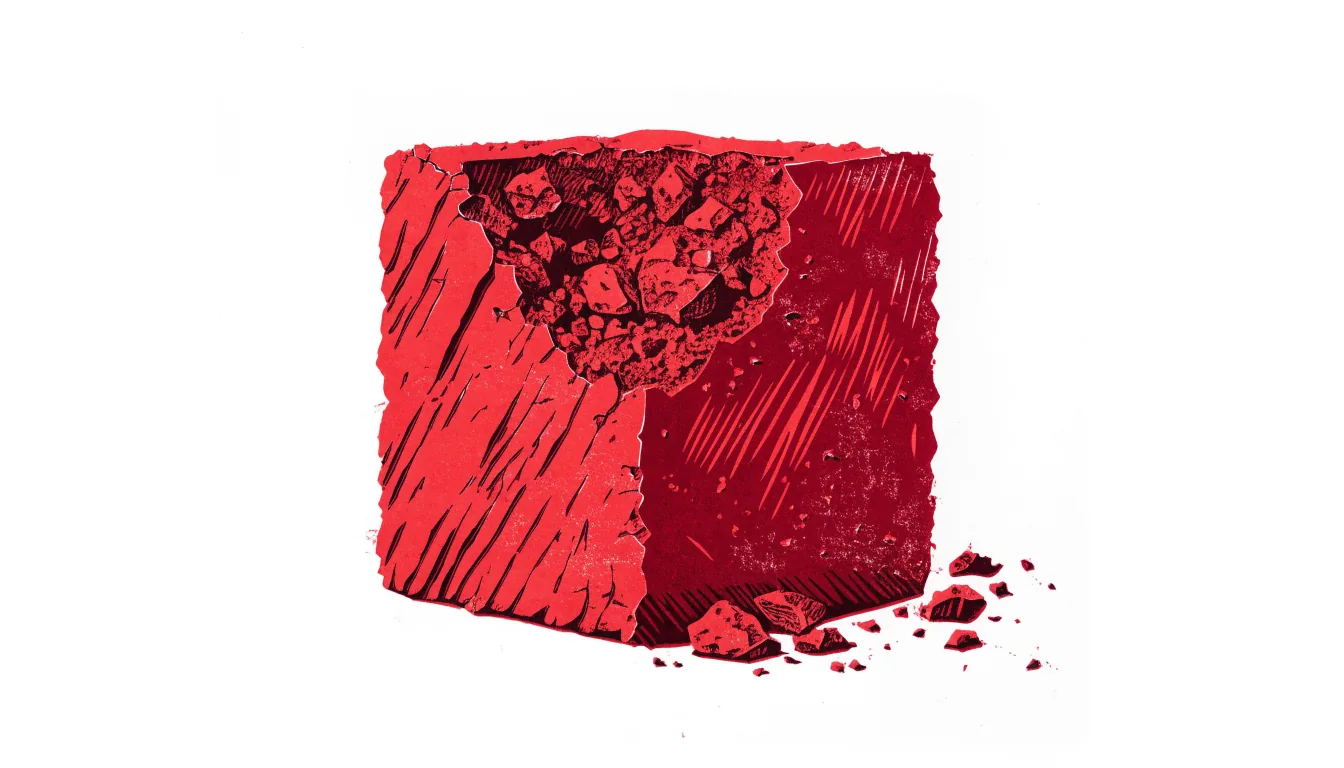
Ground achiote with oregano, cumin, garlic and sour orange. What is in a block, how to use it, and why it is not the same as ground achiote seed.
Bases, finishes and dry blends across South and Central America. What separates the three, why country is an attribute rather than the organising idea, and where to start.
Jarred hogao, sofrito and aderezo are a real shelf-stable category. Where to find them, what the label should say, and when making it is the better call.