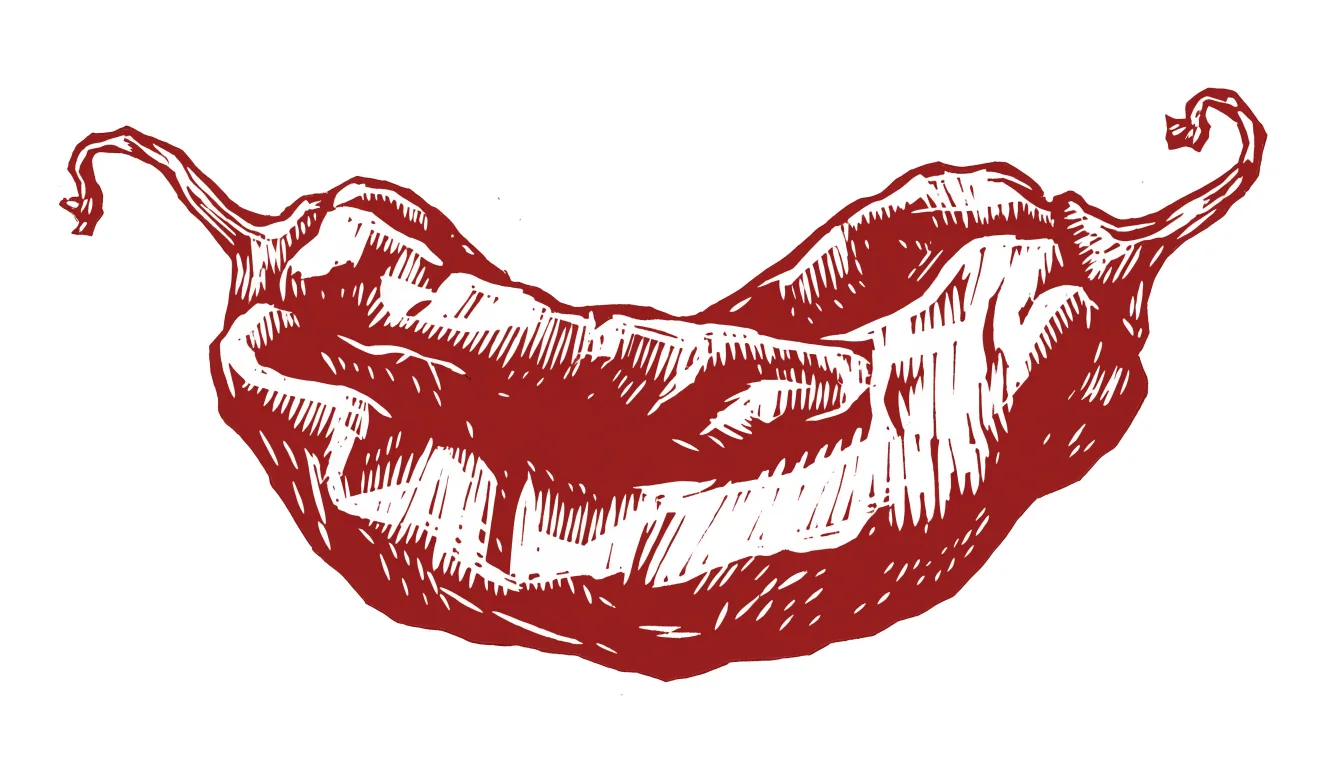
Ingredient
Ancho Chile: The Dried Poblano, and the Backbone of Mole
Sweet, raisin-like and barely hot. What ancho is, how it differs from mulato and pasilla, and how to tell a good one in the bag.
Axis 2. A thing bought and judged on its own, whether or not it has been processed before sale. The dried chiles, the seeds, the barks and the herbs.
Sweet, raisin-like and barely hot. What ancho is, how it differs from mulato and pasilla, and how to tell a good one in the bag.
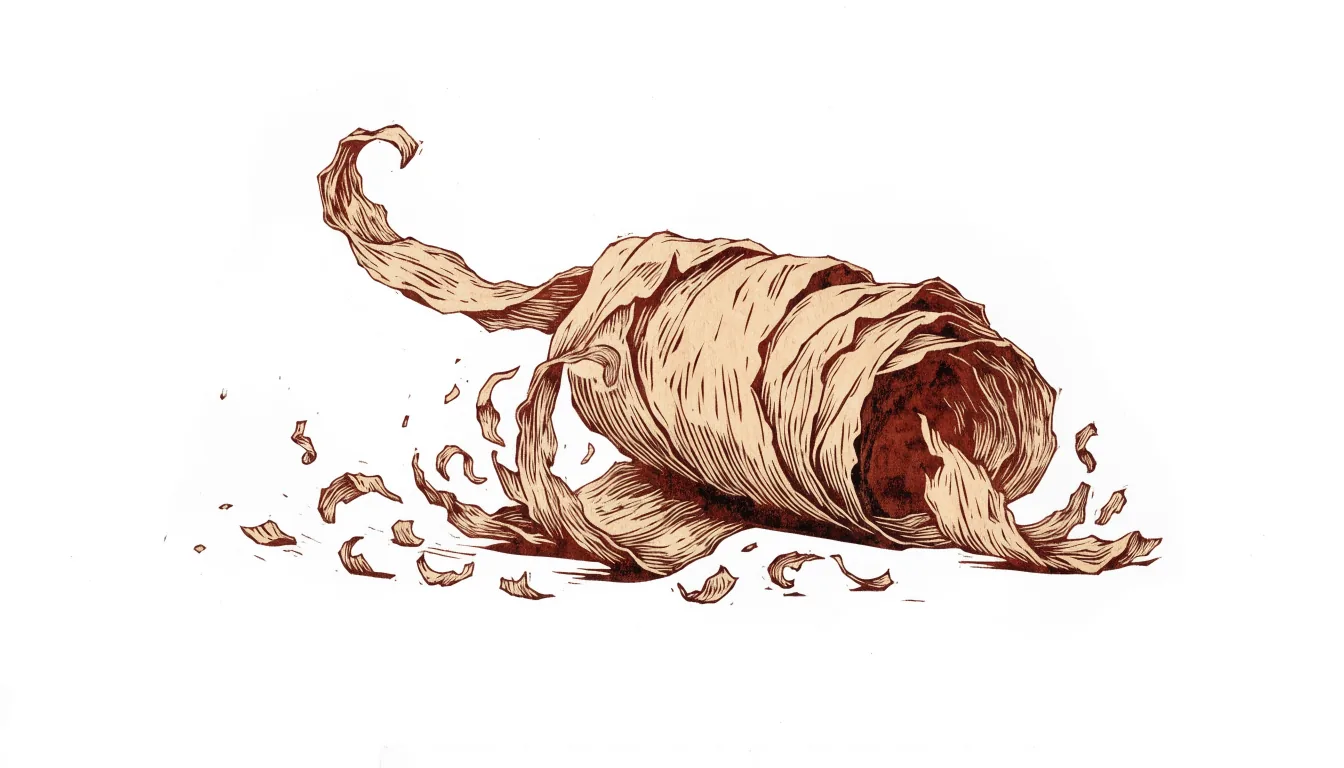
The soft, layered Ceylon cinnamon used across Mexico, and how it differs from the hard cassia sold as cinnamon in the United States.
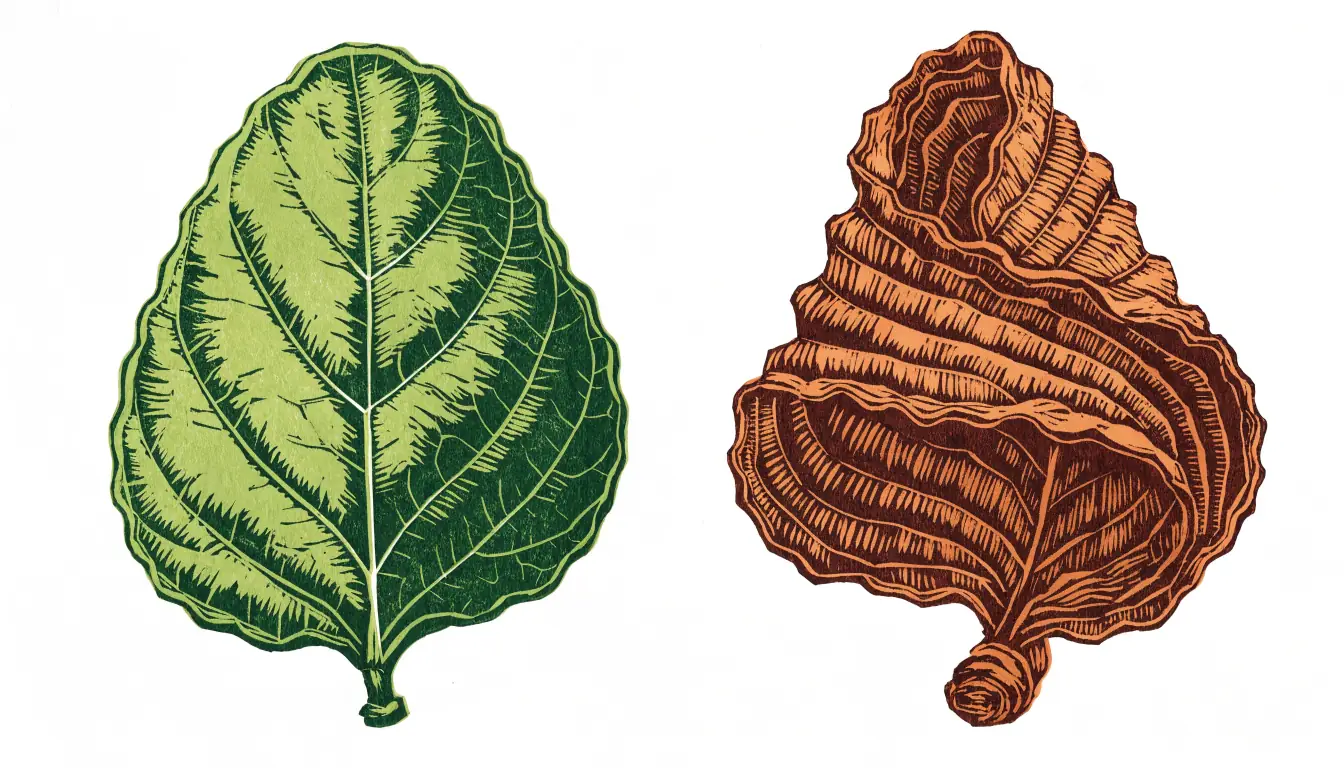
Toasted avocado leaves season beans, barbacoa and tamales across southern Mexico. What they taste of, which variety is used, and why the safety question turns on species.
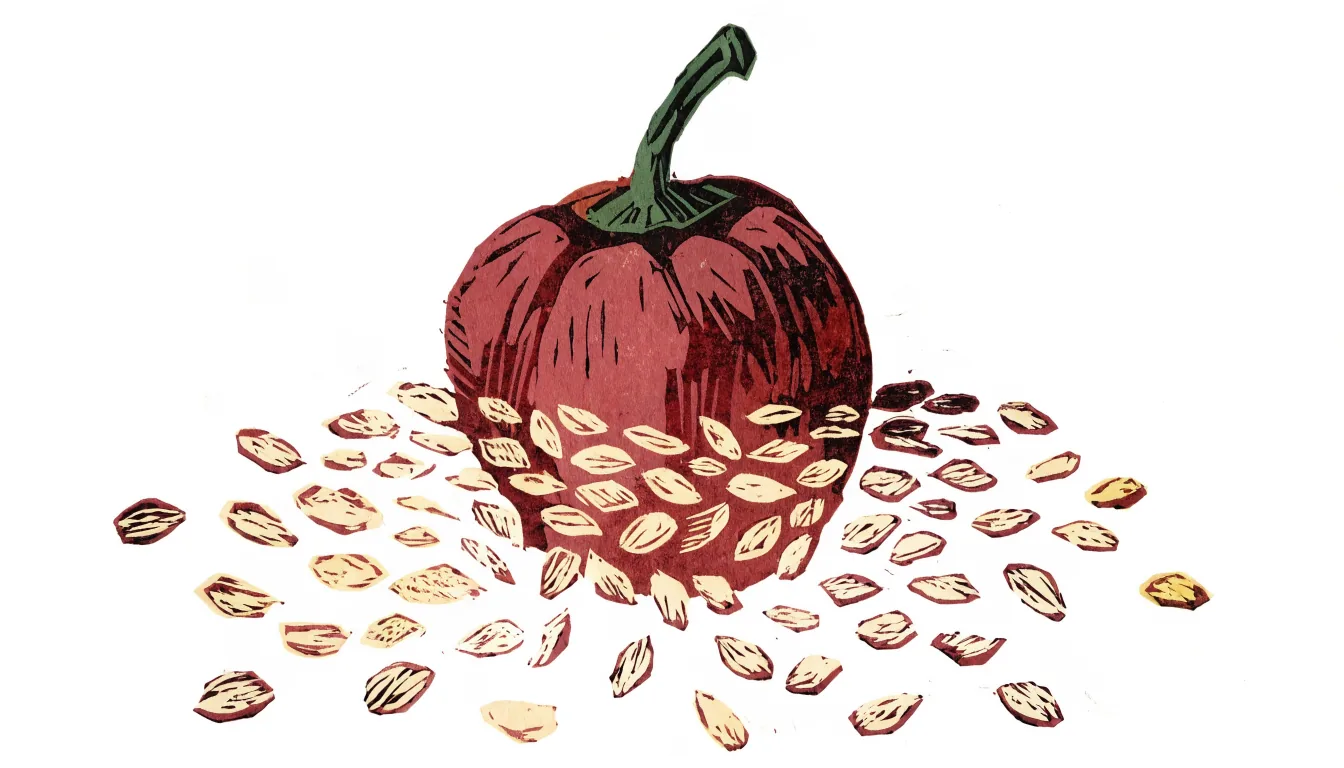
A small round dried chile named for the sound its seeds make. Nutty, woody and moderately hot, and easy to identify because nothing else looks like it.
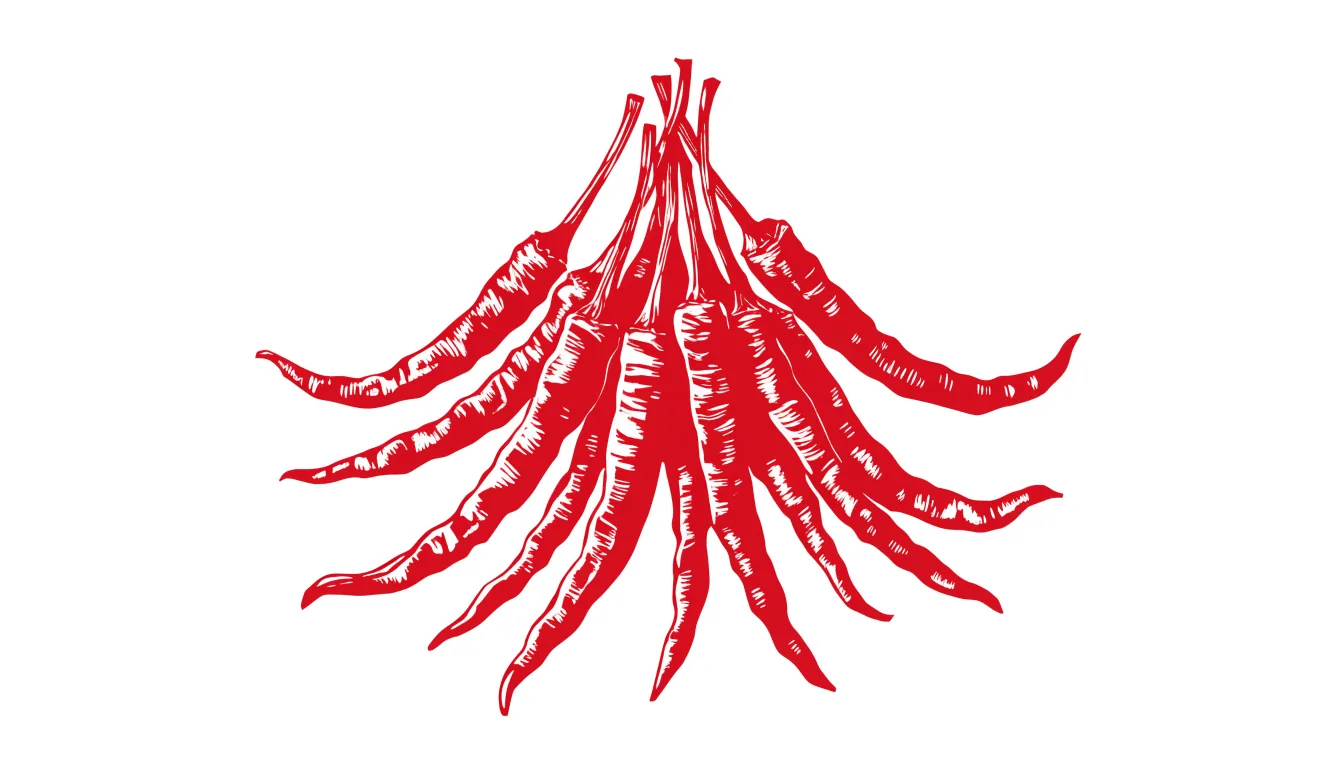
Clean, sharp heat with little sweetness. What chile de árbol is, how hot it actually is, and why it is the standard heat chile in a Mexican kitchen.
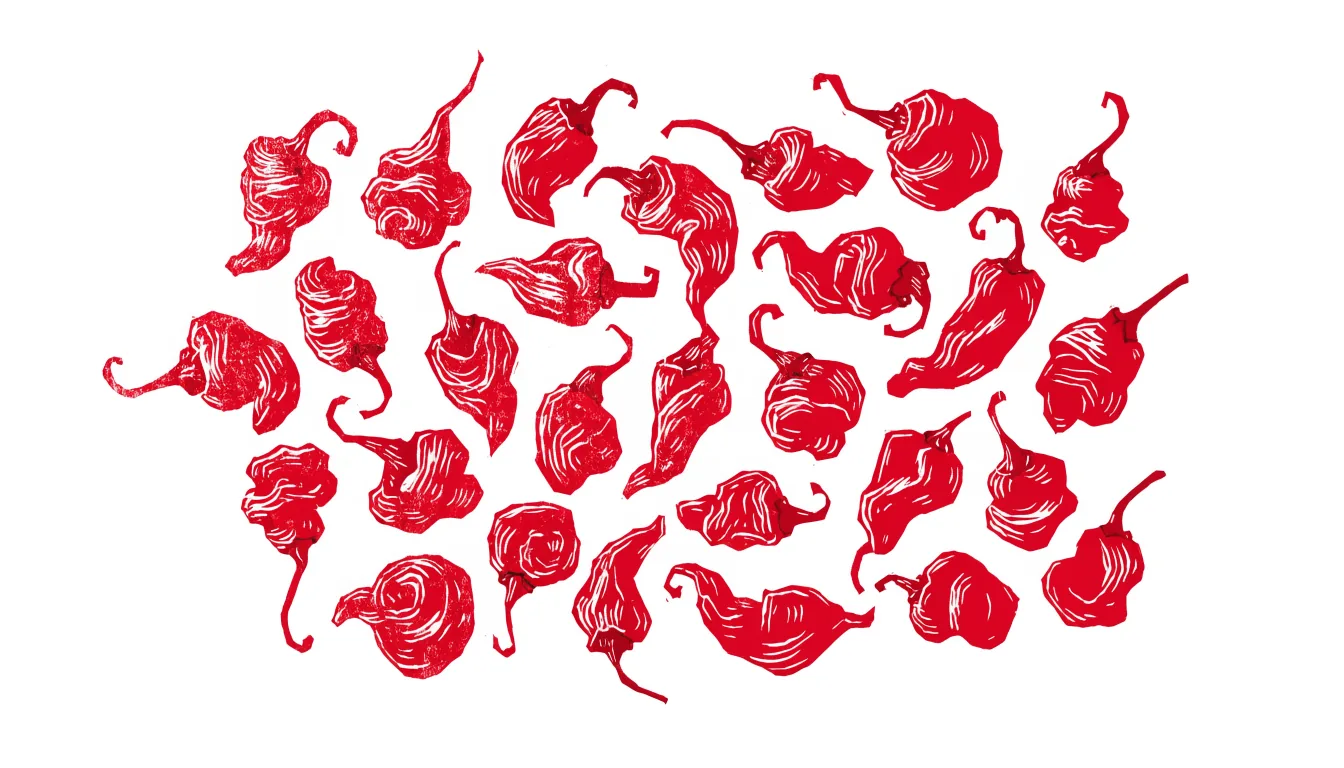
A pea-sized chile that grows wild across northern Mexico and Texas, hot, fruity and fast-fading. What it is, why it is expensive, and how to use it.
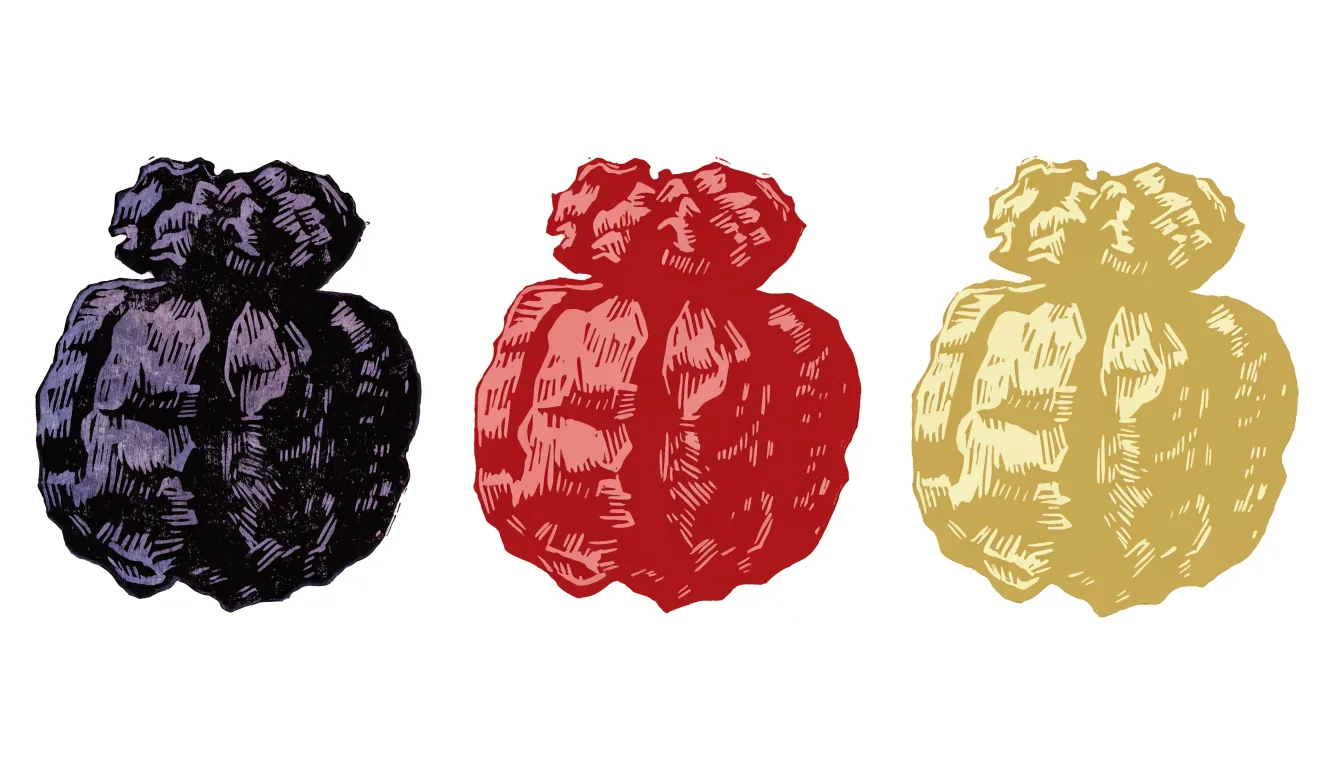
Nearly extinct commercially, grown in one Oaxacan valley, and the chile mole negro is named for. What it is, why it costs what it does, and what to do without it.
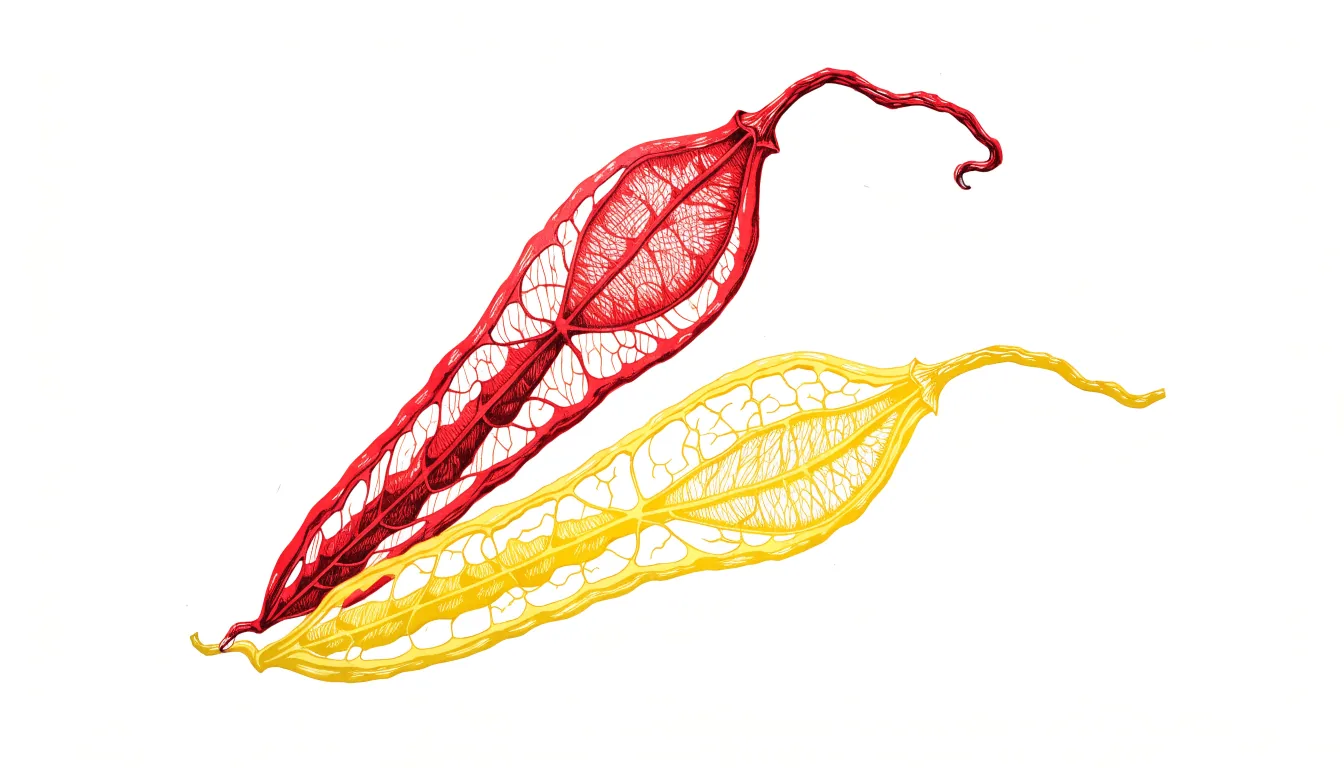
A thin-skinned Oaxacan and Guerrero chile sold as red or yellow, brighter and hotter than guajillo. What each colour does and where to find them.
Pungent, resinous and unlike anything European. What epazote tastes of, why it is paired with beans, and what the safety discussion is actually about.
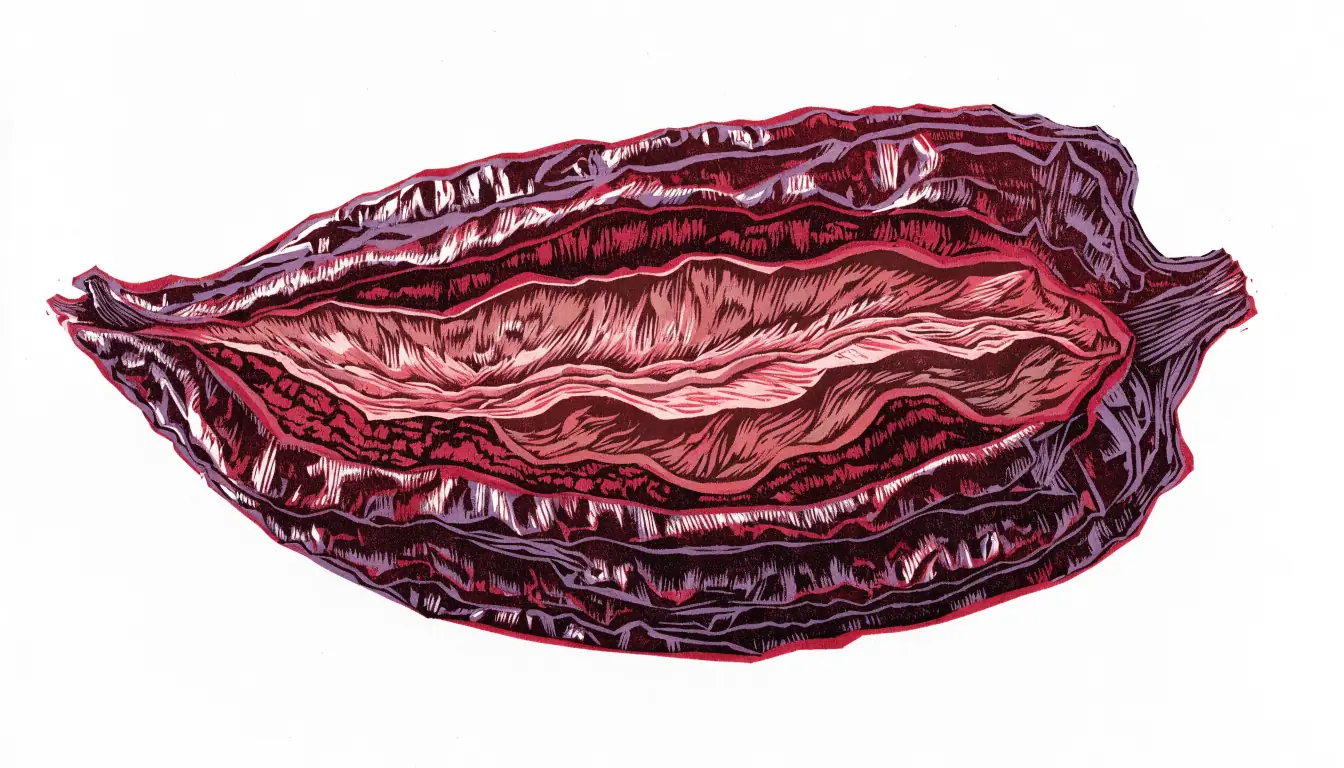
Bright, tangy and mildly hot, with a tough skin that has to be dealt with. What guajillo is, what it does that ancho cannot, and how to get a smooth sauce from it.
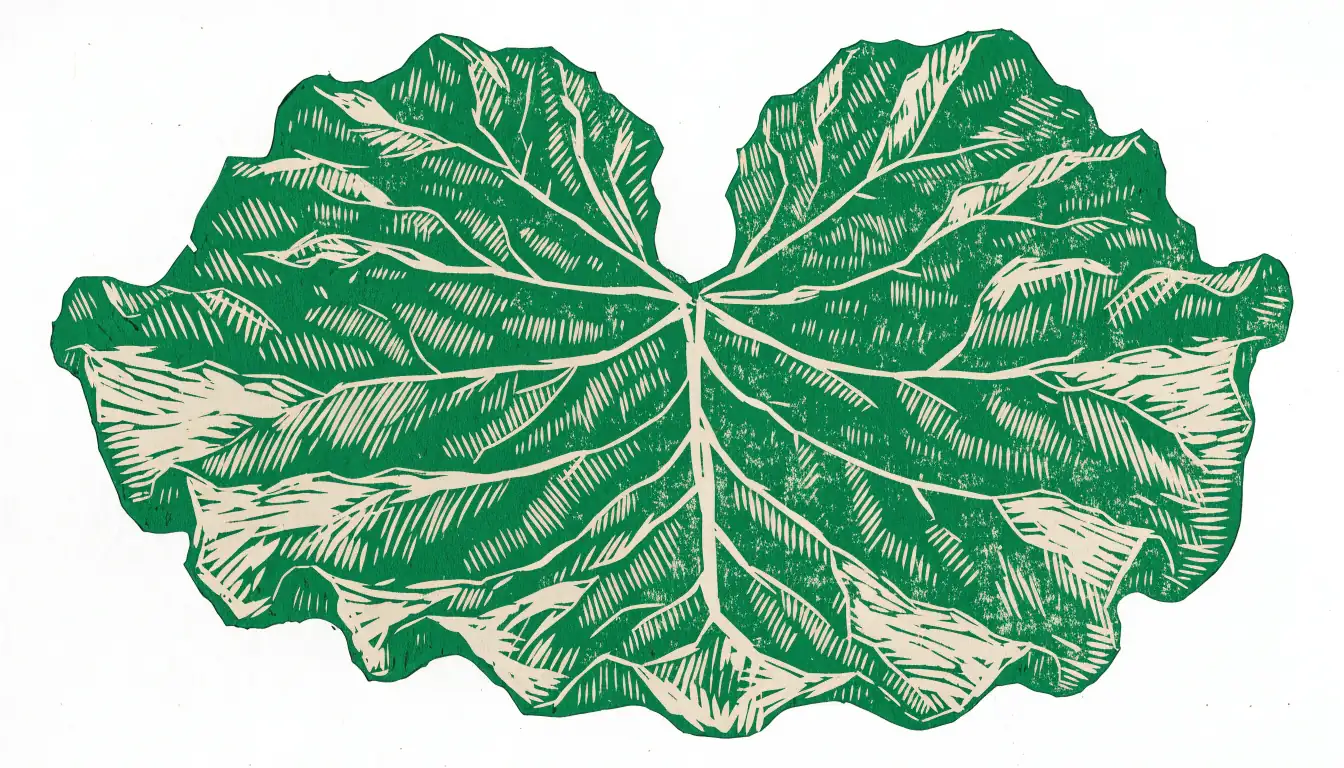
A large heart-shaped leaf used as a wrapper and a seasoning in southern Mexico. What it tastes of, how it is used, and the safrole question stated honestly.
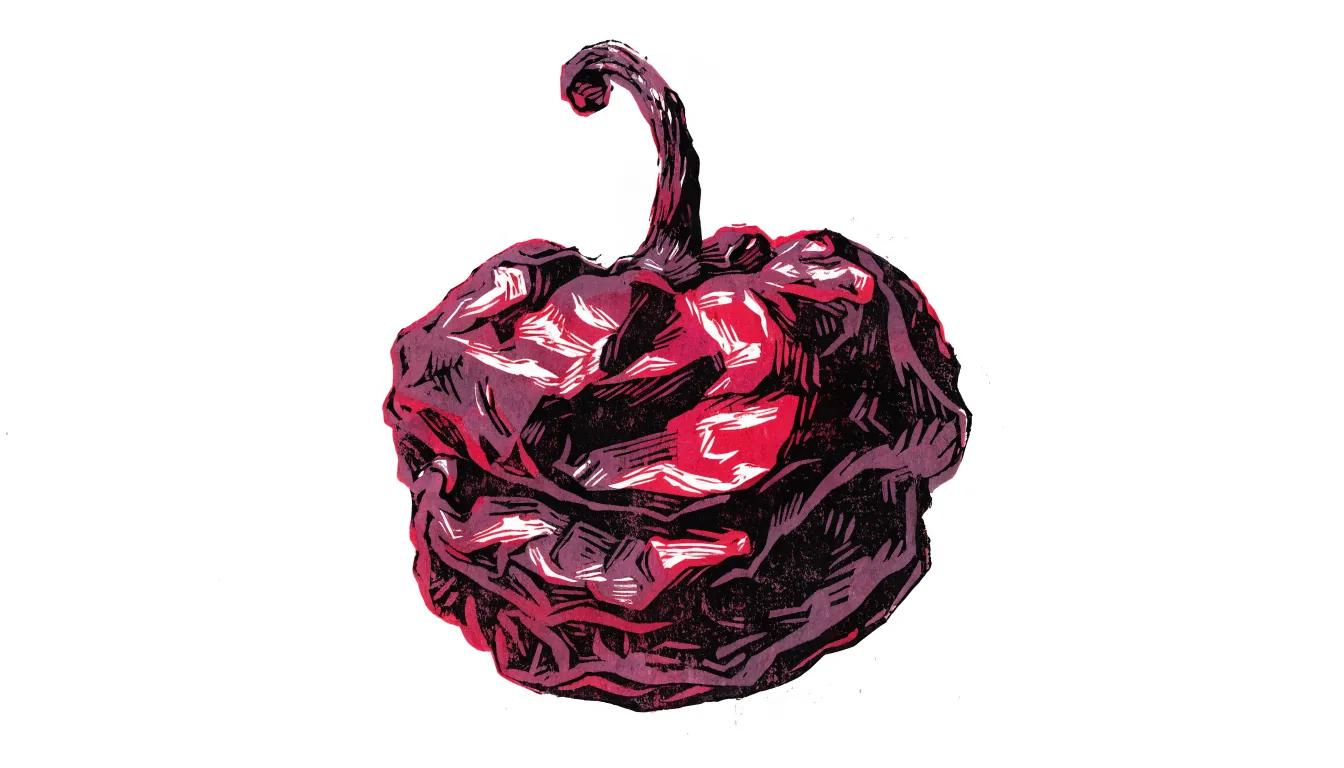
A smoked red jalapeño smoked for less time than a meco. What separates the two chipotles, and why morita is the one in the tin.
Chocolate, liquorice and smoke, and almost always mistaken for ancho. What mulato is, how to tell the two apart, and why mole poblano needs all three.
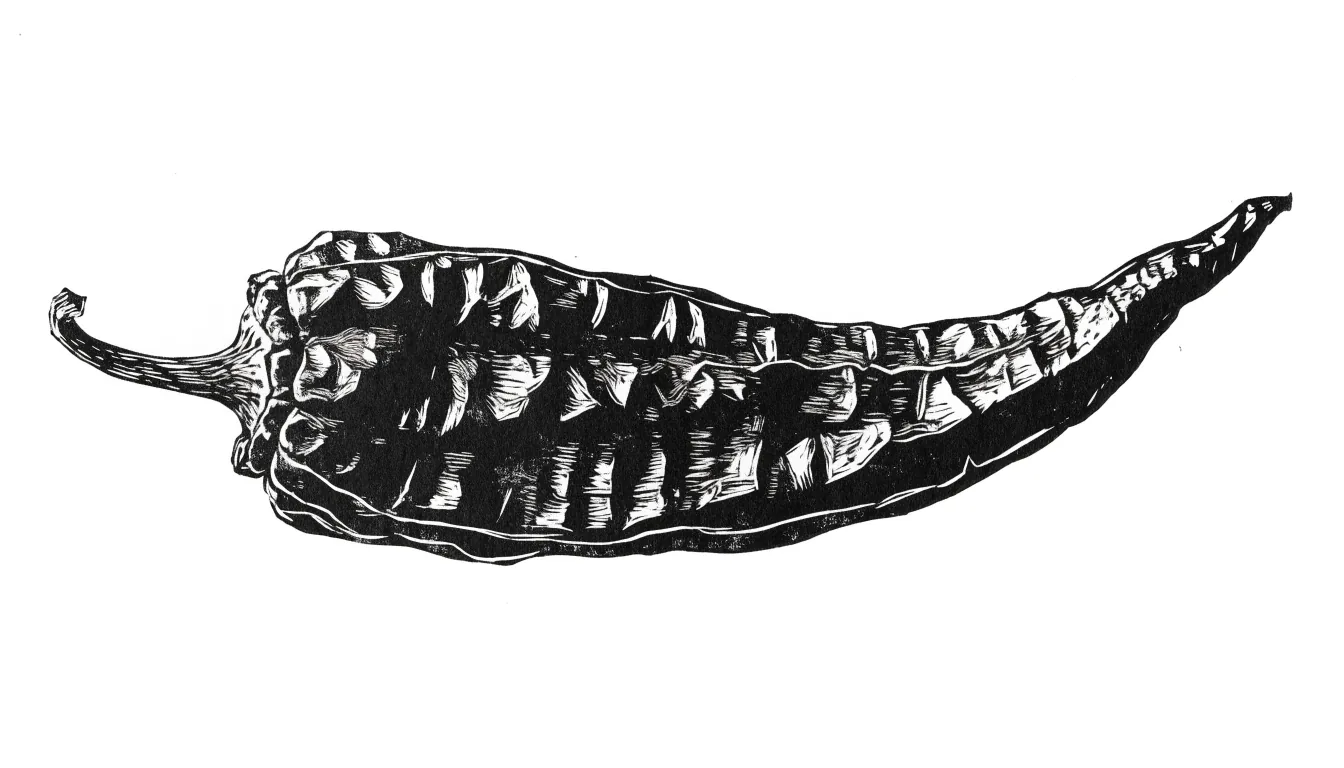
Herbaceous, cocoa-like and moderately bitter. What pasilla actually is, why California grocers call something else by the same name, and where it belongs.
Smaller and hotter than guajillo, with the same bright fruit. What puya is, when to reach for it instead, and why the two are sold side by side.