Ají Charapita: The Pea-Sized Amazon Pod, and Why It Costs What It Costs
Tiny, yellow, intensely citric and very hot, from the Peruvian Amazon. What it tastes of, what the expensive-chile claim actually rests on, and why growing it is the sensible route.
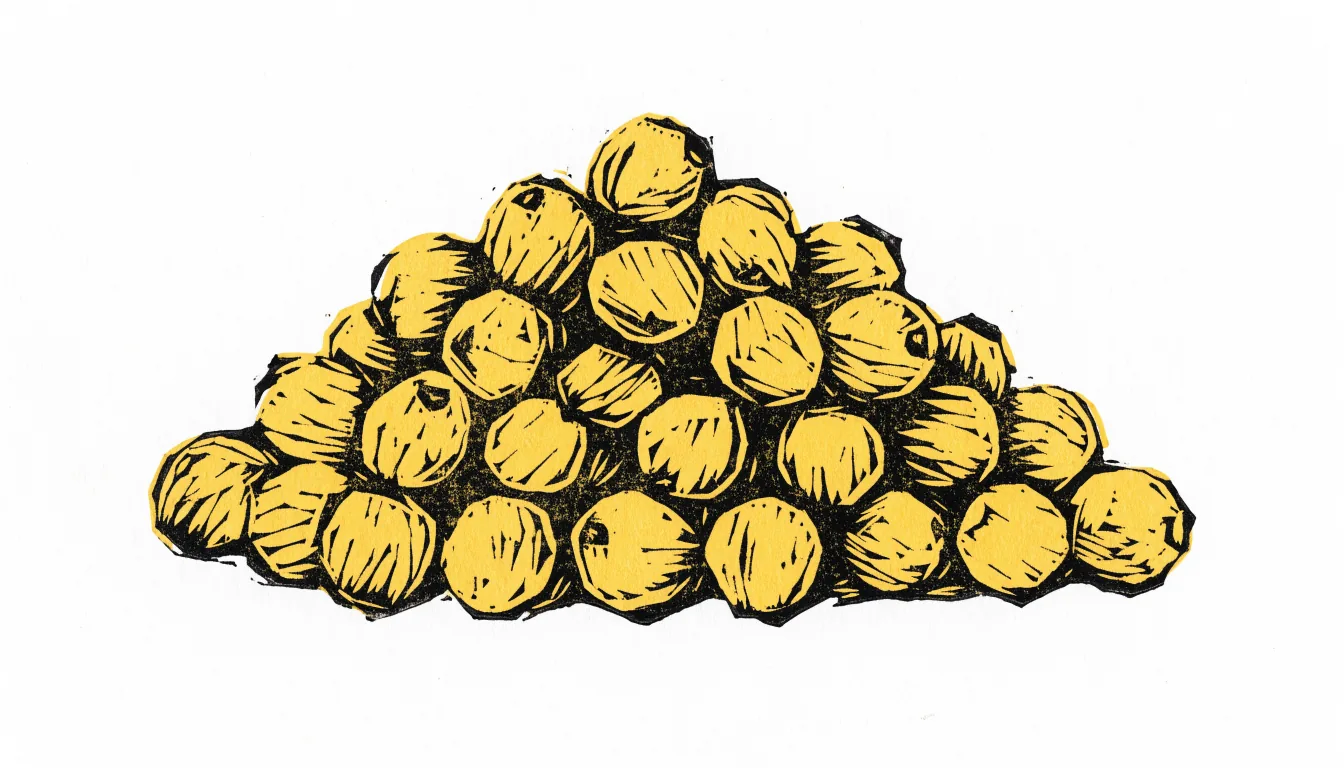
Ají charapita is a pea-sized round yellow pod from the Peruvian Amazon, intensely citric in aroma and very hot for its size, used whole or crushed in table salsas rather than cooked into a dish. It is the smallest pepper in regular Peruvian use.
It is also routinely described as one of the most expensive chiles in the world, and that claim is true in a narrow and unglamorous sense worth setting out plainly.
What ají charapita actually is
Ají charapita is a round pod about the size of a pea, bright yellow when ripe, growing on a bushy plant in the Loreto region of the Peruvian Amazon and in cultivation elsewhere.
The aroma is the reason to use it. It is sharply citric and floral, closer to a lime peel than to the fruit-and-body character of ají amarillo.
It is very hot relative to its size, and because the pod is tiny the heat arrives concentrated when one is bitten rather than distributed through a dish.
The name places it. Charapa is a term for people of the Peruvian Amazon, so charapita reads roughly as the little one from the jungle.
Orange and red forms exist, though the yellow is the one usually sold and the one meant when the name is used without qualification.
It is a finish rather than a base ingredient. Its aroma is volatile and cooking it at length wastes the only thing it does better than a cheaper pod.
What the expensive-chile claim rests on
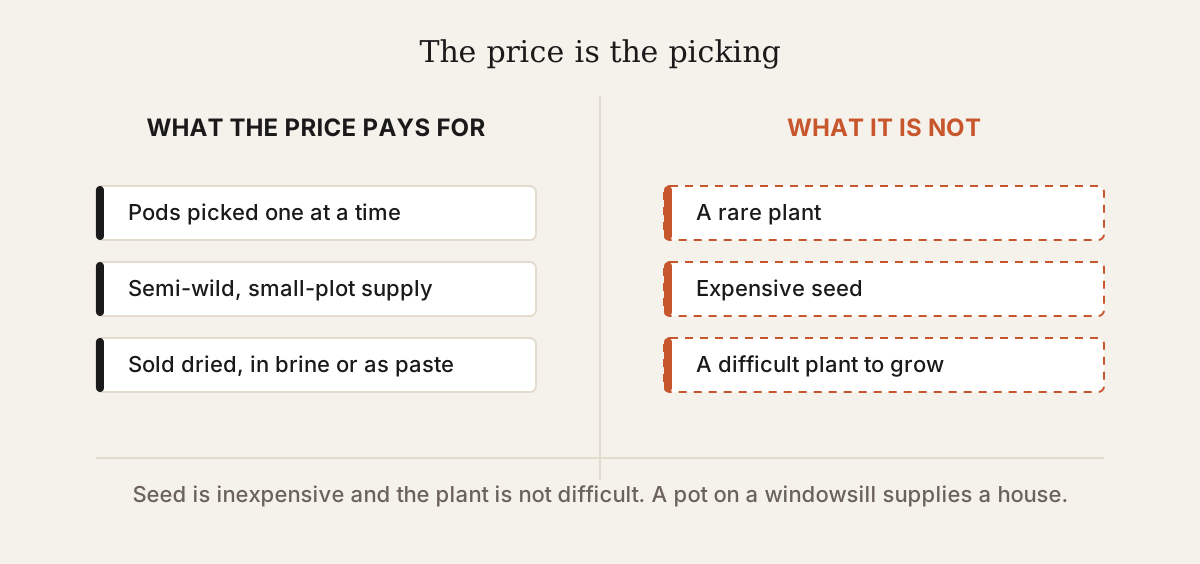
Ají charapita is genuinely costly by weight and the reason is harvest economics rather than rarity or any special quality of the flavour.
The pods are tiny and are picked by hand, one at a time. A kilogram is an enormous number of individual pickings, and that labour is most of the price.
Much of the supply is semi-wild or small-plot. It has never been farmed at the scale of the coastal ajies, so there is no mechanised harvest to bring the cost down.
It travels badly fresh and is mostly sold dried, in brine or as a paste, each of which adds a processing step.
None of that makes it rare as a plant. Seed is inexpensive and widely sold, and the plant is not difficult, which is the fact the expensive-chile framing tends to leave out.
Treat headline price-per-kilogram figures with care. They are usually quoted for fresh pods at specialist retail in markets far from Peru, and they describe a supply chain rather than the ingredient.
How it differs from the coastal ajies
Ají charapita belongs to the Amazon and behaves differently from the pods of the Peruvian coast and highlands.
Ají amarillo gives body, colour and moderate heat and is cooked into an aderezo as a foundation. Charapita gives aroma and sharp heat and is added at the end.
Ají limo is the coastal ceviche pepper, larger, thin-walled and floral. Charapita is used in the same raw register but is smaller, more citric and hotter.
Rocoto is a different species entirely, thick-walled with black seeds, and is stuffed or blended rather than scattered.
Charapita is the one used whole. Its size makes it practical to drop into a bottle of vinegar or onto a plate intact, which none of the others allow.
How to buy it and what to look for
Fresh charapita is scarce in the United States and the preserved forms are the realistic route.
In brine or vinegar is the most common form sold and the one that best keeps the citric aroma. Look for pods that are still plump and clearly yellow rather than collapsed and dull.
Dried whole pods keep the heat and lose a great deal of the perfume, which is the part worth paying for. They are useful crushed into a salt or a dry blend.
Paste is convenient and variable. Read the label for filler, since charapita’s cost creates an obvious incentive to bulk a paste out with cheaper pods.
Checked on 13 August 2026, United States retail for ají charapita runs to seed suppliers, dried pods and jarred preparations rather than fresh produce, which describes availability on that date rather than recommending any seller.
Growing it is the sensible answer. The plant is compact enough for a pot, seed is cheap, and a single productive bush yields more pods than a household will use in a season. That is a far better route to fresh charapita than buying it.
How to use it
Crush a few pods into a salsa, drop them whole into vinegar, or scatter them over a finished plate. Use them where the aroma will not be cooked away.
The classic use is a table salsa of crushed charapita with lime, salt and sometimes onion, served beside grilled meat or fish.
Whole pods in vinegar or lime juice make a keeping condiment that carries the aroma into the liquid, and the liquid is then as useful as the pods.
Add them at the end of anything cooked, or leave them whole and remove them, so the perfume survives.
They pair naturally with Amazonian ingredients such as cocona, and more generally with anything acidic and raw.
Start with one pod. The size invites treating them like peppercorns, and the heat does not agree.
Storage
Fresh pods keep a week or two refrigerated and freeze well whole, which is the best route for a garden glut.
Freezing preserves the aroma better than drying. The pods are small enough to use straight from frozen without thawing.
In brine they keep for months refrigerated once opened, and the brine itself is worth keeping.
Dried pods keep a year in a sealed jar away from light, with the citric note fading steadily over that time.
A finished salsa is a two or three day product. The lime and the aroma both fade quickly.
Frequently asked questions
How hot is ají charapita?
Ají charapita is very hot for its size, and because each pod is pea-sized the heat arrives as a concentrated burst rather than spread through a dish. Individual pods vary considerably. The practical approach is to start with a single pod in a salsa, taste, and add, rather than treating them by volume as though they were peppercorns.
Why is ají charapita so expensive?
Ají charapita is expensive because of harvest labour rather than scarcity: the pods are pea-sized and picked individually by hand, so a kilogram represents an enormous number of pickings. Much of the supply comes from small plots or semi-wild growth in the Amazon with no mechanised harvest. The plant itself is not rare and seed is inexpensive, which is why growing it is much cheaper than buying it.
Can I grow ají charapita in the United States?
Ají charapita grows well in the United States and is the most practical way to get fresh pods, since fresh charapita is almost never sold here. Seed is widely available and cheap, the plant is compact enough for a large pot, and it can be overwintered indoors in cold regions. A single established bush produces more pods than most households use.
What can I substitute for ají charapita?
No common pepper reproduces ají charapita’s sharply citric aroma, and a habanero is the least bad substitute because it brings comparable heat and a floral note. Expect the result to be rounder and less lime-like. Where the recipe uses whole pods for their appearance and burst of heat, a small hot pepper such as a piquin comes closer in form if not in aroma.
Is ají charapita the same as ají limo?
Ají charapita and ají limo are different Peruvian pods used in similar raw preparations. Charapita is pea-sized, round, yellow, sharply citric and from the Amazon. Limo is larger, comes in many colours, is a coastal pepper and is the one traditionally minced into ceviche. Charapita is hotter for its size and much harder to buy fresh.
The pairing
“Contamanina”, Los Mirlos, 1973, Peru.
Regional. Amazonian cumbia from Moyobamba, out of the same stretch of Peruvian jungle this pod belongs to and named for a town on the Ucayali.
We write about seasoning preparations across Latin America, what separates the regional variants, and where to buy them in the United States.