Ají Dulce: The Pod That Smells Hot and Is Not
A habanero relative bred out of its heat, carrying the aroma without the burn. Why it anchors Venezuelan and Caribbean-coast cooking, and what actually substitutes.
Ají dulce is a small, wrinkled, sweet pod carrying the floral aroma of the habanero family with almost none of its heat, used across Venezuela and the Caribbean coast of Colombia as the aromatic backbone of a cooking base. Its name means sweet chile and describes it accurately.
It is the clearest example in Latin American cooking of a pepper valued for its perfume rather than its burn, and the confusion it causes is that it looks and smells exactly like something that will hurt you.
What ají dulce actually is
Ají dulce is a small pod, roughly the size of a walnut, wrinkled and irregular, ripening through green to red, orange or brown depending on the strain.
It belongs to the habanero’s species, Capsicum chinense, which is why the aroma is so recognisable to anyone who has smelled a habanero.
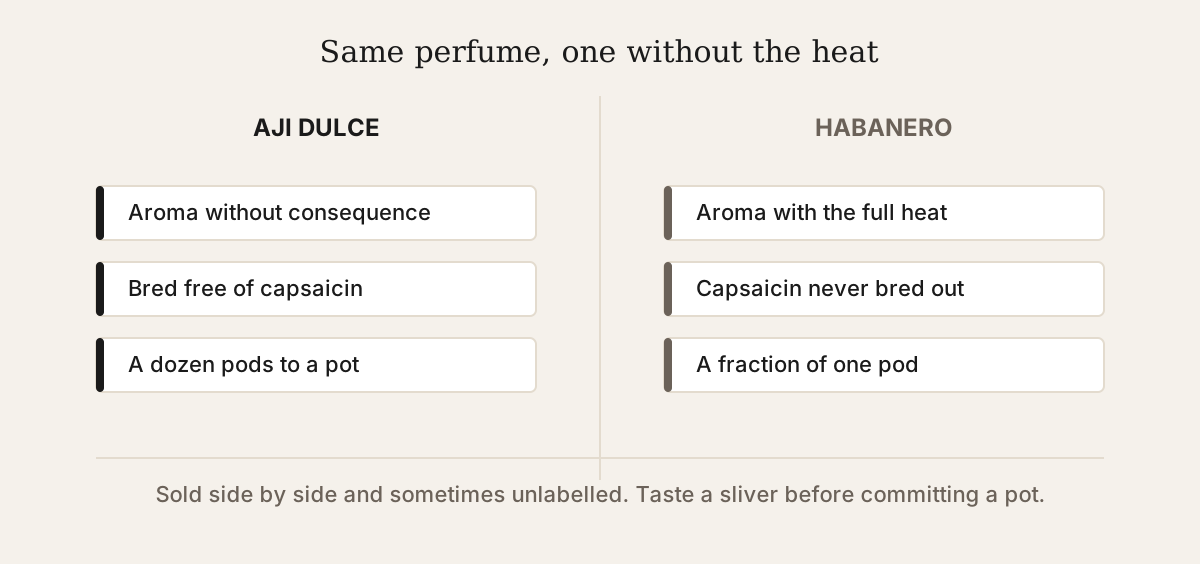
The heat has been bred out. Generations of selection in Venezuela and the Caribbean coast produced a pod that keeps the family perfume and carries little or no capsaicin.
The aroma is floral and slightly fruity, the same register as habanero and ají limo, but arriving without any consequence.
It is used in quantity. Because there is no heat to limit it, a base may take a dozen pods where a hot pepper would take a fraction of one, and that volume is how the aroma becomes structural.
Names vary by country. Ají dulce, ajicito, ají gustoso and ají cachucha all refer to this pod or to very close relatives, and cachucha in particular is widely used.
Why it anchors a base rather than finishing a dish
Ají dulce is a base ingredient, cooked in fat at the start alongside onion and garlic, and its properties make that the only sensible place for it.
Its aroma survives cooking better than it survives raw use. The perfume is drawn out by gentle heat in fat, which is exactly what the opening of a base does.
Heat would cap the quantity. A base takes many pods, and a pepper with genuine heat could not be used at that volume without dominating everything.
It supplies aroma where onion supplies sweetness. In a Venezuelan sofrito or a Colombian coastal base, the onion, garlic and tomato carry body and the ají dulce carries the top note.
Chopping it fine is normal. It disappears into the base rather than remaining as pieces, which is another reason its heatlessness matters.
It is not a table condiment. Nothing about it suits the finish family, and where a Venezuelan cook wants heat at the table it comes from a different pod entirely.
The confusion it causes
Ají dulce looks like a habanero, smells like a habanero and is not one, which trips up cooks and shoppers constantly.
The pods are visually similar at a glance: small, wrinkled, brightly coloured, in the same shape family.
They are frequently sold side by side in Latin American groceries, sometimes in unlabelled bins.
A mistaken swap goes badly in one direction only. Using habanero where a recipe wants a dozen ají dulce produces something inedible; using ají dulce where heat was wanted produces something merely mild.
Ají dulce is slightly smaller and more irregular, with a flatter, more collapsed shape, but the distinction is not reliable enough to bet a pot on.
Ask, or taste a sliver. This is one of the few cases where tasting a raw pod at the counter is both safe and decisive.
Where to buy it and what substitutes
Fresh ají dulce is sold in the United States wherever there is a Venezuelan, Dominican or Cuban customer base, and the substitutes are imperfect.
Ají cachucha is the same thing or close enough, and is often the label under which it is sold here.
Frozen pods are common and work well. The aroma survives freezing, and since the pod is going into a cooked base the texture loss does not matter.
Bell pepper is the usual substitute and is a poor one. It brings sweetness and body and none of the chinense perfume, which is the entire reason for the ingredient.
A single deseeded habanero is closer in aroma than a whole bell pepper, and brings heat the dish is not asking for. Where nothing else is available, one habanero with all seeds and ribs removed, used alongside bell pepper for bulk, gets nearer than either alone.
Checked on 13 August 2026, United States retail for ají dulce runs to Latin American grocers, frozen packs and seed suppliers rather than general supermarkets, which describes availability on that date rather than recommending any seller.
Growing it is straightforward. Seed is widely sold, the plant behaves like any other chinense, and a couple of plants supply a household.
How to use it
Chop it fine and cook it in oil at the start, with onion and garlic, before anything else goes in.
Use far more than feels right. Six to a dozen pods for a household pot is normal, and using two will produce nothing detectable.
Deseed it or do not, as you prefer. With no meaningful heat in the seeds, this is a texture decision rather than a heat one.
Give it a few minutes in the fat before the tomato arrives, so the aroma is drawn into the oil where it will carry through the dish.
It suits beans, rice, stews and anything long-cooked, which is where Venezuelan and coastal Colombian cooking uses it.
Do not add it at the end. Raw, it is pleasant and thin, and the perfume that justifies it never develops.
Storage
Fresh pods keep one to two weeks refrigerated in a paper bag, and freeze extremely well.
Freezing is the standard preservation route and the one most households here use. Freeze whole, chop from frozen.
Chopped and frozen in oil in an ice cube tray is a practical shortcut, since the aroma is fat-soluble and the cube goes straight into a hot pan.
Drying is not worth it. The volatile aromatics that define the pod are largely lost, leaving a mild, papery sweetness.
A finished base keeps four to five days refrigerated and freezes for months, which is the usual way to hold ají dulce’s contribution.
Frequently asked questions
Is ají dulce spicy?
Ají dulce carries almost no heat, despite belonging to the same species as the habanero and smelling very much like one. Generations of selection in Venezuela and the Caribbean coast of Colombia produced a pod that keeps the floral aroma and has lost the capsaicin. Individual pods occasionally carry a trace of warmth, and none approach the heat of their hot relatives.
What is the difference between ají dulce and habanero?
Ají dulce and habanero are the same botanical species, Capsicum chinense, sharing a floral aroma, and they differ almost entirely in heat. Habanero is intensely hot and used in small quantities; ají dulce is effectively heatless and used a dozen pods at a time as an aromatic base ingredient. They look similar enough that they are regularly confused at a counter.
Can I substitute bell pepper for ají dulce?
Bell pepper is the usual substitute for ají dulce and it is a weak one, because it supplies sweetness and bulk without any of the floral aroma that is the whole point of the pod. A closer approximation is a single habanero with every seed and rib removed, used together with bell pepper for volume. Neither is a real replacement.
Is ají dulce the same as ají cachucha?
Ají dulce and ají cachucha refer to the same pod or to very close relatives, and in the United States cachucha is frequently the label it is sold under. Ajicito and ají gustoso are further regional names for the same thing. The variation is in naming across Venezuela, Colombia, Cuba and the Dominican Republic rather than in the ingredient.
How many ají dulce do I need for a base?
A household pot of beans, rice or stew typically takes six to a dozen ají dulce, chopped fine and cooked in oil at the start. The quantity looks alarming to anyone accustomed to hot peppers and is what the pod requires, since its contribution is aroma rather than heat. Using two or three produces nothing you will be able to detect.
The pairing
“Caballo Viejo”, Simón Díaz, 1980, Venezuela.
Lyrical. A joropo from the Venezuelan plains that became the country’s most exported song, from the cooking tradition where this pod is the default aromatic rather than a specialty.
We write about seasoning preparations across Latin America, what separates the regional variants, and where to buy them in the United States.