Aliño Chileno: The Chilean All-Purpose Blend, and What Is Actually In It
The dry mix that seasons most Chilean home cooking. What the standard four are, what gets added, and why the supermarket jar is not the same thing as the one made at home.
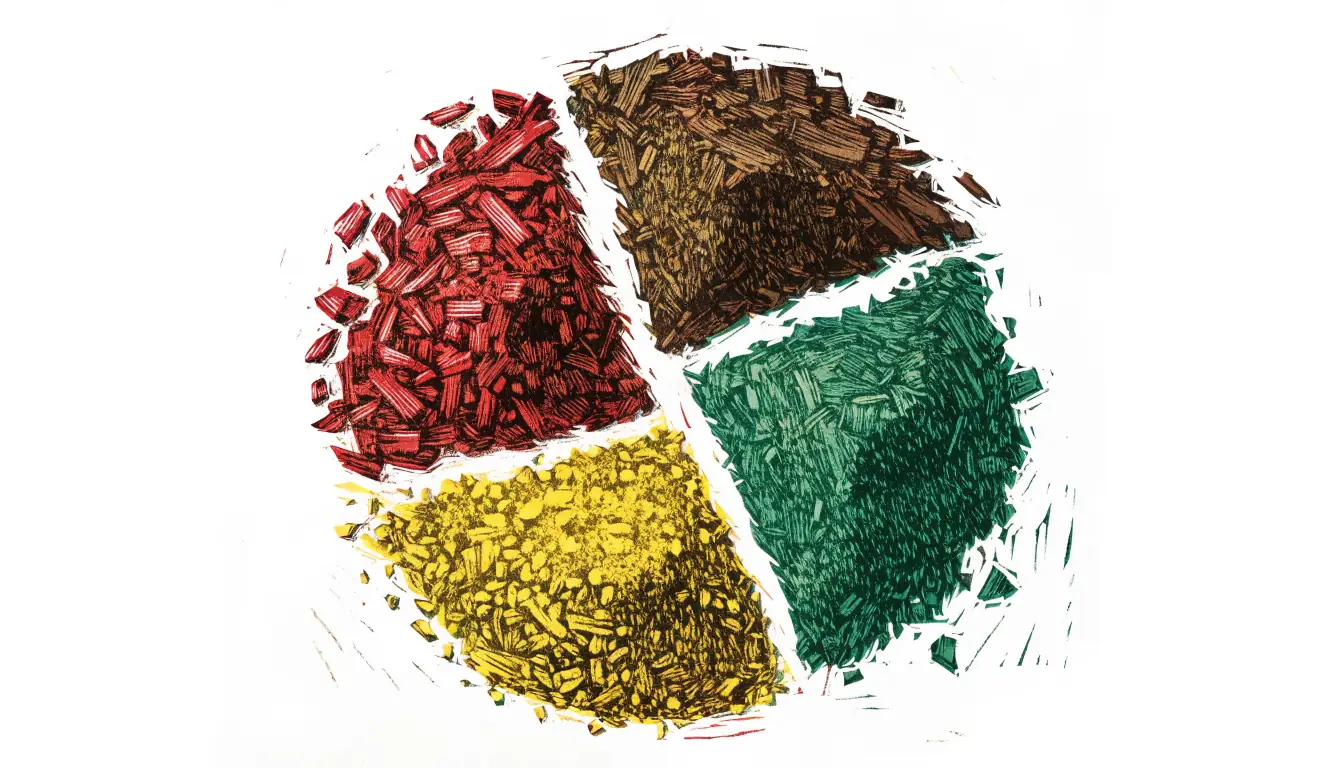
Aliño chileno is the everyday dry seasoning mix of Chilean home cooking, built around cumin, ground ají colour, garlic powder and oregano, and used on almost everything that is not a dessert.
It is the least glamorous preparation on this site and the one a Chilean kitchen reaches for most often.
What is in it
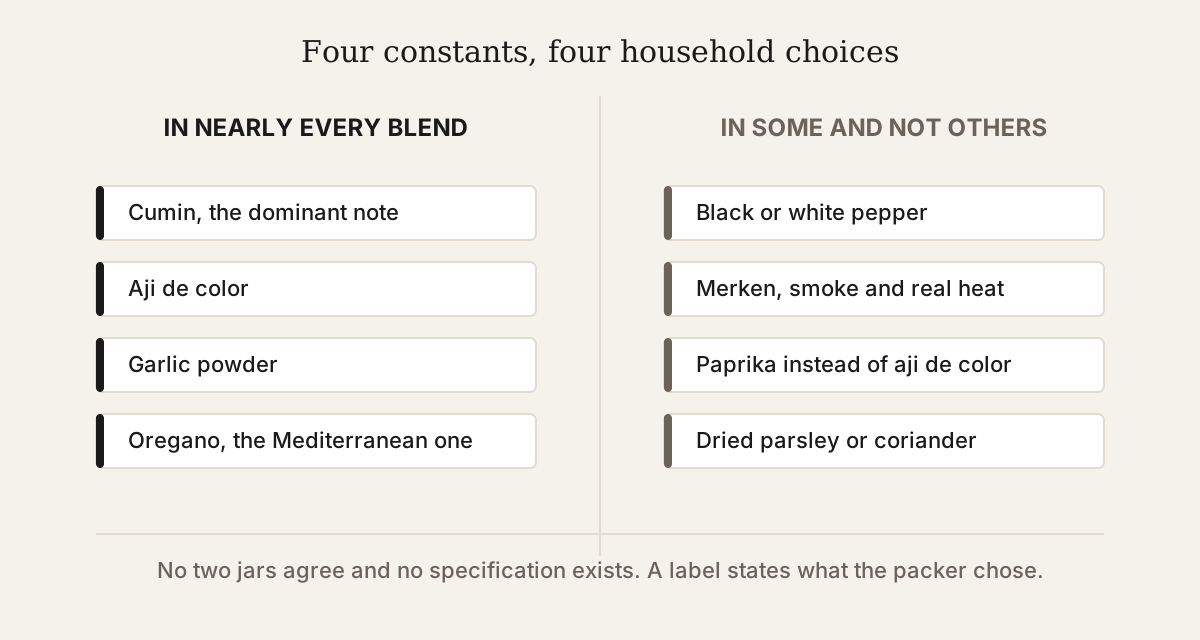
Aliño chileno is built on four components that appear in nearly every version: cumin, ground ají for colour, garlic and oregano.
Cumin is the dominant note and the one that makes the blend recognisably Chilean rather than generically Latin American. Chilean cooking uses cumin more heavily than most of its neighbours.
The red colour comes from ground ají colour, the dried and milled Chilean red pepper sold as ají de color. It contributes colour and mild fruit rather than heat.
Garlic is powdered rather than fresh because the blend has to keep dry on a shelf.
Oregano is the Mediterranean plant, not the Mexican one. Chile grows and uses Origanum vulgare, and the two are different plants from different botanical families.
Salt is usually present and is the component most likely to vary, because a cook who buys a salted blend then has to season the dish around it.
What varies between households
Beyond the four constants, aliño chileno is a household preference rather than a fixed formula.
Ground black or white pepper appears in many versions and is absent from others.
Merkén appears in some, particularly in the south and where there is Mapuche influence, and it changes the blend materially by adding smoke and real heat.
Paprika sometimes substitutes for ají colour in commercial blends, which is a fair swap on colour and a poorer one on flavour.
Dried parsley or coriander turn up in supermarket mixes and are rare in a home blend.
No two jars agree, and there is no protected specification of any kind for aliño chileno, so a package labelled this way is telling you what the packer chose rather than what the name requires.
The commercial jar against the home mix
The supermarket product and the home blend are different things wearing the same name, and the difference is mostly salt and filler.
Commercial blends are frequently salt-first by weight. Reading the ingredient list in order tells you whether you are buying seasoning or seasoned salt.
Anti-caking agents are normal in a packed blend and absent from a home one.
MSG appears in some brands. It is not traditional to the blend and it is not a defect either; it is a choice the packer made, and the label will say so.
A home mix is usually made in small batches because ground cumin loses its top notes within a few months.
Making it
Mix ground cumin, ají de color, garlic powder and dried oregano, and adjust to what you cook.
A common starting ratio is two parts cumin to two parts ají colour to one part garlic powder to one part oregano. That is a starting point rather than a specification, and Chilean households vary it widely.
Crush the oregano between your palms as it goes in, which breaks the leaf and releases more than adding it whole does.
Leave the salt out and salt the dish separately. It gives you control and the blend keeps just as well.
Make a small jar. Ground spices fade, and a blend made three months ago is noticeably flatter than one made last week.
Where it goes
Aliño chileno seasons meat, stews, legumes and vegetables, and it is used at the start of cooking rather than at the table.
Pino, the beef and onion filling for empanadas and pastel de choclo, is the clearest single use.
Cazuela and other long-cooked stews take it early, with the aliño going in alongside the aromatics.
Legumes, particularly porotos, are seasoned with it.
Meat before grilling takes it as a dry rub.
It is not a table seasoning. That role belongs to pebre, which is a finish and a different family.
Buying it in the United States
Aliño chileno is stocked by Chilean and general South American importers online and is uncommon in mainstream American supermarkets.
Checked on 13 August 2026, a United States search for the term returned importer listings and recipe publishers on the first page. Counting rule: a result counts as a seller when it offers a packaged blend for purchase. That describes that search on that date and is not a recommendation of any seller.
Ají de color is the component to source deliberately. The rest of the blend is in any supermarket, and the Chilean ground red pepper is the part that makes it taste Chilean rather than generic.
Read the order of ingredients on any jar. Salt in first position means you are buying mostly salt.
Storage
Airtight, dark and dry, and use it within about six months.
Ground cumin is the first component to fade, which is the practical reason to make small batches.
Do not store it above the stove. Heat and steam are what shorten a spice blend’s life fastest.
It does not spoil, it just becomes progressively less interesting, so a jar that has lost its smell is a jar to replace rather than a safety question.
Frequently asked questions
Is aliño chileno the same as adobo?
No. Aliño chileno is cumin-forward with Chilean ají colour and is used mainly at the start of cooking. Adobo, in its Latin American dry sense, is usually garlic-forward and more heavily salted, and the two do not substitute cleanly. The names describe different regional traditions rather than one thing with two labels.
Can I substitute chili powder for ají de color?
Not directly. American chili powder is a compound blend that usually contains cumin, oregano and garlic already, so substituting it doubles those components and changes the balance. Plain Hungarian sweet paprika is a much closer single-ingredient substitute for colour, though it is fruitier and less earthy than Chilean ají de color.
Does aliño chileno contain chile heat?
Usually very little. Ají de color contributes colour and mild fruit rather than capsaicin, so a standard blend is not hot. Heat, when a household wants it, comes from adding merkén or fresh ají to the dish rather than from the base blend.
Is the oregano in it Mexican oregano?
No, the oregano in aliño chileno is Mediterranean oregano, Origanum vulgare. Mexican oregano is Lippia graveolens, a different plant in a different botanical family with a more citrus and anise-leaning flavour. Substituting one for the other changes the blend audibly, and it is one of the most common quiet errors in English-language recipes.
Why is my homemade blend darker than the jar I bought?
Most often because the commercial blend is diluted with salt and anti-caking agent, which lightens it, or because it uses paprika in place of ají de color. A home blend made mostly of spice is more concentrated in both colour and smell.
The pairing
“Volver a los 17”, Violeta Parra, 1966, Chile.
Regional. Parra collected and rebuilt Chilean folk song from the countryside where this blend is domestic, and the recording is as close to a national reference point as Chilean music has.
We write about seasoning preparations across Latin America, what separates the regional variants, and where to buy them in the United States.