Ancho Chile: The Dried Poblano, and the Backbone of Mole
Sweet, raisin-like and barely hot. What ancho is, how it differs from mulato and pasilla, and how to tell a good one in the bag.
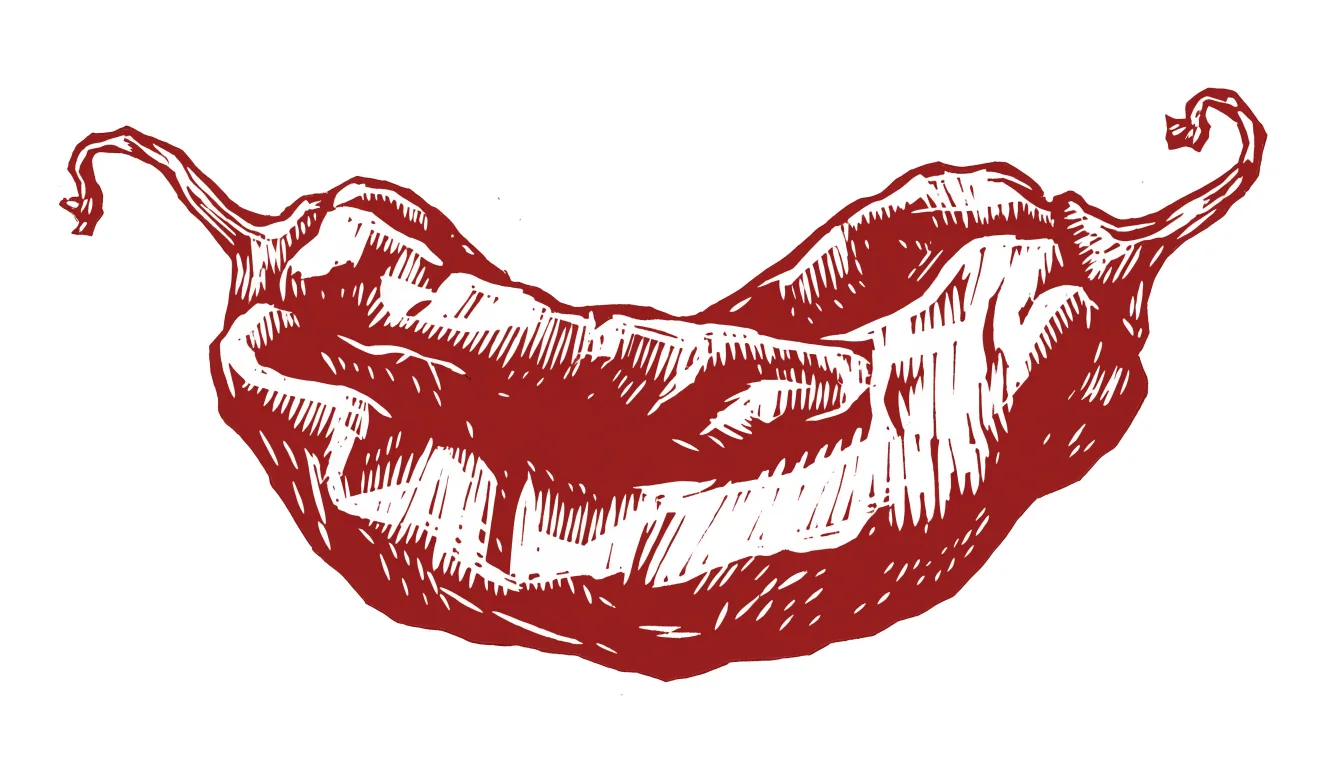
Ancho is a dried ripe poblano chile, wide and wrinkled, dark reddish brown, with a sweet raisin and prune character and very little heat.
It is the most used dried chile in Mexican cooking and the base of most moles and adobos.
Coverage of Mexican ingredients on this site is researched rather than first-hand, written from published sources and supplier documentation.
What ancho is
Ancho is the poblano chile left to ripen to deep red on the plant and then dried.
Ancho means wide, which describes the flat, broad shape it dries into.
A green poblano is not an ancho. The fresh green chile used for chiles rellenos is the same plant picked earlier, and it dries into nothing useful.
The skin is wrinkled and pliable in a good specimen, not brittle.
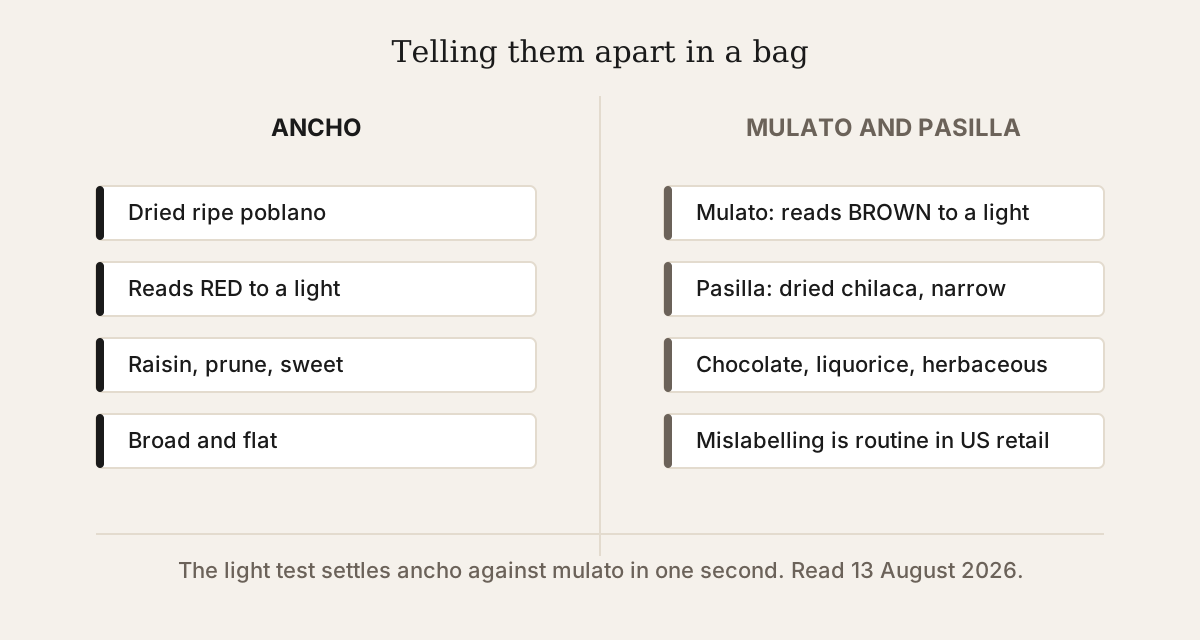
Held to the light it reads red, which is the single most useful test for separating it from mulato.
What it tastes of
Ancho is sweet and fruity, with raisin, prune and a light tobacco note, and mild heat.
The sweetness is the defining quality and is why it forms the base of so many sauces.
Heat is low, roughly 1,000 to 2,000 on the Scoville scale, which is milder than most jalapeños.
There is a mild bitterness in the skin that toasting brings forward and burning makes unpleasant.
It thickens as well as flavours, since the flesh is comparatively meaty for a dried chile.
Ancho, mulato and pasilla
These three are routinely mixed up, sold interchangeably and used together, and they are three different chiles.
| Chile | Fresh form | Colour to the light | Register |
|---|---|---|---|
| Ancho | ripe poblano | red | sweet, raisin, prune |
| Mulato | a poblano variant | brown, almost black | chocolate, liquorice, smoky |
| Pasilla | dried chilaca | brown-black, narrow | herbaceous, cocoa, more bitter |
Ancho and mulato both come from poblano-type plants and are distinguished by cultivar and by how they ripen and dry.
Pasilla comes from a different chile entirely, the long thin chilaca.
Mole poblano uses all three together, which is why they are stocked side by side and why the confusion persists.
Mislabelling is common in United States retail, particularly pasilla sold as ancho or the reverse, so the light test matters.
Buying it
Look for pliable, unbroken pods with a strong raisin smell, and check the colour against the light.
Pliable, not brittle. A chile that cracks when bent has been on the shelf too long and has lost its aromatics.
No pale patches or dust, which indicate age or poor storage.
Whole beats ground. Ground ancho fades quickly and is more often adulterated.
Checked on 13 August 2026, a United States search for the term returned grocery and spice retailers alongside recipe publishers on the first page. Counting rule: a result counts as a seller when it offers ancho chiles for purchase. Sellers were present on that rule, which describes that search on that date and is not a recommendation of any seller.
Using it
Toast briefly, rehydrate, then blend, and never let it burn.
Toast on a dry comal for a few seconds a side until it smells fragrant and puffs slightly. This is measured in seconds, not minutes.
Burnt ancho is bitter beyond rescue and there is no way to correct a sauce made with it.
Rehydrate in hot water twenty minutes, and keep some of the liquid unless it tastes bitter.
Remove stems and seeds before or after soaking, which reduces heat and grit.
Strain the blend for a smooth sauce, since the skins do not fully break down.
Storage
Airtight and dark, whole ancho keeps six to twelve months.
They fade rather than spoil, losing aroma first and pliability second.
Refrigeration or freezing extends them and is worth it if you buy in quantity.
Watch for insects in bulk-bought dried chiles, which is the main reason to store them sealed.
Frequently asked questions
Is ancho the same as poblano?
It is the same plant. Ancho is what a poblano becomes when it is left to ripen to red and then dried. The fresh green poblano used for chiles rellenos is picked earlier, and the two are used quite differently despite being one chile at two stages.
Is ancho spicy?
Barely. It sits around 1,000 to 2,000 Scoville units, which is milder than a typical jalapeño. It is used for sweetness, body and colour rather than heat, and a sauce that needs fire gets it from another chile added alongside.
What can I substitute for ancho?
Mulato is the closest, though it is darker and more chocolatey. Pasilla works and brings more bitterness and less sweetness. Guajillo is brighter and thinner and changes the sauce noticeably. None is a true match, which is why classic recipes specify all three separately.
How do I tell ancho from mulato in the bag?
Hold a pod up to a light. Ancho reads red through the flesh, mulato reads brown to nearly black. Smell is the second test: ancho is raisin and prune, mulato is chocolate and liquorice. Mislabelling is common enough in United States retail that the check is worth making.
Can I use ancho powder instead of whole chiles?
For convenience yes, with two caveats. Ground chile loses aroma much faster than whole pods, and powders sold as ancho are sometimes blended with other chiles or with fillers. If a sauce depends on the chile, whole pods toasted and rehydrated are meaningfully better.
The pairing
“La Llorona”, traditional, arranged 1940s, Mexico.
Regional. A son from the Isthmus of Tehuantepec in Oaxaca, the state whose moles rest on this chile more than any other.
We write about seasoning preparations across Latin America, what separates the regional variants, and where to buy them in the United States.