Avocado Leaf: The Anise Note in Oaxacan Black Beans
Toasted avocado leaves season beans, barbacoa and tamales across southern Mexico. What they taste of, which variety is used, and why the safety question turns on species.
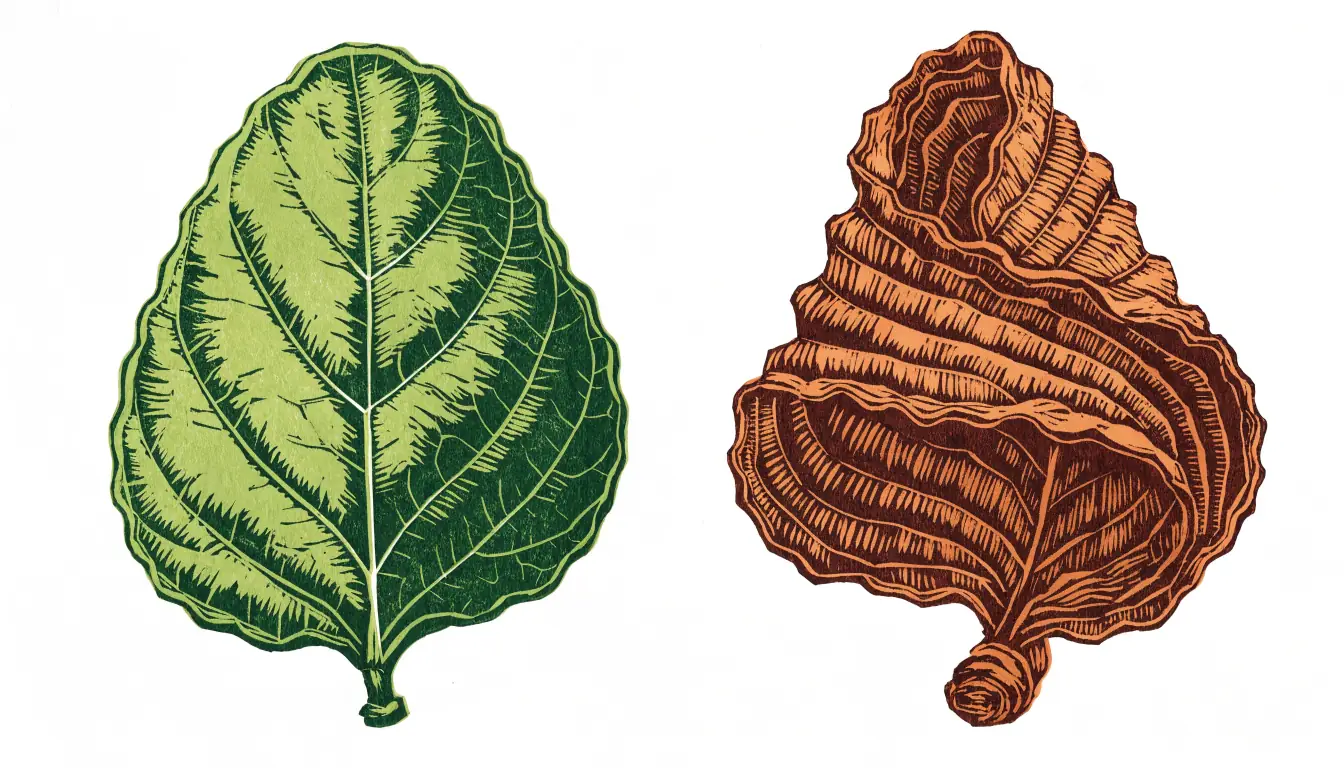
Avocado leaf is the dried and toasted leaf of the Mexican avocado, Persea americana var. drymifolia, used to season black beans, barbacoa and tamales in southern Mexico.
It tastes of anise, which surprises anyone who assumes an avocado leaf would taste of avocado, and the variety matters because not every avocado tree produces an edible one.
Coverage of Mexican ingredients on this site is researched rather than first-hand, written from published sources and supplier documentation.
What avocado leaf is
Avocado leaf used in Mexican cooking comes specifically from the Mexican variety of avocado, not from every avocado tree.
The variety is Persea americana var. drymifolia, the Mexican race, which is the one whose leaves carry the anise aroma.
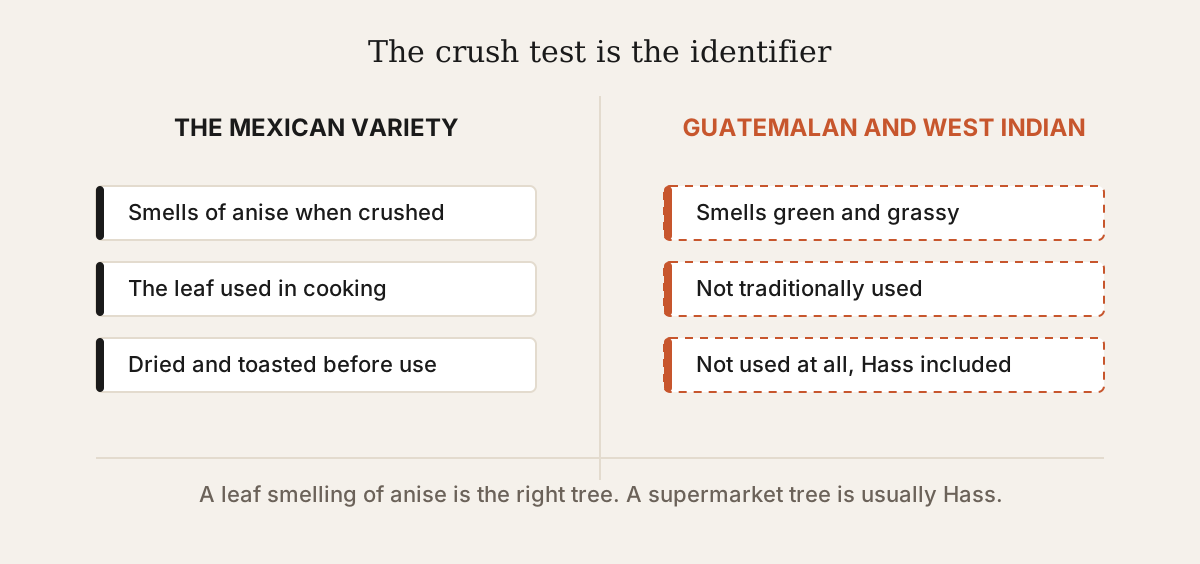
Guatemalan and West Indian varieties do not carry it in the same way, and their leaves are not traditionally used.
The crush test is the identifier. A leaf from the Mexican variety smells strongly of anise when crushed. One that smells green and grassy is not the right tree.
Hass is a Guatemalan-Mexican hybrid, and its leaves are generally not what Mexican cooking means by hoja de aguacate.
Leaves are used dried far more than fresh, and are usually toasted before use.
What they taste of
Avocado leaves taste of anise and hazelnut, cleaner and gentler than hoja santa, with a faint bitterness.
Anise leads, in a rounder and less medicinal way than hoja santa.
Toasting brings out a hazelnut note that raw leaves do not have.
They are subtle. Two or three leaves flavour a large pot without announcing themselves.
Older dried leaves fade and become mostly bitter, which is the usual reason a batch disappoints.
How they are used
Toast the leaves briefly, then add them whole to the pot, or grind them into a seasoning.
Toast on a dry comal for a few seconds a side until fragrant. Untoasted leaves are noticeably flatter.
Add whole to beans and remove before serving, in the same way as a bay leaf.
Line a pit or a steamer for barbacoa, which is the traditional use in central and southern Mexico.
Grind toasted leaves into a powder for tamal masa and for some moles.
Two or three leaves is the usual quantity for a large pot.
Where they belong
Avocado leaves belong in Oaxacan black beans, in barbacoa, in tamales and in some moles.
Frijoles negros de olla is the most common single use and the one most people meet first.
Barbacoa uses them to line the cooking vessel.
Tamales, particularly Oaxacan ones, take ground leaf in the masa.
Mole and adobo occasionally take them for background anise.
They pair with epazote rather than competing with it, since the two sit in different registers.
The safety question, stated plainly
The safety literature on avocado leaves concerns persin and concerns animals more than people, and the variety used in Mexican cooking is the one with the longest culinary record.
Persin is the compound named, present in avocado leaves and known to be toxic to several animal species including birds, horses and cattle.
The Guatemalan variety is the one most associated with persin toxicity in the veterinary literature, and the Mexican variety is the one used in cooking.
Human culinary use of the Mexican variety is long-standing and ordinary in southern Mexico.
This site does not evaluate toxicological questions and reports the position rather than offering a judgement. Specific concerns belong with a clinician, and the leaves should be kept away from pets regardless.
Buying them
Dried avocado leaves are sold by Mexican grocers and online, whole or ground, and are inexpensive.
Checked on 13 August 2026, a United States search for the term returned spice retailers and recipe publishers on the first page. Counting rule: a result counts as a seller when it offers avocado leaves for purchase. Sellers were present on that rule, which describes that search on that date and is not a recommendation of any seller.
Whole leaves beat ground, since the aroma fades quickly once the leaf is broken.
Smell the package if you can. A good batch smells of anise through the bag.
Do not pick leaves from an ordinary supermarket avocado tree unless you know the variety, since the crush test is the only reliable check and most nursery trees are Hass or Guatemalan.
Storage
Airtight and dark, dried avocado leaves keep six to twelve months.
Aroma fades first and bitterness is what remains.
Keep them whole and break them as needed.
They are brittle and will shatter in a bag, which does not matter for a pot but does for lining a steamer.
Freezing extends them and is worth doing for a large bag.
Frequently asked questions
Do avocado leaves taste like avocado?
No. They taste of anise with a hazelnut note that toasting brings out, and nothing about them suggests the fruit. The anise character is why they are sometimes compared to hoja santa, which is a different plant with a stronger and more medicinal version of the same direction.
Can I use leaves from my own avocado tree?
Only if it is the Mexican variety, and the crush test is how you find out. A leaf from the right tree smells strongly of anise when crushed; one that smells green and grassy is not. Most nursery and supermarket trees in the United States are Hass or Guatemalan types, whose leaves are not what Mexican cooking uses.
Are avocado leaves toxic?
The compound named in the literature is persin, and the toxicity concern is largely veterinary, affecting birds, horses and cattle, and is most associated with the Guatemalan variety. The Mexican variety used in cooking has a long culinary record in southern Mexico. This site reports that position rather than offering a safety judgement, and the leaves should be kept away from pets in any case.
Should I toast them first?
Yes. A few seconds a side on a dry comal until fragrant makes a real difference, bringing out a hazelnut note that untoasted leaves lack. It takes seconds, and burning them makes the pot bitter, so watch them.
What can I substitute?
Nothing matches closely. A small piece of hoja santa gives anise in a stronger and more medicinal register. A pinch of aniseed or fennel seed covers the direction crudely. Many cooks omit them, which gives a good pot of beans that lacks a background note rather than a broken dish.
The pairing
“Naila”, Álvaro Carrillo, 1957, Mexico.
Regional. Written by a composer from the Oaxacan coast, from the state whose black bean pot is where most people first meet this leaf.
We write about seasoning preparations across Latin America, what separates the regional variants, and where to buy them in the United States.