Canela Mexicana: True Cinnamon, and Why It Crumbles
The soft, layered Ceylon cinnamon used across Mexico, and how it differs from the hard cassia sold as cinnamon in the United States.
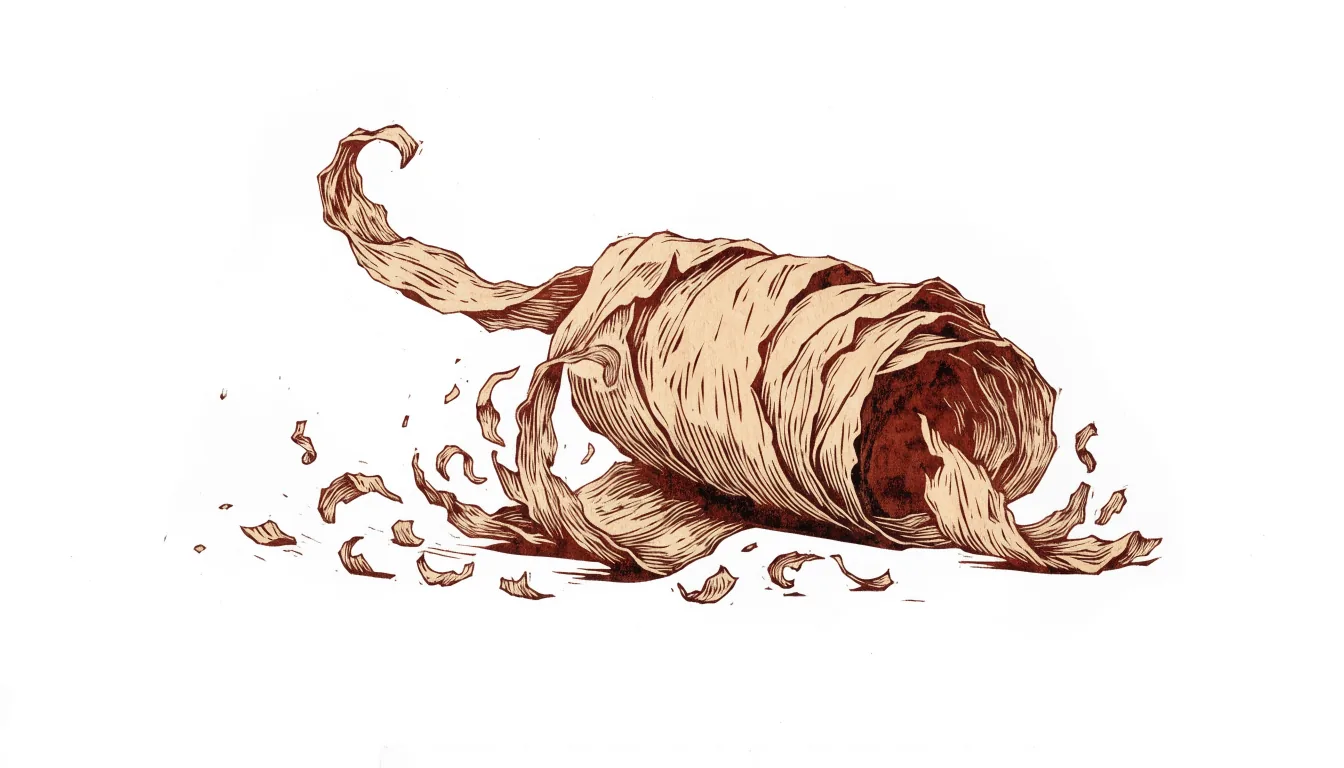
Canela mexicana is Ceylon cinnamon, Cinnamomum verum, the soft papery-barked spice used throughout Mexican cooking, and it is a different species from the hard cassia sold as cinnamon in most American supermarkets.
The crumble is the identifier. True cinnamon shatters between the fingers; cassia does not.
Coverage of Mexican ingredients on this site is researched rather than first-hand, written from published sources and supplier documentation.
What canela mexicana is
Canela mexicana is Ceylon cinnamon, grown in Sri Lanka and imported into Mexico in quantity since the colonial period.
The species is Cinnamomum verum, sometimes called true cinnamon.
It is not grown in Mexico. The name describes how it is used rather than where it comes from, and Mexico is one of the largest importers of Ceylon cinnamon in the world.
The quills are made of many thin layers rolled together, like a rolled cigar, and are soft enough to break by hand.
The colour is tan to light brown, paler than cassia.
How it differs from cassia
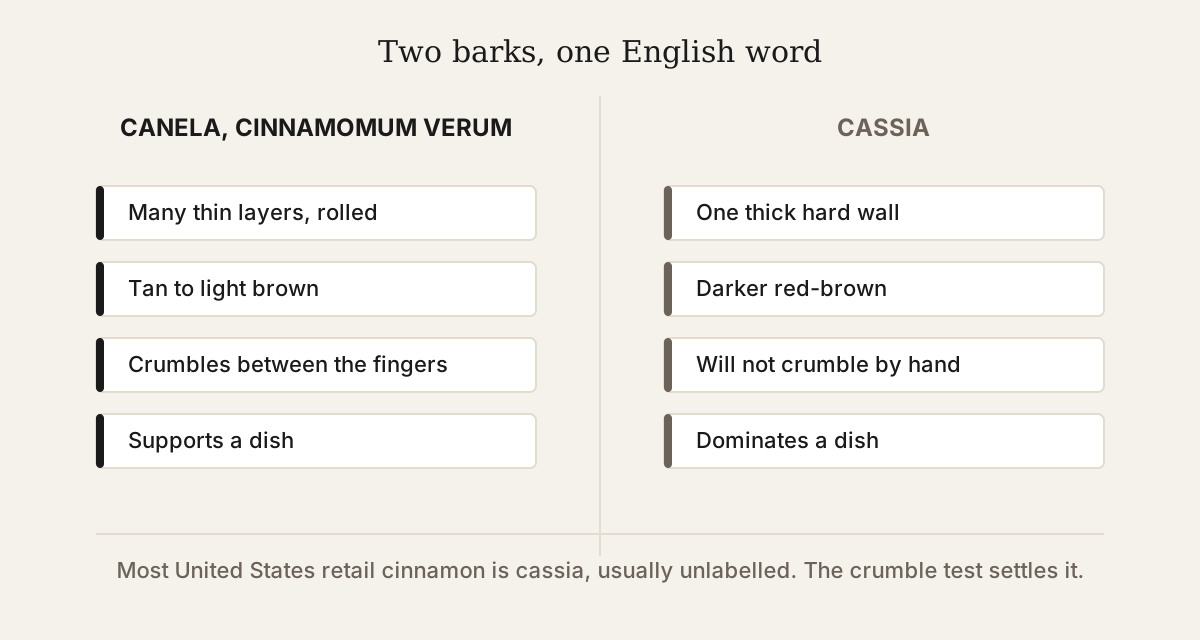
Cassia is a different species, harder, darker and more aggressively flavoured, and it is what most American supermarkets sell as cinnamon.
| Ceylon, canela | Cassia | |
|---|---|---|
| Species | Cinnamomum verum | C. cassia and relatives |
| Quill | many thin layers, soft | one thick layer, hard |
| Colour | tan, pale | dark reddish brown |
| Flavour | delicate, floral, citrus | strong, hot, sweet |
| Crumbles by hand | yes | no |
The crumble test settles it in a second. A quill you can crush between finger and thumb is Ceylon.
Cassia dominates a dish where Ceylon supports it, which is why substituting changes Mexican recipes noticeably.
Most United States retail cinnamon is cassia, usually unlabelled as such, since the word cinnamon covers both in American usage.
Why the difference matters in Mexican cooking
Mexican recipes are built around Ceylon’s delicacy, and cassia overwhelms them.
Champurrado, atole and chocolate use canela as a background note that cassia would take over.
Mole uses it in small quantity alongside many other spices, where a dominant cassia unbalances the whole.
Café de olla is brewed with a whole quill, and a Ceylon quill releases its flavour gently over the brew.
Rice pudding and horchata show the difference most clearly, since there is little else to hide behind.
Ceylon quills can be ground in the drink itself, being soft enough to break down, which cassia cannot do.
The coumarin difference
Cassia contains substantially more coumarin than Ceylon cinnamon, which is the reason the distinction appears in food safety discussions.
Coumarin is present in cassia at much higher levels than in Ceylon.
Several European food safety bodies have issued guidance on cassia intake for that reason.
Ceylon cinnamon carries very little, which is one argument made for it beyond flavour.
This site does not evaluate intake guidance and reports the distinction rather than making a health claim.
Buying it
Look for soft, pale, multi-layered quills, and buy from a Mexican grocer where the default is Ceylon.
Checked on 13 August 2026, a United States search for the term returned Mexican grocers, spice retailers and reference material on the first page. Counting rule: a result counts as a seller when it offers canela or Ceylon cinnamon for purchase. Sellers were present on that rule, which describes that search on that date and is not a recommendation of any seller.
A Mexican grocer’s canela is Ceylon as a matter of course, and is usually cheaper than Ceylon sold under that name in a spice shop.
Buy quills rather than ground. Ground Ceylon is harder to verify and fades faster.
Ceylon labelled as such is the search term in mainstream retail, since canela will not be understood.
Using it
Break a quill into the pot, or grind it fresh, and expect to use more than a cassia recipe would call for.
Use a little more than a cassia recipe specifies, since Ceylon is gentler.
Break rather than cut. Quills crumble readily by hand.
Grind fresh where a recipe wants powder, since Ceylon grinds easily in a spice mill.
Whole quills in a simmering liquid release slowly and can be left in for the duration.
Storage
Airtight and dark, whole quills keep two to three years, ground about a year.
Whole keeps far longer than ground, as with every spice.
The soft quills absorb moisture and can go limp in a humid kitchen, which dulls them.
They do not spoil, they fade.
Keep them away from strong-smelling spices, since the layered bark picks up aromas.
Frequently asked questions
Is canela mexicana grown in Mexico?
No. It is Ceylon cinnamon grown in Sri Lanka, and Mexico is one of the world’s largest importers of it. The name reflects how thoroughly the spice is embedded in Mexican cooking rather than where the tree grows, a trade relationship dating to the colonial period.
How do I tell Ceylon from cassia?
Try to crumble a quill between your fingers. Ceylon is made of many thin papery layers and shatters easily; cassia is a single thick hard curl that will not. Ceylon is also paler, tan rather than dark reddish brown. The crumble test takes a second and is reliable.
Can I substitute regular supermarket cinnamon?
You can, and use less of it, because supermarket cinnamon is almost always cassia and it is considerably stronger. In dishes where cinnamon is a background note, like mole, the substitution is usually acceptable. In horchata, rice pudding or café de olla, where there is little to hide behind, cassia tastes like a different drink.
Is cassia bad for you?
Cassia contains substantially more coumarin than Ceylon cinnamon, and several European food safety bodies have issued intake guidance on that basis. This site reports the distinction rather than evaluating the guidance, and questions about intake belong with a clinician.
Why is Ceylon cinnamon more expensive?
Harvesting and rolling the thin inner bark into quills is labour-intensive work done by hand, where cassia bark is thicker and simpler to process. Buying canela from a Mexican grocer rather than Ceylon cinnamon from a specialty spice shop usually costs considerably less for the same spice.
The pairing
“La Bikina”, Rubén Fuentes, 1964, Mexico.
Regional. A composition by one of the great arrangers of Mexican mariachi, from the country that drinks more of this cinnamon than almost anywhere outside its growing region.
We write about seasoning preparations across Latin America, what separates the regional variants, and where to buy them in the United States.