Cascabel Chile: The Round One That Rattles
A small round dried chile named for the sound its seeds make. Nutty, woody and moderately hot, and easy to identify because nothing else looks like it.
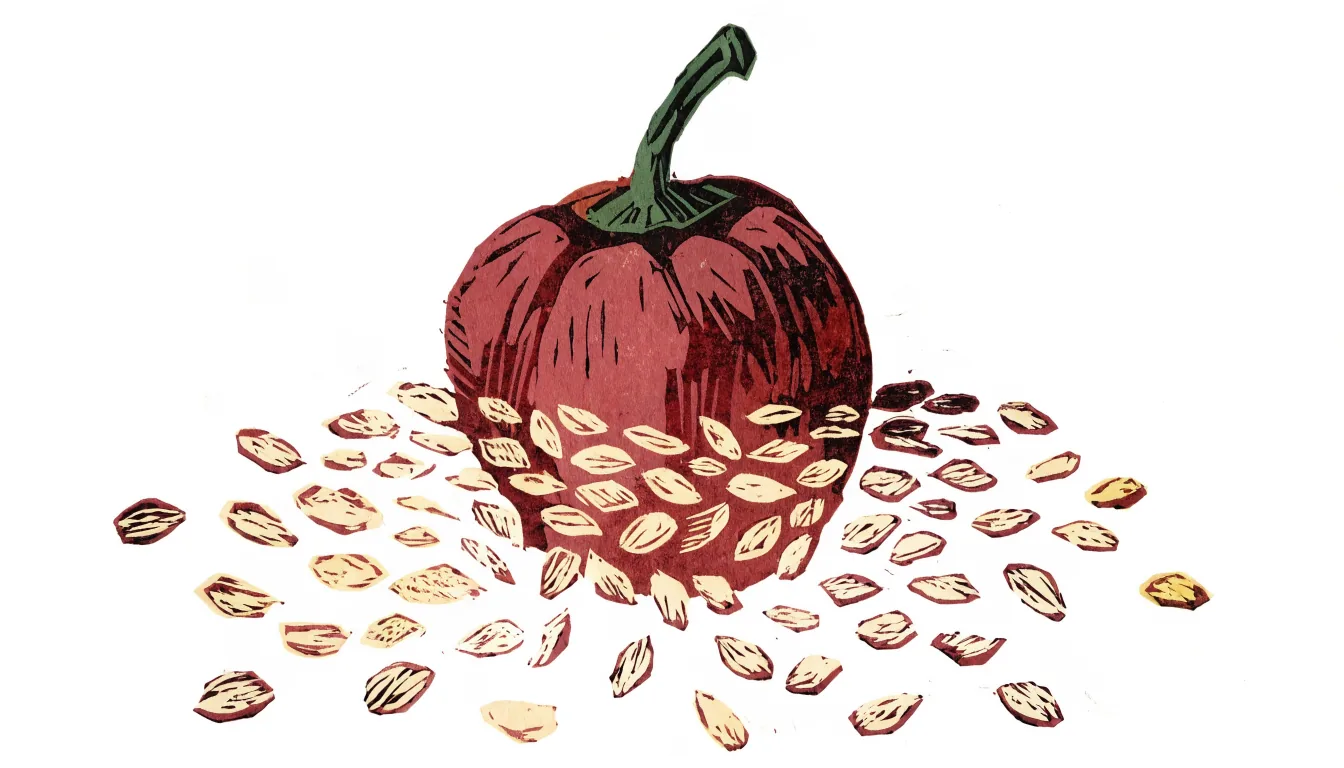
Cascabel is a small round dried chile, roughly the size of a walnut, reddish brown and smooth, with a nutty, woody flavour and moderate heat.
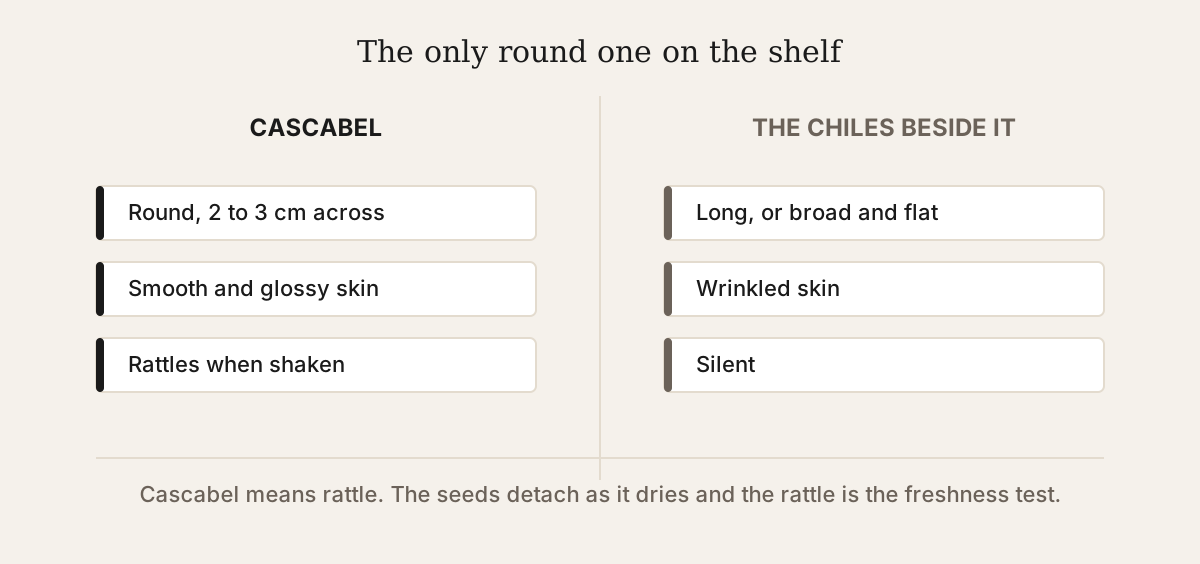
It is named for the sound. Cascabel means rattle, and the loose seeds inside a dried pod rattle when it is shaken, which is also the freshness test.
Coverage of Mexican ingredients on this site is researched rather than first-hand, written from published sources and supplier documentation.
What cascabel is
Cascabel is the dried form of a small round chile grown in central Mexico, also called bola or bolita.
The shape is unmistakable. It is spherical to slightly flattened, two to three centimetres across, where almost every other Mexican dried chile is long or broad and flat.
The skin is smooth and glossy, not wrinkled.
It is dark reddish brown and fairly opaque held to a light.
The seeds detach as it dries, which is what produces the rattle.
What it tastes of
Cascabel is nutty and woody with a slight smokiness and a clean moderate heat.
Nuttiness is the defining note, closer to toasted hazelnut than to the fruit registers of ancho and guajillo.
There is a woody, almost tobacco quality underneath.
Heat is moderate, roughly 1,000 to 3,000 Scoville units, similar to a mild jalapeño.
It is less sweet than most dried chiles, which makes it useful where a sauce is already sweet enough.
Where it belongs
Cascabel belongs in table salsas, in soups and stews, and anywhere a nutty background is wanted without much heat.
Table salsas are the most common use, toasted and blended with tomato or tomatillo.
Soups and broths take it whole or halved.
Meat stews use it alongside guajillo for depth.
It is rarely a mole chile, being neither sweet enough nor dark enough for that role.
Buying it
Shake the bag. A good cascabel rattles, and a silent one has lost its seeds or its dryness.
The rattle is the freshness test and is the reason for the name.
Look for smooth unbroken skin with a glossy surface.
Avoid pale or dusty pods, which indicate age.
Checked on 13 August 2026, a United States search for the term returned spice retailers and recipe publishers on the first page. Counting rule: a result counts as a seller when it offers cascabel chiles for purchase. Sellers were present on that rule, which describes that search on that date and is not a recommendation of any seller.
Using it
Toast briefly, rehydrate, and blend, keeping in mind the pod holds proportionally more seed than a long chile.
Toast seconds a side on a dry comal.
Cut it open and shake the seeds out before soaking if you want less heat, which is easier on a round pod than a long one.
Rehydrate fifteen to twenty minutes.
The skin is thinner than guajillo’s and breaks down better, so straining is less essential.
Storage
Airtight and dark, six to twelve months, and the round shape makes it store compactly.
The rattle fades as it takes up moisture, which is a useful storage indicator as well as a buying one.
Freezing works.
Keep it away from humidity, which softens the pod and kills the rattle.
Frequently asked questions
Why is it called cascabel?
Because the dried pod rattles. Cascabel means rattle or small bell in Spanish, and as the chile dries its seeds come loose inside the hollow pod. Shaking a handful in a bag is both the origin of the name and the standard freshness check.
Is cascabel hot?
Moderately, around 1,000 to 3,000 Scoville units, comparable to a mild jalapeño. It is used more for its nutty, woody flavour than for heat, and removing the seeds brings it down further.
What can I substitute for cascabel?
Nothing matches the nuttiness exactly. Guajillo is the most available substitute and brings tang instead. A small amount of ancho gives body and sweetness. If the recipe uses cascabel for a table salsa, guajillo with a little toasted sesame approximates the direction.
Is cascabel the same as bola chile?
Yes. Bola and bolita, both meaning ball, are alternative names for the same round chile. Labels use them interchangeably, and the shape confirms the identification regardless of which name is on the bag.
Do I need to strain a cascabel sauce?
Less often than with guajillo. Cascabel skin is thinner and breaks down more completely in a blender, so a sauce made from it is usually acceptably smooth unstrained. Straining still improves it if you want a refined texture.
The pairing
“Jarabe Tapatío”, traditional, arranged Jesús González Rubio, 1924, Mexico.
Regional. The birthday song sung across Mexico, from the central states where this chile is grown, and about as domestic as a song gets.
We write about seasoning preparations across Latin America, what separates the regional variants, and where to buy them in the United States.