Chilhuacle: The Rare Oaxacan Chile Behind Mole Negro
Nearly extinct commercially, grown in one Oaxacan valley, and the chile mole negro is named for. What it is, why it costs what it does, and what to do without it.
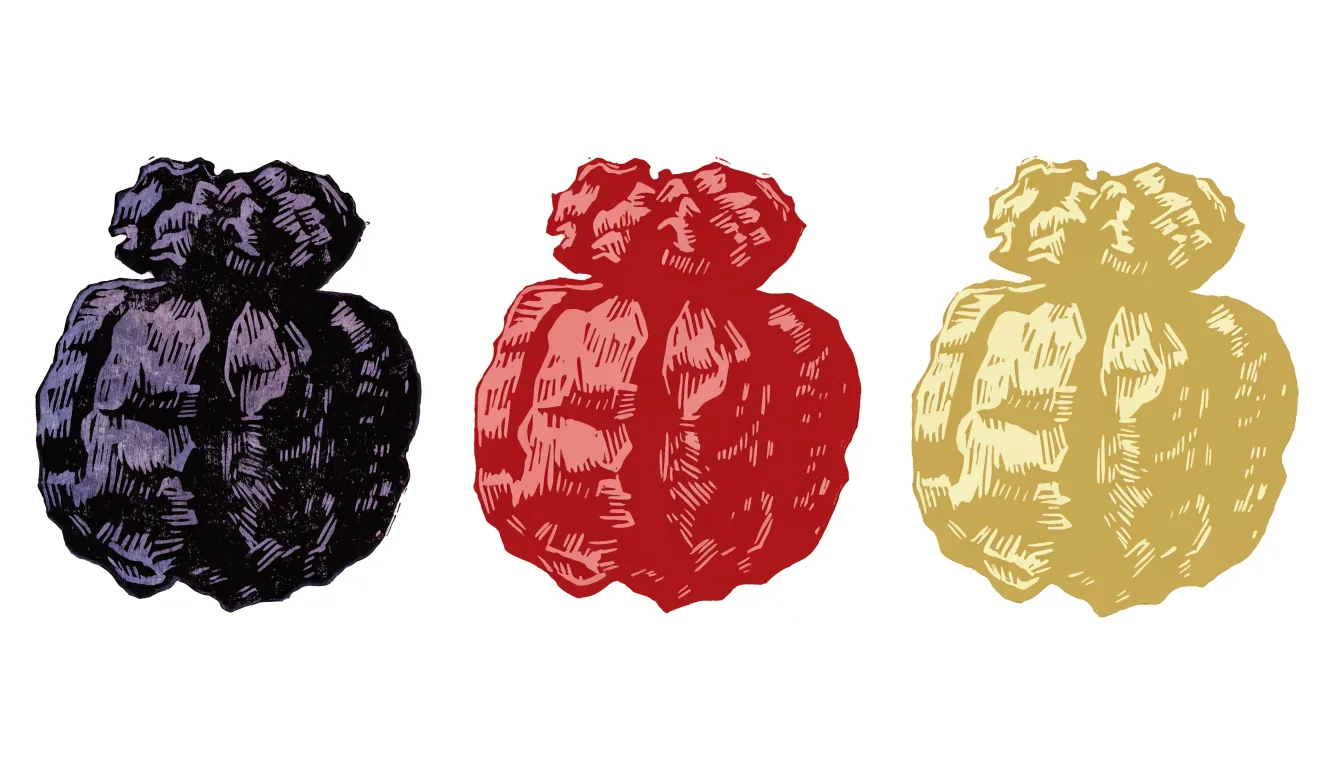
Chilhuacle is a rare Oaxacan chile grown almost entirely in the Cañada region, sold in black, red and yellow forms, and it is the chile that defines mole negro.
It is the most expensive and scarcest chile on this site, and its scarcity is a genuine agricultural fact rather than a marketing position.
Coverage of Mexican ingredients on this site is researched rather than first-hand, written from published sources and supplier documentation.
What chilhuacle is
Chilhuacle is a small, squat, thick-walled chile grown in the Cañada region of Oaxaca, in three colour forms.
The name is Nahuatl in origin, commonly glossed as old chile.
The pod is short and blocky, roughly the size of a small bell pepper and much thicker-walled than most dried chiles.
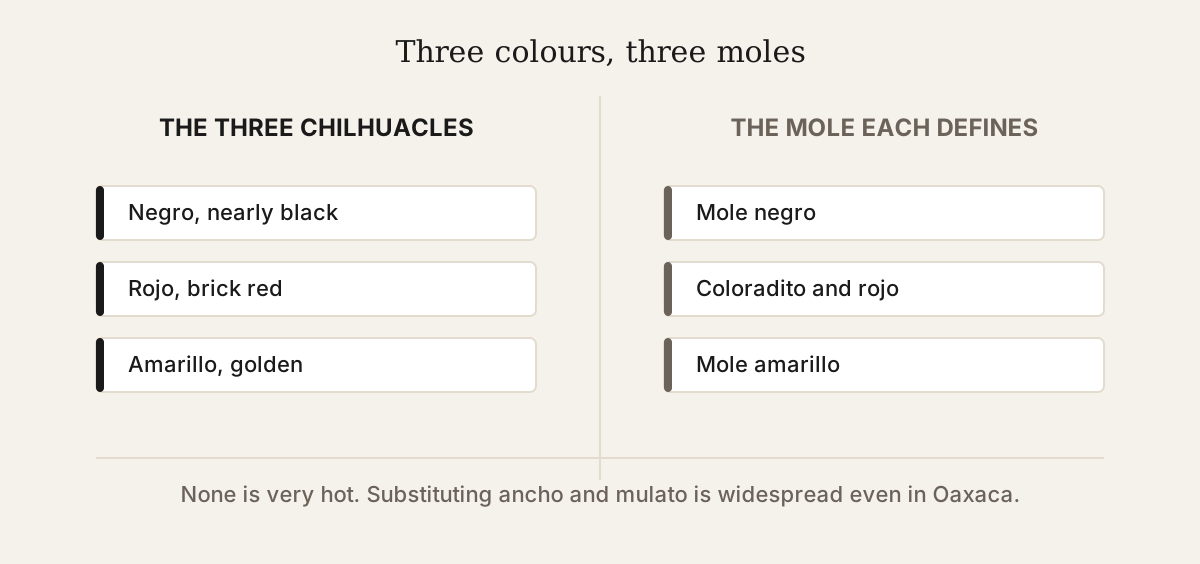
Three forms exist. Chilhuacle negro, rojo and amarillo, each with its own use.
It is grown in a very small area and production has declined substantially, which is why it costs what it does.
The three colours
Each chilhuacle defines a different Oaxacan mole.
Chilhuacle negro is nearly black, with a deep cocoa and dried fruit character, and it is the chile mole negro is built on.
Chilhuacle rojo is brick red, fruitier and slightly sweeter, used in coloradito and rojo.
Chilhuacle amarillo is golden, sharper and more acidic, used in mole amarillo.
None is very hot, all sitting in the mild to moderate range, which surprises people given the price.
Why it is scarce and expensive
Chilhuacle is grown by a small number of farmers in one region, is labour-intensive, and has no commercial substitute.
Cultivation is concentrated in the Cañada, and the growing area has contracted rather than expanded.
It is dried whole and by hand, and the thick walls make drying slow.
Demand from Oaxacan cooks is inelastic, since mole negro genuinely cannot be made properly without it.
Prices are many times those of ancho or guajillo, and this is a supply fact rather than a premium positioning.
Substitution is widespread even in Oaxaca, with ancho and mulato standing in when chilhuacle is unavailable or unaffordable.
What to do without it
The standard substitution is ancho plus mulato, and it produces a good mole that is not mole negro.
Mulato is the closest single chile on darkness and cocoa character.
Ancho plus mulato together covers more of the range, sweetness plus depth.
Charring the chiles harder approximates chilhuacle negro’s darkness, which is how many cooks compensate.
Accept the result is different. A mole made without chilhuacle is a good mole, and calling it mole negro is a stretch that Oaxacan cooks themselves would question.
Buying it
Chilhuacle is sold by specialist importers, rarely by general grocers, and the price is the identifying feature.
Checked on 13 August 2026, a United States search for the term returned specialist chile retailers and reference material on the first page. Counting rule: a result counts as a seller when it offers chilhuacle chiles for purchase. Sellers were present on that rule, which describes that search on that date and is not a recommendation of any seller.
Specify the colour. A listing reading simply chilhuacle is usually negro.
Be sceptical of cheap chilhuacle. At prices close to ancho, it is likely something else.
Quantities are small. A mole negro uses relatively few pods, which softens the cost in practice.
Using it
Toast carefully, and for mole negro char deliberately rather than toasting lightly.
Mole negro requires the chiles burned, not merely toasted, which is the opposite of the rule for every other chile on this site.
The burning is controlled and the resulting bitterness is the point of the dish.
Ventilate the kitchen. Burning chiles produces genuinely irritating smoke.
For rojo and amarillo, toast normally, seconds a side.
Rehydrate twenty to thirty minutes, longer than thin chiles because the walls are thick.
Storage
Airtight and dark, and given the price, freeze them.
Thick walls hold moisture and chilhuacle can mould if stored damp, unlike thin chiles which simply dry out.
Freezing is the sensible default for something this expensive.
Buy for a specific dish rather than to keep on hand.
Frequently asked questions
Why is chilhuacle so expensive?
Because it is grown in one small region of Oaxaca by a limited number of farmers, production has declined, drying is slow and labour-intensive, and demand from cooks making mole negro is steady. It is a genuine scarcity rather than a premium applied to an ordinary chile.
Can I make mole negro without chilhuacle?
You can make a very good dark mole with ancho and mulato, charred hard. Whether it is mole negro is a fair question, and many Oaxacan cooks substitute when they must while regarding the chilhuacle version as the real one. The substitution is honest as long as it is described accurately.
Is chilhuacle hot?
No, chilhuacle is mild to moderate. Its value is depth, colour and complexity rather than heat, which surprises buyers who assume price tracks fire. Mole negro is not a hot dish.
What is the difference between chilhuacle negro and pasilla de Oaxaca?
They are different chiles that both appear in Oaxacan cooking. Pasilla de Oaxaca is smoked and considerably hotter. Chilhuacle negro is unsmoked, thick-walled and mild, and it is charred by the cook rather than smoked by the producer.
How many do I need for a mole?
Fewer than the price suggests. A batch of mole negro typically uses a modest handful of chilhuacle alongside larger quantities of cheaper chiles, seeds and nuts, so the cost per serving is lower than the cost per pod implies.
The pairing
“Canción Mixteca”, José López Alavez, 1912, Mexico.
Regional. Written by a composer from Huajuapan de León in Oaxaca, about missing the Oaxacan soil where this chile grows and nowhere else.
We write about seasoning preparations across Latin America, what separates the regional variants, and where to buy them in the United States.