Chincho: The Peruvian Herb Almost Nobody Outside Peru Has Heard Of
A pungent Andean herb used in ají sauces and stews across southern Peru. What it is, what it tastes of, and why it is nearly impossible to buy fresh in the United States.
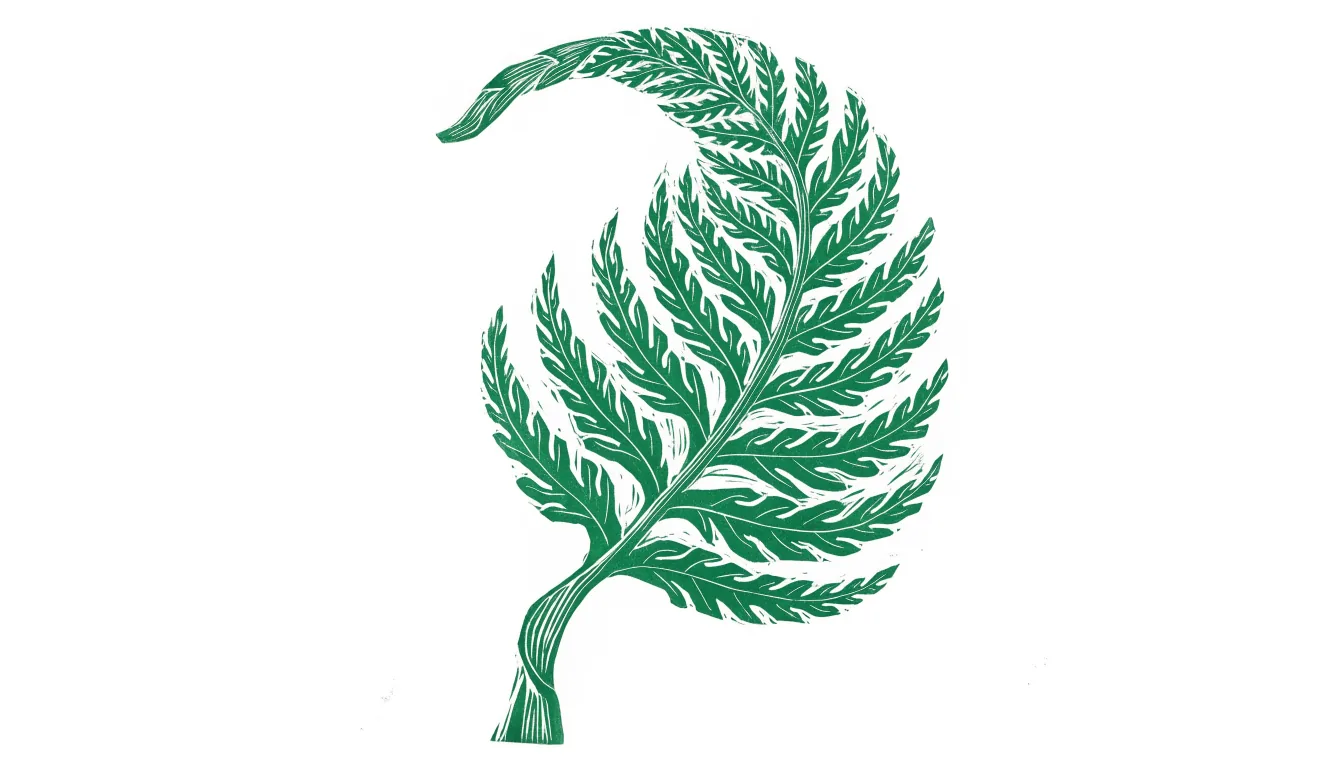
Chincho is a pungent Peruvian herb, Tagetes elliptica, used in ají sauces, stews and the seasoning pastes of the southern Andes, and it is a close relative of huacatay rather than of any European herb.
This article is short, and the reason is stated rather than padded around. Chincho has thin English-language coverage and almost no United States retail presence, so there is less to say honestly than there would be about a herb with a supply chain.
What chincho actually is
Chincho is a herb in the Tagetes genus, the same genus as marigolds and as huacatay, grown and used in the Peruvian Andes.
It is not related to European herbs at all. Tagetes is in the daisy family, and chincho’s nearest kitchen relative is huacatay rather than mint, oregano or coriander despite what any of those comparisons might suggest.
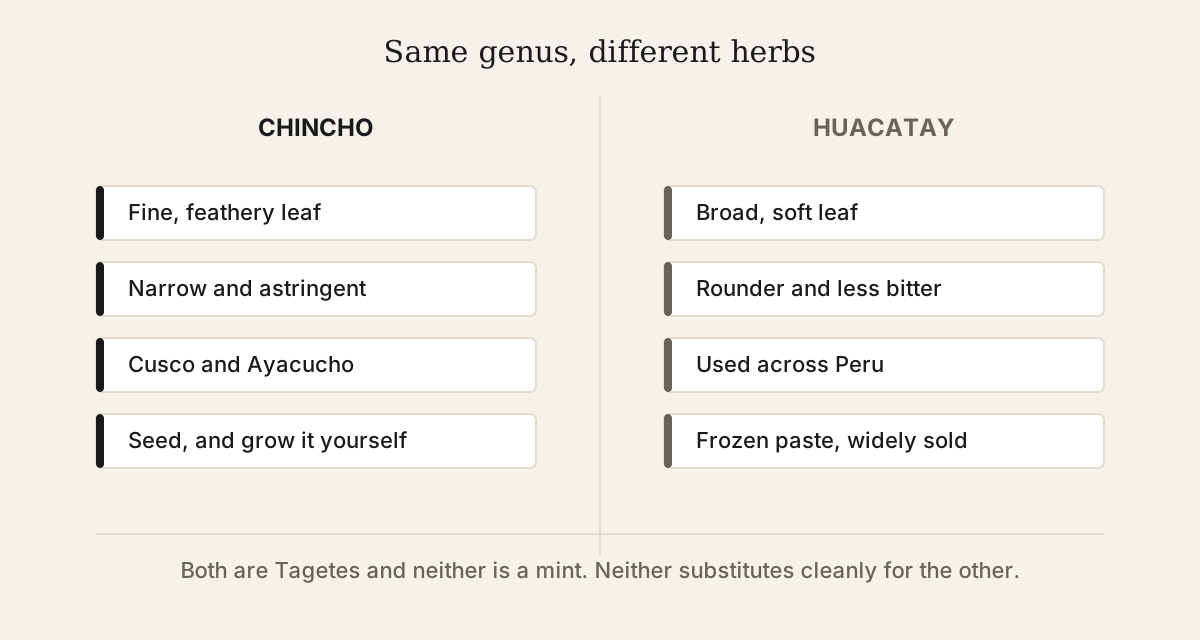
The leaves are fine and feathery, closer to a marigold leaf than to the broad soft leaf of huacatay.
It is used fresh far more often than dried, which is the practical reason it does not travel.
Regional names vary. It appears as chincho, chinchu and wakatay chico across different Andean regions, and the naming is not consistent enough to be a reliable identifier on its own.
What it tastes of
Chincho is sharper and more resinous than huacatay, with a bitter edge that does not soften much on cooking.
The dominant register is pungent and green, in the same family as huacatay’s black mint character but narrower and more astringent.
There is a distinct bitterness that is part of the point rather than a defect, and it is what balances fat in the stews it goes into.
A little goes a long way. It overwhelms a sauce far faster than coriander or parsley would.
It is not a substitute for huacatay and huacatay is not a substitute for it, though cooks who have neither often reach for whichever they can find.
Where it belongs
Chincho belongs in southern Peruvian cooking, in ají-based sauces, in stews and in the seasoning pastes that start a dish.
Ají sauces are the most common use, where it goes in alongside or instead of huacatay.
Stews and soups from the Cusco and Ayacucho regions use it as a background herb rather than a garnish.
It is cooked more often than it is served raw, which separates it from the finish herbs like coriander and culantro.
It is regional within Peru rather than national. A Lima kitchen is far more likely to reach for huacatay.
The two preparations that actually call for it
Two southern Peruvian preparations name chincho specifically rather than treating it as one green herb among several, and they are the reason the plant is still grown.
Uchucuta is the clearest case. The Andean sauce of ground ají with herbs takes chincho as a principal aromatic, and its bitterness is what distinguishes an uchucuta from the smoother coastal chile sauces. A version made with huacatay alone is rounder and reads as a different sauce.
Pachamanca marinades use it alongside huacatay and ají panca. Meat cooked buried with hot stones is seasoned with all three before it goes into the ground, and chincho supplies the sharp note against the resin of the huacatay and the fruit of the panca.
Both are cooked applications, which is consistent with the herb being used in the pot rather than scattered at the table.
Both come from the southern highlands, Cusco and Ayacucho in particular, which is the same territory the herb itself belongs to.
Growing it
Chincho grows readily from seed as an annual and is the only reliable way to obtain the fresh herb outside Peru.
It germinates easily, as Tagetes species generally do, and needs no special treatment.
A sunny position and free-draining soil suit it, and a large pot is sufficient.
Pinch the growing tips to keep the plant bushy rather than leggy, which increases the leaf yield.
Harvest before flowering for the strongest leaf, since the plant puts its energy into blooms afterwards.
It self-seeds in a warm garden and will return, which is worth knowing before choosing where to put it.
Buying it in the United States
Fresh chincho is effectively unavailable in United States retail, and the dried and frozen forms are scarce.
Checked on 13 August 2026, a United States search for the term returned seed listings, botanical references and Peruvian recipe publishers on the first page. Counting rule: a result counts as a seller when it offers the culinary herb, fresh, frozen or dried, for purchase. On that rule, first-page sellers of the herb were absent, while seed for growing it was available. That describes that search on that date rather than recommending any seller.
Seed is the realistic route for anyone who wants the actual plant, since Tagetes species grow readily in a pot.
Frozen huacatay paste is widely available and is the substitution most people end up making, with the caveat above that it is a different herb.
Substituting, honestly
There is no clean substitute for chincho, and the nearest approximation is huacatay used sparingly.
Huacatay is the closest, being the same genus and sharing the pungent green register, though it is rounder and less bitter.
A small amount of huacatay plus a little flat-leaf parsley gets marginally closer by adding back some green astringency, and this is an approximation rather than an equivalence.
Do not substitute mint. The English gloss of huacatay as black mint has misled a great deal of English-language writing, and neither herb is a mint.
Where a recipe calls for chincho specifically and you have none, the honest options are to use huacatay and accept a different dish, or to cook something else.
Storage
Fresh chincho keeps a few days refrigerated, and freezing is the practical method for anyone growing it.
Wrap fresh stems loosely and keep them in the refrigerator, where they behave like any soft herb.
Freeze as a paste rather than as whole leaves. Blended with a little neutral oil and frozen in small portions is how huacatay is handled commercially and it works the same way here.
Dried chincho loses most of what makes it worth using. The volatile compounds that carry the pungency do not survive drying well.
Frequently asked questions
Is chincho the same as huacatay?
No, chincho and huacatay are different species in the same genus, Tagetes, and they taste noticeably different. Chincho is sharper, more resinous and more bitter, with finer feathery leaves. Huacatay is rounder and broader-leafed. Cooks substitute one for the other out of necessity rather than because they are equivalent.
Can I grow chincho at home?
Yes, and for most people outside Peru it is the only realistic way to get it. Tagetes species germinate readily and grow well in a pot in a sunny position, and seed is easier to obtain in the United States than the culinary herb is. It behaves like an annual in most temperate climates.
Is chincho a kind of mint?
No, chincho is in the daisy family, Asteraceae, and is unrelated to mint. The confusion comes from huacatay being marketed in English as black mint, which is a description of its aroma rather than a botanical statement, and the same loose comparison then gets applied to chincho.
Why can I not find chincho in Latin markets?
Because it is regional within Peru rather than national, it is used fresh far more than dried, and fresh soft herbs from the Andes do not have an export chain into United States retail. Even well-stocked Peruvian grocers in the United States typically carry huacatay paste and not chincho in any form.
What does chincho do in an ají sauce?
Chincho adds pungency and a bitter green edge to an ají sauce, cutting the fat and the chile fruit, working as a counterweight rather than as the main flavour. Used heavily it takes the sauce over, which is why recipes calling for it usually specify a small quantity.
The pairing
“Valicha”, Miguel Ángel Hurtado, 1945, Peru.
Regional. A huayno from Cusco, the region where chincho is domestic, and the best-known song to come out of that part of the Andes.
We write about seasoning preparations across Latin America, what separates the regional variants, and where to buy them in the United States.