Culantro: The Long-Leafed Herb That Is Not Cilantro
Stronger, tougher and a different plant from coriander. Where it belongs, how to buy it, and why the names confuse everyone.
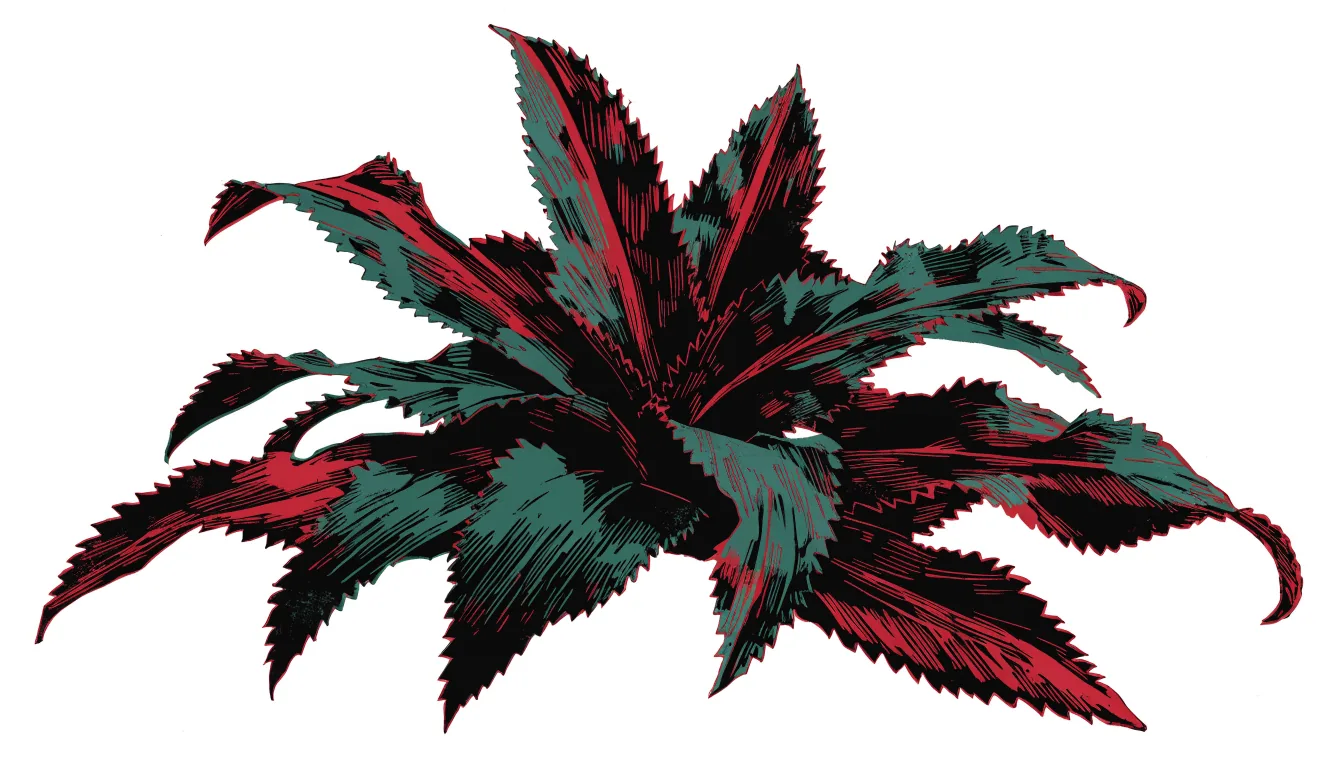
Culantro is a long, serrated-leafed herb with a flavour like a concentrated coriander, and it is a different plant from cilantro despite the near-identical names. It is tougher, considerably stronger, and it survives cooking where coriander does not.
The naming is the whole problem. Two plants, two nearly identical Spanish words, and a great many English-language recipes that treat them as one.
What culantro actually is
Culantro is Eryngium foetidum, a low-growing plant with long serrated leaves in a rosette, native to the Americas and used across the tropics. It is in the carrot family alongside coriander, and it is a different genus and species.
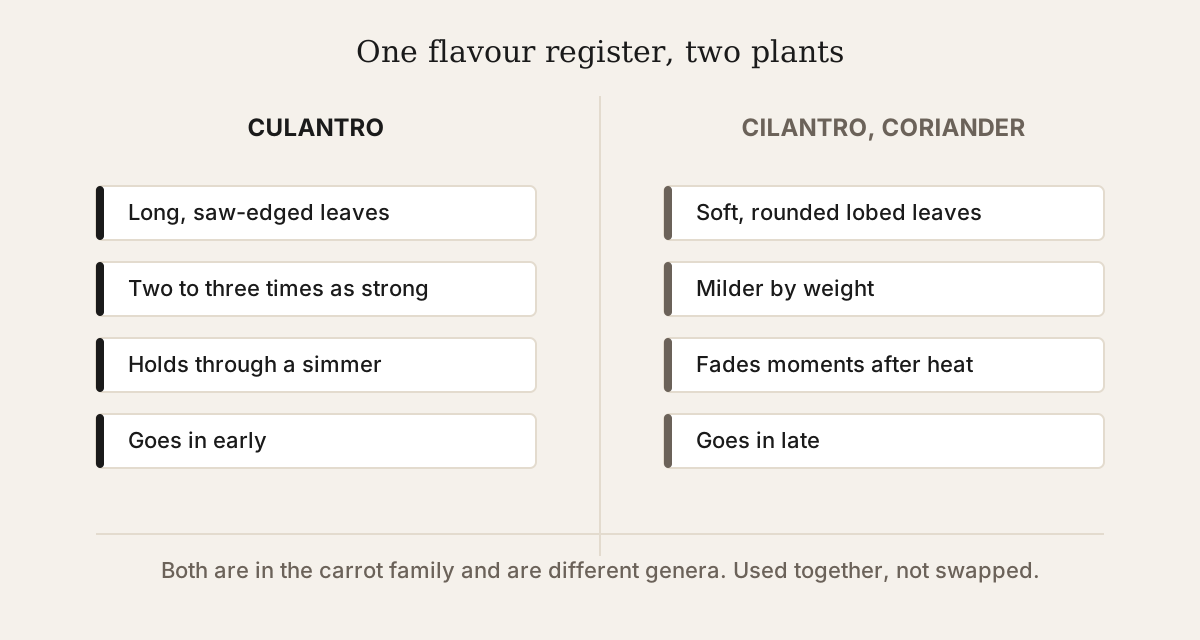
The leaf tells you immediately. Cilantro has soft rounded lobed leaves on thin stems. Culantro has long, flat, saw-edged leaves growing in a flat rosette from the base, closer in appearance to a dandelion than to a coriander plant.
It is much stronger. Most cooks find culantro two to three times the intensity of coriander by weight, which is why recipes use it in smaller quantities.
It survives heat. This is the practical difference that matters most. Coriander loses its character within moments of hitting a hot pan; culantro holds up through simmering, which is why it appears in cooked bases and stews.
The names, and the confusion they cause
Culantro and cilantro differ by one letter in Spanish and the plants are frequently substituted for one another without comment.
It carries other names too. Recao in some Spanish-speaking kitchens, ngo gai in Vietnamese, sawtooth herb or long coriander in English, shado beni in Trinidad.
The name overlap is not the only confusion. Culantro is also occasionally confused with quilquiña and papalo, which are different plants again, from the marigold family, used in Bolivian and Mexican cooking respectively.
Three plants, three families, one flavour register. Coriander in the carrot family, culantro also in the carrot family but a different genus, and papalo or quilquiña in the daisy family. All read as pungent and green and none substitutes cleanly for the others.
This is the third naming accident on this site, after Mexican oregano and huacatay, and they follow the same pattern: a familiar word attached to an unfamiliar plant and never corrected.
Where it belongs
Culantro belongs in cooked preparations and in sauces where its intensity is wanted.
In bases it holds through the cooking where coriander would vanish, which is why it appears in sofrito-family preparations across the Caribbean coast and Central America.
In sauces it goes into some ají preparations, generally in small quantity alongside coriander rather than instead of it.
In soups and stews it can be added early, which is impossible with coriander.
Where it does not belong is anywhere the fresh, delicate lift of coriander is the point. A salsa finished with culantro tastes heavy and slightly medicinal where coriander would taste bright.
Buying it in the United States
Fresh culantro is stocked by Latin American and Southeast Asian grocers, and it is more available than most herbs on this site.
Checked on 13 August 2026, the first page of United States results for culantro returned reference material, a cooking publisher and plant nurseries rather than a dominant retail category, which describes that search on that date rather than recommending any seller. The nursery presence reflects that culantro is commonly grown at home.
Look in the Southeast Asian aisle as well as the Latin one. It is sold as ngo gai or sawtooth herb and is often cheaper and fresher there, since Vietnamese cooking uses it in quantity.
It is easy to grow and tolerates shade better than most herbs, which is unusual and useful. Seed is widely sold.
Dried culantro exists and is poor. It loses most of its character, as almost all fresh herbs do.
Handling it
Chop it finer than you would coriander, and use less than the quantity a coriander recipe specifies.
The leaves are tough and the serrated edges are fibrous, so a coarse chop leaves unpleasant strands. Fine chopping or a quick blitz solves it.
Start at about a third of the coriander quantity and adjust. Substituting one for one is the most common error and produces something overwhelming.
Add it early where coriander would go late. That inversion is the practical payoff of using it at all.
Cooking with it, and the inversion that matters
Culantro goes in early where coriander goes in late, and that single inversion is the practical reason to keep it in the kitchen at all.
Coriander is a finishing herb because its aromatic compounds are volatile and heat drives them off within moments. Anyone who has stirred coriander into a simmering pot and tasted nothing five minutes later has seen this.
Culantro is a cooking herb. Its compounds are less volatile and its leaf is far tougher, so it holds through a simmer and continues to contribute after twenty minutes in a pot. That is why it appears in cooked bases across the Caribbean coast and Central America while coriander appears at the table.
The two are frequently used together for exactly this reason, culantro early for depth and coriander late for lift. A dish using only one is choosing between depth and freshness rather than getting both.
Quantity scales with the cooking. In a long simmer, culantro fades eventually and can take a slightly larger hand than its raw intensity suggests. In a raw preparation the reverse applies and a light hand is essential.
Stems are usable. Unlike coriander stalks, which are tender and go in freely, culantro’s central rib is fibrous and worth removing from the larger leaves before chopping.
Buying the plant rather than the leaf
Culantro is sold as a live plant in Latin American and Asian nurseries far more often than most herbs, and buying one solves the supply problem permanently.
It is a biennial that self-seeds readily. A single plant left to flower will populate a pot indefinitely, which is not true of coriander, and this is the practical reason it is worth growing rather than buying.
It tolerates heat that makes coriander bolt. Where coriander runs to seed within weeks of a hot spell, culantro keeps producing leaf through a full summer, which is the whole reason tropical cooking adopted it.
Cut the outer leaves and leave the crown. The plant grows as a rosette and regrows from the centre, so harvesting whole is unnecessary.
Storage
Refrigerated wrapped in slightly damp paper in a bag, culantro keeps a week to ten days, which is considerably longer than coriander.
Its toughness works in its favour here. Where coriander wilts and turns to slime within days, culantro holds its structure.
It freezes acceptably, which coriander does not. Chop and freeze in oil or water in a tray, and use it from frozen in cooked dishes.
Yellowing leaves should be discarded and the rest of the rosette is usually fine.
Frequently asked questions
Is culantro the same as cilantro?
No, culantro and cilantro are different genera in the same family, Eryngium foetidum against Coriandrum sativum, with different leaves and very different intensity. The names differ by one letter in Spanish, which is the source of most of the confusion. Culantro is two to three times stronger by weight and survives cooking, which coriander does not.
Can I substitute cilantro for culantro?
In a raw preparation, using roughly three times as much, and accepting a lighter and less pungent result. In a cooked one the substitution largely fails, because coriander’s character disappears within moments of heat while culantro’s whole advantage is that it holds. If a recipe adds the herb early, it means culantro.
What is recao?
Another name for culantro, used in several Spanish-speaking kitchens. The same plant also goes by ngo gai in Vietnamese, sawtooth herb or long coriander in English, and shado beni in Trinidad. The multiplicity of names is part of why the plant is so often confused with coriander in English-language writing.
Can I grow culantro?
Yes, culantro is easy to grow, and easier than most culinary herbs. It tolerates shade better than nearly anything else in the herb garden and it is a low rosette rather than a tall plant. Seed is widely sold. It will bolt in strong heat, and cutting the flower stalks keeps it producing leaves for longer.
Is culantro the same as papalo or quilquiña?
No, culantro is not papalo or quilquiña, and this is a separate confusion. Papalo and quilquiña are the same plant as each other, Porophyllum ruderale, in the daisy family, used in Mexican and Bolivian cooking. Culantro is in the carrot family. All three are pungent green herbs in the same general register, and none substitutes cleanly for the others.
The pairing
“Pueblito Viejo”, Garzón y Collazos, 1958, Colombia.
Lyrical. A song about the ordinary place everything was built on, which suits a herb that turns up in the base of a great many dishes and is almost never the thing anyone names.
We write about seasoning preparations across Latin America, what separates the regional variants, and where to buy them in the United States.