Hoja Santa: The Big Leaf That Tastes of Anise
A large heart-shaped leaf used as a wrapper and a seasoning in southern Mexico. What it tastes of, how it is used, and the safrole question stated honestly.
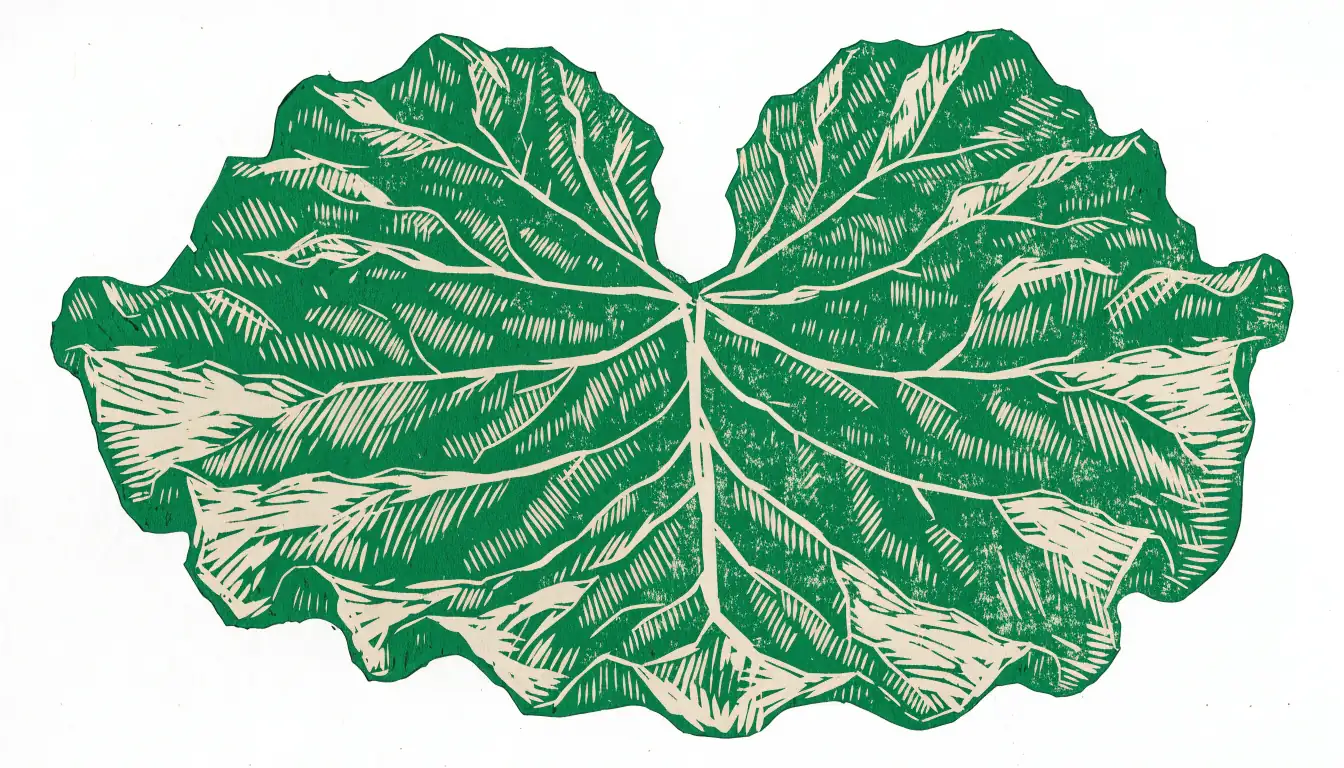
Hoja santa is a large heart-shaped leaf from Piper auritum, used in southern Mexican cooking both as a wrapper for steaming and as a chopped seasoning, tasting strongly of anise and sassafras.
It is a leaf used at the scale of a plate, sometimes twenty to thirty centimetres across, which is unusual enough to be the first thing anyone notices about it.
Coverage of Mexican ingredients on this site is researched rather than first-hand, written from published sources and supplier documentation.
What hoja santa is
Hoja santa is the leaf of Piper auritum, a relative of the black pepper vine, growing as a large shrub in humid southern Mexico and Central America.
The name means sacred leaf, and it also travels as acuyo, momo and yerba santa depending on the region.
Leaves reach twenty to thirty centimetres and are velvety on the underside.
It is in the pepper family, Piperaceae, and unrelated to anise or fennel despite what it tastes of.
It grows readily in warm climates and is sold as a garden plant in parts of the southern United States.
What it tastes of
Hoja santa tastes of anise and sassafras, with eucalyptus, black pepper and mint underneath.
Anise is the dominant note and is what most people identify first.
Sassafras is the closer comparison, and the reason is chemical: both plants contain safrole.
There is a peppery edge consistent with its botanical family.
Younger leaves are milder, older ones more assertive and slightly bitter.
Cooking softens it considerably, and a leaf used as a wrapper perfumes its contents rather than dominating them.
The two ways it is used
Hoja santa is used whole as a wrapper and chopped as a seasoning, and the two produce quite different results.
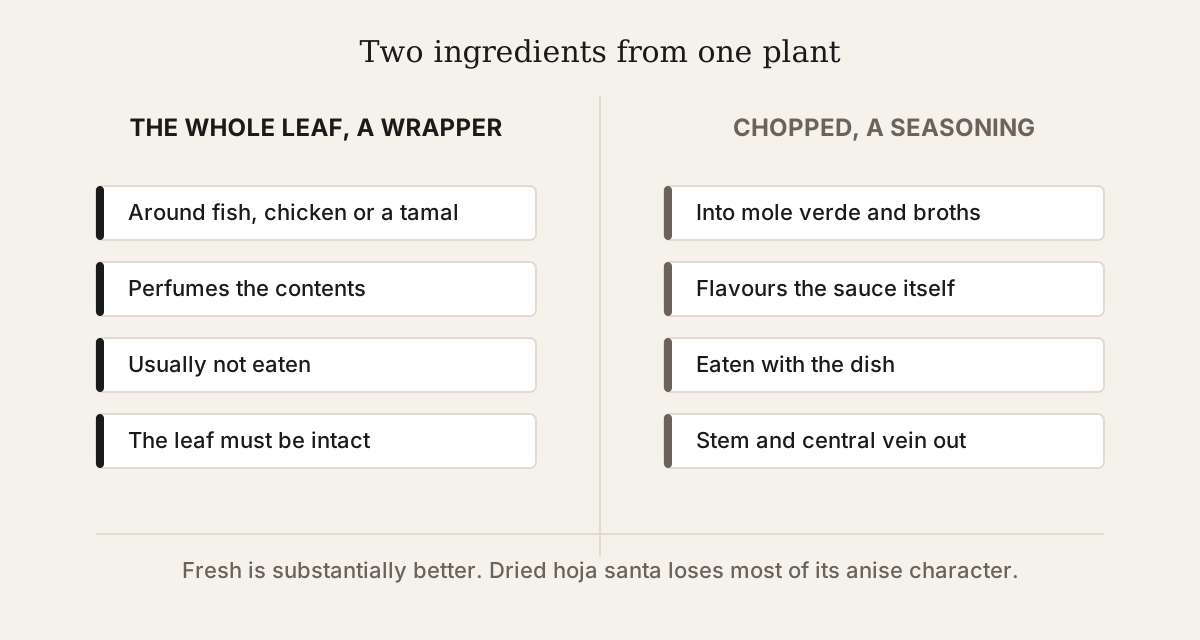
As a wrapper, a whole leaf is wrapped around fish, chicken or a tamal and steamed or grilled. The leaf perfumes the contents and is usually not eaten.
As a seasoning, the leaf is chopped or blended into sauces, most importantly mole verde.
In tamales, particularly Oaxacan ones, it lines the wrapper alongside or instead of banana leaf.
With cheese, wrapped around fresh cheese and grilled, which is a common Oaxacan preparation.
The stem and central vein are removed for the seasoning use, since they are tough and more bitter.
Where it belongs
Hoja santa belongs in Oaxacan, Veracruz and Tabasco cooking, and above all in mole verde.
Mole verde is the flagship, where hoja santa is one of the defining herbs alongside epazote and coriander.
Fish and seafood take it as a wrapper, which suits the coastal regions where it grows.
Tamales use it as a liner and a seasoning.
Soups and broths take a chopped leaf.
It is not used raw in salads or as a garnish, being too strong and too large.
The safrole question, stated plainly
Hoja santa contains safrole, the compound that led to sassafras being restricted as a food additive in the United States, and the culinary use of the leaf is traditional and long-standing.
Safrole is present in the leaf’s essential oil.
The United States restricted safrole as an added food ingredient decades ago, which concerned concentrated extracts and sassafras oil rather than whole leaves used as seasoning.
Hoja santa leaves are sold and eaten in Mexico and the United States, and this site does not evaluate the toxicological question or offer a safety judgement.
What is reportable is that the compound is present, that the restriction concerned concentrates, and that the traditional culinary use is of the whole leaf in modest quantity.
The names it travels under
Hoja santa is sold under at least five names across southern Mexico and Central America, and they all refer to the same leaf.
Acuyo is the usual name in Veracruz and Tabasco.
Momo is used in Chiapas and parts of Guatemala.
Tlanepa and yerba santa both appear, the latter also naming an unrelated Californian plant, which is a genuine homograph rather than a variant.
Mexican pepperleaf is the occasional English rendering and is rarely seen on packaging.
A recipe naming any of these wants the same leaf, and a seller using a regional name is not selling something different.
Buying it
Fresh hoja santa is sold by Mexican grocers in warm regions and online, and dried is more widely available and much weaker.
Checked on 13 August 2026, a United States search for the term returned plant nurseries, specialty grocers and recipe publishers on the first page. Counting rule: a result counts as a seller when it offers hoja santa leaves or plants for purchase. Sellers were present on that rule, which describes that search on that date and is not a recommendation of any seller.
Fresh is substantially better. Dried hoja santa loses most of its anise character.
Plants are widely sold in the southern United States and it grows vigorously.
Frozen leaves are sold by some importers and hold up better than dried.
Check the leaves are intact. Torn leaves are fine for chopping and useless as wrappers.
Storage
Fresh leaves keep about a week refrigerated, freeze well, and dry poorly.
Wrap fresh leaves in a damp cloth and refrigerate.
Freeze flat between sheets of parchment, which preserves both flavour and the leaf’s usability as a wrapper.
Drying loses most of the aroma, which is why dried hoja santa disappoints anyone who has used fresh.
They discolour before they spoil, and a slightly blackened edge is not a reason to discard the leaf.
Frequently asked questions
What does hoja santa taste like?
Strongly of anise, with sassafras, eucalyptus, black pepper and mint underneath. The sassafras comparison is the most accurate, and it is not a coincidence: both plants contain safrole. It is in the pepper family and unrelated to anise or fennel despite the resemblance.
Is hoja santa safe to eat?
It contains safrole, the compound that led the United States to restrict sassafras as an added food ingredient, and that restriction concerned concentrated extracts and oils rather than whole leaves. The leaves are sold and eaten traditionally in modest quantity. This site reports that position rather than offering a safety judgement, and specific concerns belong with a clinician.
Can I substitute something for hoja santa?
Not closely. A combination of fennel fronds and a little fresh tarragon covers some of the anise direction. Avocado leaf is the substitution most often suggested in Mexican cooking and it is milder and more anise-clean. Neither reproduces the eucalyptus and pepper notes.
Do you eat the leaf when it is used as a wrapper?
Usually not. A leaf wrapped around fish or a tamal is there to perfume the contents during cooking and is generally unwrapped and set aside, in the same way a banana leaf is. Chopped hoja santa used as a seasoning is eaten.
Can I grow hoja santa?
Yes, readily, in a warm climate or a large pot brought in for winter. It is sold as a plant across the southern United States and grows vigorously, reaching shrub size. Given how much better fresh leaves are than dried, growing it is the most reliable supply for anyone who cooks with it often.
The pairing
“La Llorona”, traditional son istmeño, arranged 1940s, Mexico.
Regional. A son from the Isthmus of Tehuantepec in Oaxaca, the humid southern region where this leaf grows large and goes into mole verde.
We write about seasoning preparations across Latin America, what separates the regional variants, and where to buy them in the United States.