Morita Chile: The Smaller, Fruitier Chipotle
A smoked red jalapeño smoked for less time than a meco. What separates the two chipotles, and why morita is the one in the tin.
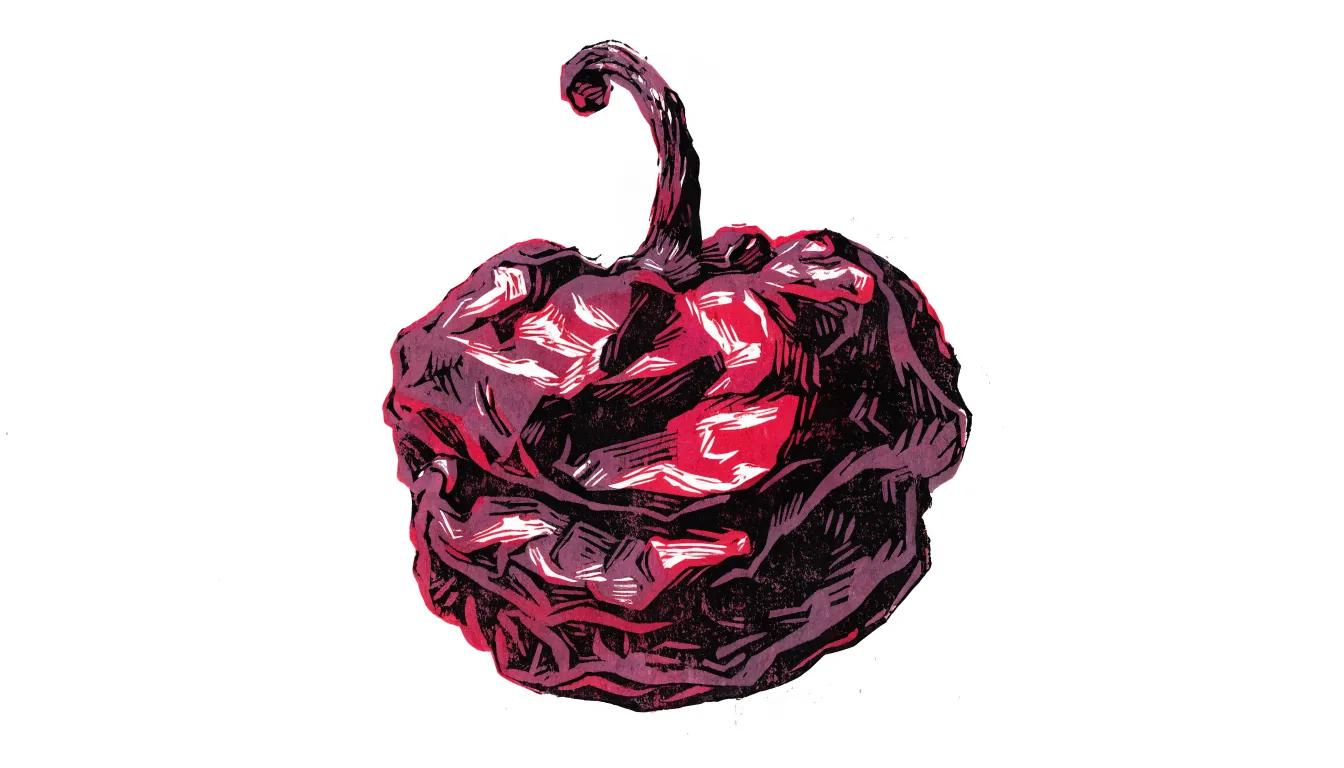
Morita is a smoked dried jalapeño, small, dark purplish red and pliable, with a fruity smokiness and moderate heat.
It is one of the two chipotles, the other being the meco, and morita is the one most tins of chipotles in adobo contain.
Coverage of Mexican ingredients on this site is researched rather than first-hand, written from published sources and supplier documentation.
What morita is
Morita is a red-ripened jalapeño smoked for a relatively short time and left slightly soft.
Morita means little mulberry, describing the dark purplish red colour.
It is smaller than a meco, roughly three to five centimetres.
It stays pliable rather than drying to brittleness, because it is smoked for less time and retains more moisture.
The colour is dark red to purple-brown, not the tan or grey of a meco.
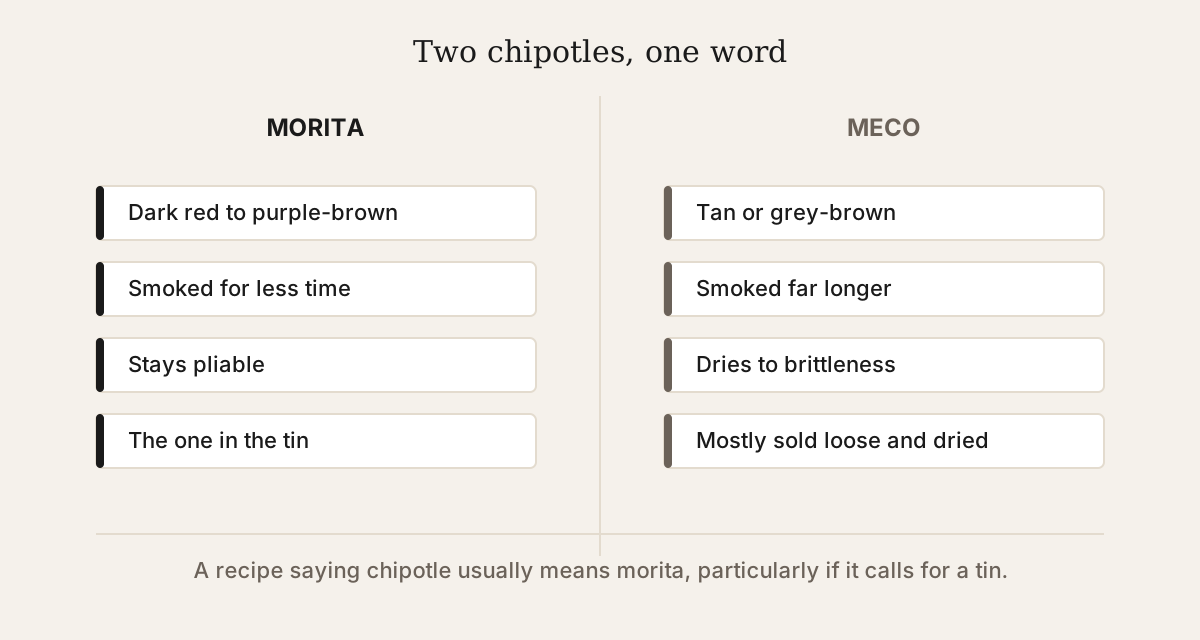
Morita against meco
The two chipotles differ in smoking time, and everything else follows from that.
| Morita | Meco | |
|---|---|---|
| Colour | dark purplish red | tan to grey-brown |
| Smoking | shorter | longer |
| Texture | pliable, slightly soft | dry, leathery |
| Flavour | fruity, smoky | intensely smoky, drier |
| Usual form | tinned in adobo | sold dry |
Morita is the one in the tin, which is why most people have eaten it without knowing the name.
Meco is the connoisseur’s chipotle in Mexican usage and is harder to find outside Mexico.
A recipe saying chipotle without qualification most often means morita, particularly if it calls for a tin.
What it tastes of
Morita is smoky and fruity with a clear jalapeño character underneath and moderate heat.
The smoke is present without dominating, which distinguishes it from meco.
Cherry and raisin are the fruit notes usually named.
Heat is moderate, roughly 5,000 to 10,000 Scoville units, in the jalapeño range concentrated by drying.
It is sweeter than meco, which is a function of both the shorter smoking and the retained moisture.
Where it belongs
Morita belongs in salsas, in adobos, in braises and anywhere smoke is wanted alongside heat.
Salsa de morita is a standard table salsa, toasted and blended with tomatillo or tomato.
Adobos take it for smoke.
Braises and stews use it whole and remove it, or blended in.
It is the chile in most tinned chipotles in adobo, which is its most common form outside Mexico.
Using it
Toast very briefly, rehydrate, and remember it is already a concentrated product.
Toast for a second or two. Morita is small and already smoked, and over-toasting adds acrid notes on top of the smoke.
Rehydrate fifteen minutes.
It blends smoothly, being relatively thin-fleshed.
A little is enough. One or two moritas season a salsa; four will make it a smoke bomb.
Why the smoke is in the pod rather than added
Morita’s smoke comes from the drying process itself, which is what separates it from a chile flavoured with smoke afterwards.
The pod is smoke-dried rather than sun-dried. Ripe red jalapeños are held over smouldering wood until the moisture is gone, so the smoke enters the flesh over hours rather than sitting on the surface.
That is the whole definition of a chipotle. Chipotle is not a variety of chile; it is a jalapeño that has been smoke-dried, and morita is one of the two forms that process produces.
Liquid smoke does not reproduce it. A pod that has taken smoke slowly while drying tastes layered where an added smoke flavouring tastes flat and sits on top.
The fruit survives because the smoking is shorter. Morita is pulled sooner than meco, which is why it keeps a berry sweetness that the longer-smoked pod has lost.
Judge smoke by depth rather than strength. A good morita smells of wood and fruit together; one that smells only of smoke has usually been dried too hard.
Buying it
Look for pliable, dark, unbroken pods with a strong smoky smell.
Pliability is correct here, unlike most dried chiles where brittleness is merely age. A rock-hard morita has been dried too far or is actually a meco.
Smell it. Real morita smells of wood smoke, not just of chile.
Checked on 13 August 2026, a United States search for the term returned spice retailers and recipe publishers on the first page. Counting rule: a result counts as a seller when it offers morita chiles for purchase. Sellers were present on that rule, which describes that search on that date and is not a recommendation of any seller.
Storage
Airtight and dark, six to twelve months, and its residual moisture means it needs a dry container.
Because it holds moisture it can mould if stored damp, unlike brittle chiles.
Freezing suits it well.
Keep it separate from unsmoked chiles, since the smoke transfers.
Frequently asked questions
Is morita the same as chipotle?
Morita is one of two chipotles. Chipotle is the general term for a smoke-dried ripe jalapeño, and the two named types are morita and meco. Since morita is what most tins and most retail bags contain, chipotle and morita are used interchangeably in practice outside Mexico.
What is the difference between morita and meco?
Smoking time and everything that follows from it. Morita is smoked for less time, stays dark red and pliable, and tastes fruitier. Meco is smoked longer, dries to tan or grey and leathery, and is more intensely smoky. Morita is common in export markets and meco is not.
How hot is morita?
Moderate, roughly 5,000 to 10,000 Scoville units. It is a jalapeño concentrated by drying, so it is hotter than the fresh chile and mild by the standards of chile de árbol or habanero.
Can I use morita instead of tinned chipotles in adobo?
For the chile itself yes, and you will be missing the adobo. The tin’s sauce contributes vinegar, tomato and aromatics that a dried morita does not. Rehydrating morita and adding a little vinegar and tomato gets closer.
Why is my morita hard and grey?
It is probably a meco rather than an old morita. Meco is naturally dry, leathery and tan to grey, and the two are sometimes sold interchangeably. Both are usable; the meco will be substantially smokier.
The pairing
“Volver, Volver”, Fernando Z. Maldonado, 1972, Mexico.
Regional. A ranchera made famous by Vicente Fernández, from the country where a tin of these sits in most kitchen cupboards.
We write about seasoning preparations across Latin America, what separates the regional variants, and where to buy them in the United States.