Puya Chile: Guajillo With Heat
Smaller and hotter than guajillo, with the same bright fruit. What puya is, when to reach for it instead, and why the two are sold side by side.
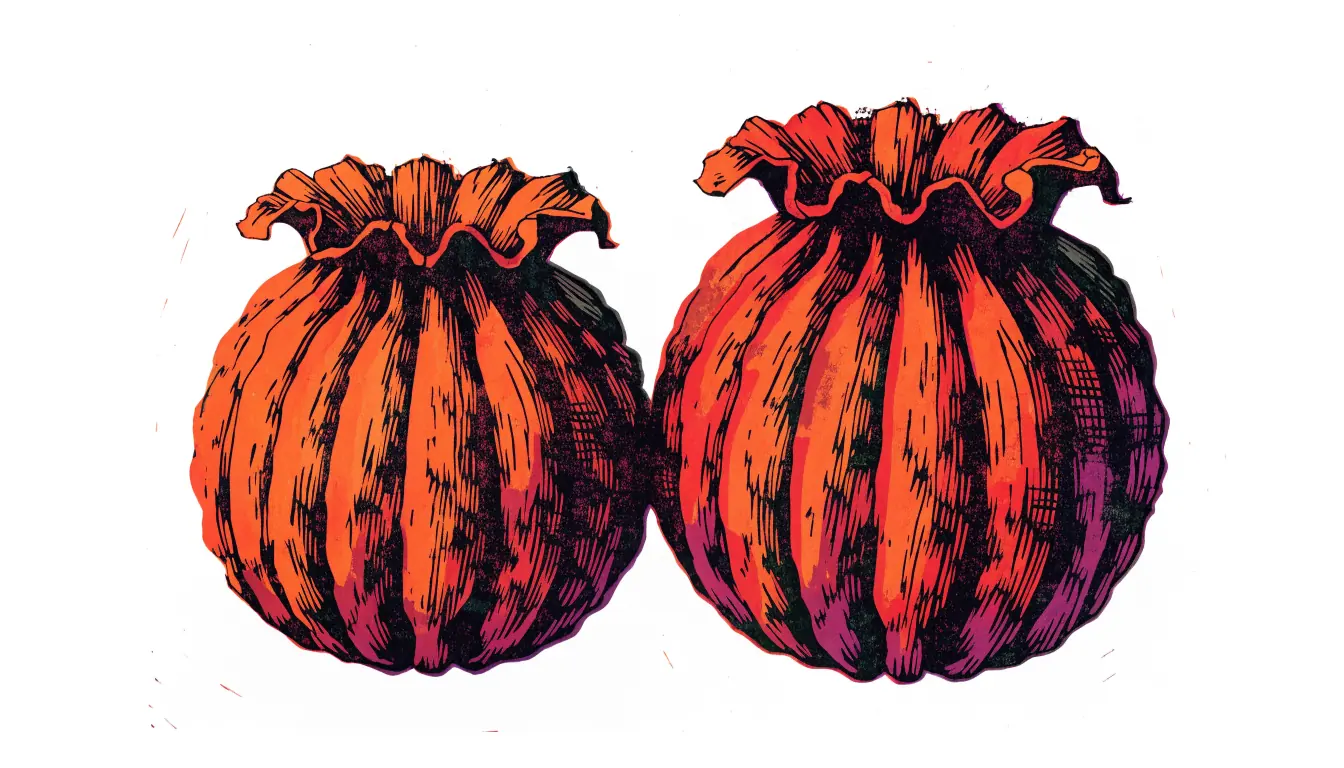
Puya is a small dried chile closely related to guajillo, sharing its bright red colour and fruity tang while carrying several times the heat.
It is the answer to wanting a guajillo sauce that actually bites, and it is sold under the names puya, guajillo puya and chile puya interchangeably.
Coverage of Mexican ingredients on this site is researched rather than first-hand, written from published sources and supplier documentation.
What puya is
Puya is a dried chile from the same family as guajillo, grown in central and northern Mexico, and shorter and narrower than its better-known relative.
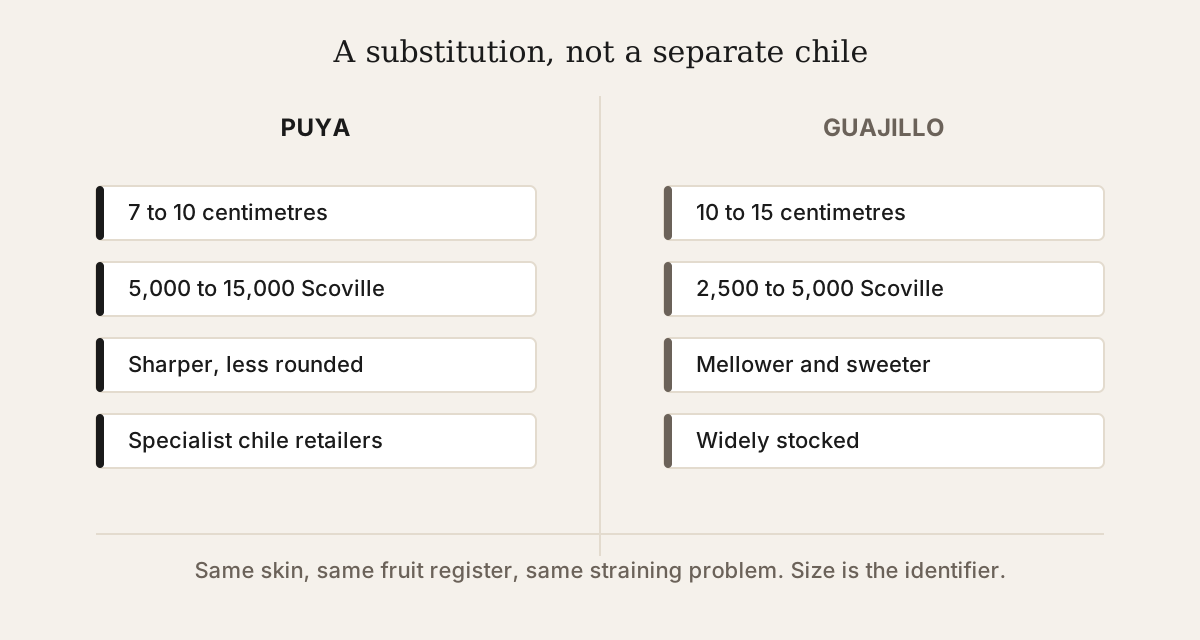
The pods are roughly 7 to 10 centimetres, noticeably smaller than a guajillo.
The skin is smooth and taut, the same as guajillo, and it holds a deep translucent red.
Held side by side the difference is size rather than colour or shape, which is why they are easy to confuse in a bin.
The name is used loosely. Guajillo puya, puya and chile puya all appear on labels for the same chile.
What it tastes of
Puya carries guajillo’s berry and green tea character with substantially more heat and a slightly sharper edge.
The fruit register is the same, which is what makes it a clean substitution.
Heat runs roughly 5,000 to 15,000 Scoville units, several times guajillo’s 2,500 to 5,000.
It is sharper and less rounded than guajillo, with less of the mellow sweetness.
It is still not a hot chile by the standards of chile de árbol, which sits well above it.
When to use it instead
Reach for puya when a guajillo-based sauce needs to be hotter without adding a different flavour.
Substitute pod for pod where you want a moderate lift in heat.
Substitute part of the guajillo rather than all of it for finer control, which is how most cooks use it.
It suits birria, pozole and adobos where guajillo is already the base chile.
It is not a substitute for chile de árbol, which brings much more heat and a nuttier, less fruity character.
The skin problem, again
Puya has the same tough skin as guajillo and needs the same straining.
Blending will not break it down. The skin stays leathery however long it soaks.
Strain through a fine sieve and press the solids, exactly as with guajillo.
Smaller pods mean proportionally more skin to flesh, so a puya sauce is if anything more in need of straining than a guajillo one.
Growing conditions and why it varies
Puya is grown across central and northern Mexico rather than in one region, and its heat varies noticeably by source.
Landrace cultivation means seed is saved and traded locally rather than standardised commercially.
Heat ranges widely between batches, which is why the published Scoville range for puya is broad rather than tight.
Colour is more consistent than heat. A batch that looks identical to the last one can be substantially hotter.
Taste one before scaling a recipe, particularly when cooking for other people, since the difference between a mild batch and a hot one is real.
Buying it
Look for pliable, taut, deep red pods, and check the size against a guajillo if both are stocked.
Pliable rather than brittle.
Size is the identifier. If pods labelled puya are the length of your hand, they are guajillo.
Checked on 13 August 2026, a United States search for the term returned spice retailers and recipe publishers on the first page. Counting rule: a result counts as a seller when it offers puya chiles for purchase. Sellers were present on that rule, which describes that search on that date and is not a recommendation of any seller.
It is less widely stocked than guajillo and specialist chile retailers are the reliable source.
Using it
Toast for seconds, rehydrate twenty minutes, blend and strain.
Toast briefly. Thin-skinned chiles scorch fast and burnt puya is bitter.
Seed it to moderate the heat, which matters more here than with guajillo.
Keep the soaking liquid, which like guajillo’s is usually pleasant rather than bitter.
Taste before committing. Heat varies batch to batch and puya’s range is wide.
Storage
Airtight and dark, six to twelve months, and the thin skin means it goes brittle before it goes bad.
Pliability is the freshness test.
Freezing extends it.
Buy in small quantities given it is used as an addition rather than a base.
Frequently asked questions
Is puya the same as guajillo?
They are closely related and not the same chile. Puya is smaller and several times hotter, at roughly 5,000 to 15,000 Scoville units against guajillo’s 2,500 to 5,000, while sharing the same bright red colour and berry character. Labels sometimes call it guajillo puya, which reflects the relationship accurately.
How much hotter is puya?
Roughly two to three times, though both chiles vary batch to batch. The practical approach is to replace some of the guajillo in a recipe with puya rather than all of it, then taste and adjust, since the ranges overlap at their edges.
Do I need to strain a puya sauce?
A puya sauce needs straining for the same reason a guajillo one does. The skin does not break down in a blender and leaves a texture that reads as grit. Smaller pods carry proportionally more skin, so straining matters slightly more here than with guajillo.
Can I use puya instead of chile de árbol?
Not really. Árbol is substantially hotter and carries a nutty, smoky character rather than puya’s bright fruit. If a recipe wants árbol heat, puya will leave it noticeably mild. If it wants guajillo flavour with more fire, puya is exactly right.
Why is it hard to find?
It is grown and traded in smaller volumes than guajillo and has never entered mainstream export the way ancho and guajillo have. Specialist chile retailers carry it reliably, general grocers often do not.
The pairing
“El Jarabe Tapatío”, Jesús González Rubio, 1924, Mexico.
Regional. The jarabe from Jalisco, one of the central Mexican states where this chile is grown, and the piece most identified with the country’s folk repertoire.
We write about seasoning preparations across Latin America, what separates the regional variants, and where to buy them in the United States.