Recado Rojo: The Yucatecan Red Paste Behind Cochinita Pibil
Ground achiote with oregano, cumin, garlic and sour orange. What is in a block, how to use it, and why it is not the same as ground achiote seed.
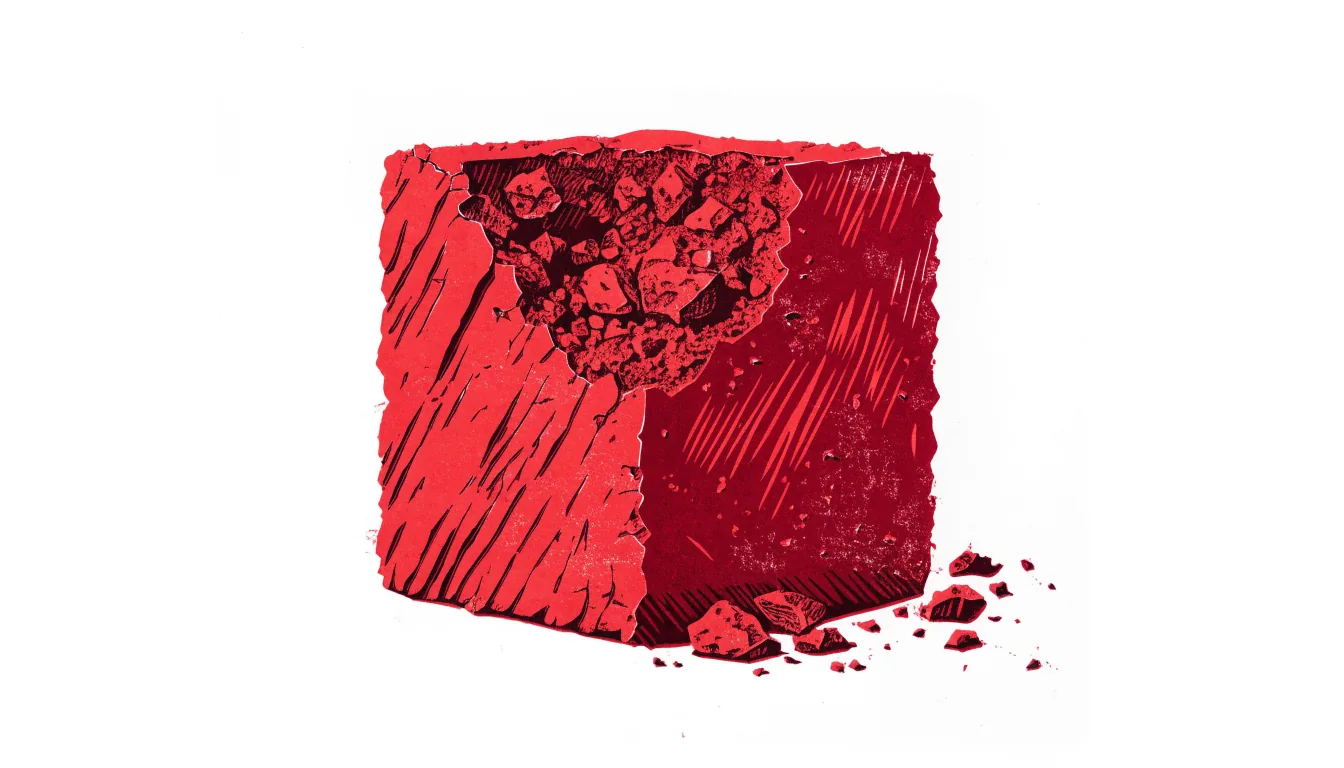
Recado rojo is the Yucatecan red seasoning paste of ground achiote seed with oregano, cumin, black pepper, garlic, allspice and sour orange, used to marinate meat before slow cooking.
It is the paste English-language recipes call achiote paste, and it is the seasoning that makes cochinita pibil what it is.
Coverage of Yucatecan preparations on this site is researched rather than first-hand, written from published sources and supplier documentation.
What is in it
Recado rojo is achiote seed ground with a fixed group of aromatics and an acid, compressed into a block or sold as a paste.
Achiote seed carries the colour and contributes very little flavour of its own.
Oregano and cumin carry most of the aroma. Mexican oregano, Lippia graveolens, rather than the Mediterranean plant.
Garlic, black pepper and allspice fill in underneath, with allspice being the component most often left out of export formulations.
Sour orange provides the acid, both for flavour and for keeping.
Salt is present and varies widely between a market block and a supermarket tub.
Cloves and cinnamon appear in some formulas and are regional and household preferences rather than requirements.
Why it is not ground achiote
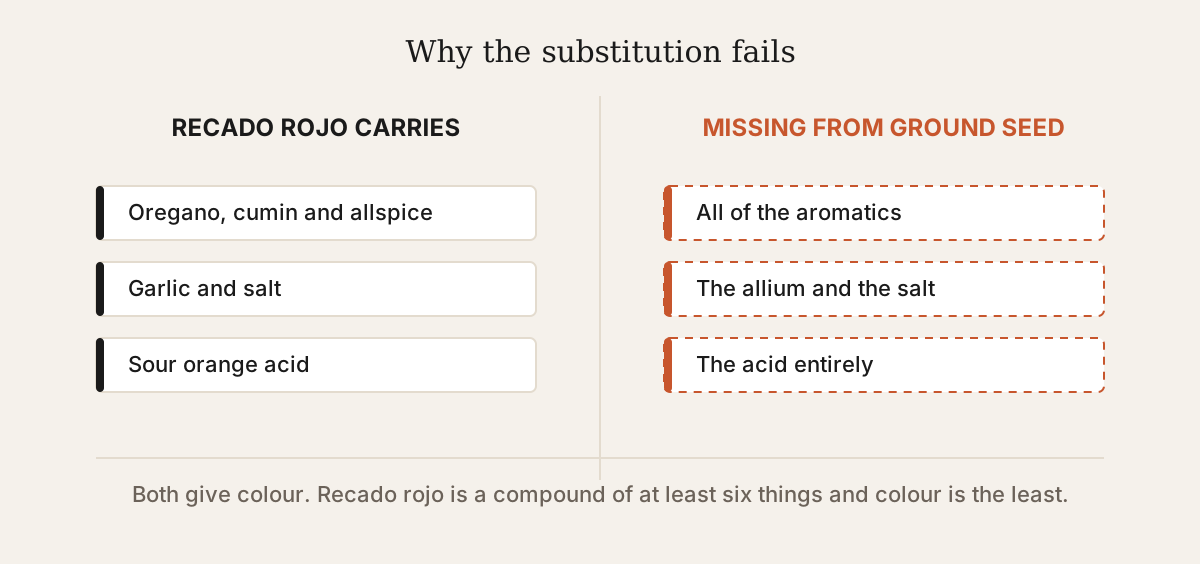
Substituting ground achiote seed for recado rojo gives colour and leaves out almost all of the seasoning.
Ground achiote is one ingredient. Recado rojo is at least six.
The acid is the component most missed. Sour orange does structural work in a pibil marinade that no amount of colour replaces.
This is the most common error made with the paste in English-language cooking, and it comes directly from the habit of calling recado rojo achiote paste, which makes it sound like a paste of achiote and nothing else.
How to use it
Dissolve the paste in sour orange juice, coat the meat thoroughly, and marinate for several hours before slow cooking.
Thin it first. A block or a stiff paste applied directly sits in patches and will not coat evenly.
Sour orange is the traditional liquid. Two parts orange juice to one part lime juice is the standard substitution where it is unavailable.
Marinate for at least four hours and overnight for pork shoulder.
It is always cooked. The raw garlic and the acid both need heat, and recado rojo is not a table sauce.
Wrap for pibil. Banana leaf is traditional for cochinita pibil and contributes its own flavour to the finished dish.
Buying it
Recado rojo is sold by Mexican importers and in Latin grocers, usually labelled achiote paste in English.
Checked on 13 August 2026, a United States search for the term returned importer listings and recipe publishers on the first page. Counting rule: a result counts as a seller when it offers the paste for purchase. Sellers were present on that rule, which describes that search on that date and is not a recommendation of any seller.
Yucatecan brands are closest to the regional standard.
Compare salt position on the ingredient panel. Some export tubs are considerably saltier than a market block.
Blocks keep better than tubs and are usually the better value if you cook this food regularly.
Storage
Refrigerated after opening, recado rojo keeps for months, and a dense block keeps longer than a soft paste.
The salt and acid are preservative.
It dries rather than spoils, and a hardened block rehydrates in sour orange or water.
Freezing works and suits anyone who cooks Yucatecan food occasionally.
It stains permanently. Achiote marks hands, boards, cloth and plastic.
Frequently asked questions
Is recado rojo the same as achiote paste?
In English-language recipes, yes, that is what achiote paste almost always means. The name is misleading because it suggests a paste made only of achiote, when recado rojo also contains oregano, cumin, garlic, black pepper, allspice, salt and sour orange. The colour is achiote and the flavour is mostly everything else.
Can I make recado rojo at home?
Yes, recado rojo can be made at home, though the achiote seed is the hard part, literally. The seed is very hard and needs a spice grinder or a long soak before it breaks down, and a mortar alone is slow. Everything else grinds easily. Starting from ground achiote rather than whole seed is a common and reasonable shortcut.
What if I cannot find sour orange?
Use two parts orange juice to one part lime juice. Sour orange is more aromatic and more bitter than that mixture, so the result is close rather than identical. Bottled sour orange is sold by Latin importers and is the better option where available.
Is recado rojo spicy?
No, recado rojo is not spicy. It contains no chile in most formulas. Achiote has no capsaicin and the aromatics are not hot. Cochinita pibil gets its heat from the habanero salsa served alongside it, not from the marinade.
How much do I use?
Roughly 100 grams of paste for a kilogram of pork is a common ratio, thinned with enough sour orange to make a coating marinade. Recados are concentrated and the usual first-attempt error is using too much rather than too little.
The pairing
“La Peregrina”, Ricardo Palmerín, 1923, Mexico.
Regional. A Yucatecan trova written in Mérida, from the state where this paste is domestic and where cochinita pibil is a Sunday institution.
We write about seasoning preparations across Latin America, what separates the regional variants, and where to buy them in the United States.