Sazón vs Adobo: Two Jars That Are Not the Same Thing
One is a coloured seasoning salt, the other a garlic and oregano blend, and both names mean something different depending on which country you are standing in.
Sazón and adobo are two different dry seasoning blends sold side by side in American supermarkets, and neither name means one fixed thing across Latin America.
In the jars most Americans encounter, sazón is a coloured seasoning salt built on annatto and coriander, and adobo is a garlic-forward salt blend with oregano. Both are Caribbean-influenced commercial products, and both names have older and broader meanings on the mainland.
What is in the commercial jars
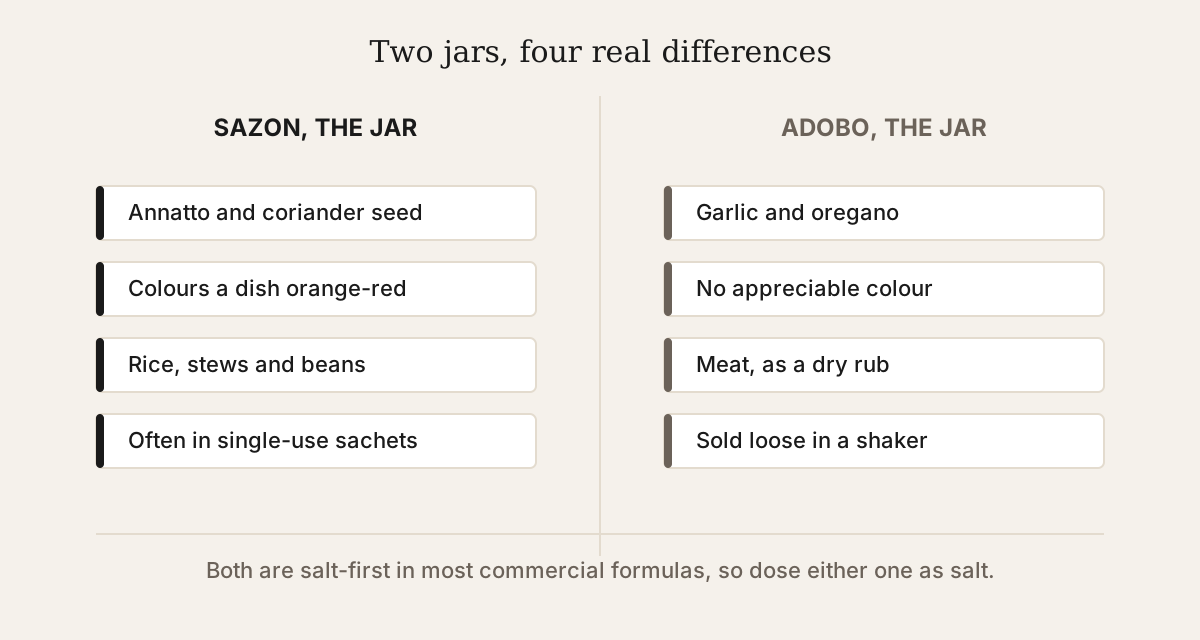
The two products differ in their dominant aromatics, their colour and what they do to a dish.
Sazón is built on annatto and ground coriander seed, with garlic, cumin and salt, and it colours whatever it touches orange-red. The colour is the point and is why it is used.
Adobo is built on garlic and oregano, with salt and often turmeric, black pepper and onion powder. It does not colour a dish appreciably.
Both are salt-heavy. In most commercial formulas salt is the first ingredient by weight, which is the single most useful thing to know about either.
MSG is common in both and is declared on the label where present. It is a formulation choice rather than a defect.
Sazón frequently comes in single-use sachets, which is a packaging convention that tells you it is dosed per pot rather than sprinkled to taste.
Where the names come from, and what they mean elsewhere
Sazón and adobo both have general Spanish meanings much older than the jars, and the jars are a specific commercial expression of them.
Sazón simply means seasoning, from sazonar, to season. Any seasoning is a sazón in general Spanish.
Adobo means marinade in general Spanish, and across most of Latin America and Spain it refers to a wet preparation rather than a dry one.
Mexican adobo is a wet chile paste, built on rehydrated dried chiles with vinegar, garlic and spices. Chipotles in adobo are chipotles sitting in exactly that.
Filipino adobo is a cooking method, not a spice blend, and is unrelated to either of the above beyond sharing the Spanish word.
So the dry jar labelled adobo is one meaning among several, and it is the Caribbean and specifically Puerto Rican commercial sense that reached American supermarkets first.
The honest problem with both jars
The commercial versions are mostly salt and colouring, which is a fair thing to buy knowingly and a poor thing to buy by accident.
Read the order of ingredients. Salt in first position means the jar is a seasoned salt and should be dosed as salt.
Colouring is doing visible work in sazón. Some formulas use annatto and some use added colouring agents such as tartrazine, and the label distinguishes them.
Neither is a substitute for a fresh preparation. A sofrito or an aderezo made from actual aromatics does something these jars do not.
Neither is illegitimate either. They are established pantry products with real culinary use, and dismissing them is a different error from over-relying on them.
Making either at home
Sazón and adobo are both straightforward to mix from whole spices, and the main gain is controlling the salt.
A basic sazón is ground annatto, ground coriander seed, garlic powder, cumin and oregano, in roughly equal parts with the annatto leading on colour.
A basic dry adobo is garlic powder, dried oregano, black pepper, and turmeric for colour, with salt kept separate.
Leave the salt out of both and salt the dish independently. This is the single change that most improves either blend.
Toast and grind whole coriander and cumin rather than buying them pre-ground, since those two fade fastest.
Which to use where
Sazón goes where colour and a rounded savoury note are wanted. Adobo goes where garlic is wanted.
Rice, stews and beans take sazón, which is where the orange colour reads as correct.
Meat before cooking takes adobo, as a dry rub.
Both go in during cooking rather than at the table. They are not finishes.
Neither belongs in South American preparations covered elsewhere on this site. A Colombian hogao or a Peruvian aderezo is built from fresh aromatics, and adding a commercial jar to it produces something else.
Frequently asked questions
Is sazón the same as adobo?
No. Sazón is built on annatto and coriander seed and colours food orange-red. Adobo is built on garlic and oregano and does not colour appreciably. Both are salt-heavy commercial blends sold in the same aisle, which is why they get confused, but they do different jobs and taste clearly different.
Does sazón have to contain MSG?
No. Several brands make versions without it, and homemade sazón contains none unless you add it. Where MSG is present it is declared on the label. It is a formulation choice rather than something the name requires.
What is the difference between dry adobo and adobo sauce?
They are different preparations sharing a word. Dry adobo is the garlic and oregano salt blend sold in a jar. Adobo sauce, in the Mexican sense, is a wet paste of rehydrated dried chiles with vinegar, garlic and spices, and it is what chipotles in adobo are packed in. A recipe calling for one cannot use the other.
Can I substitute one for the other?
Not cleanly. Using adobo where a recipe wants sazón loses the colour and the coriander note. Using sazón where a recipe wants adobo adds colour the dish was not expecting and shifts the garlic balance. If you have only one, adjust the dish deliberately rather than treating the swap as neutral.
Is Goya sazón traditional?
Goya sazón is a commercial product from the mid twentieth century rather than a traditional preparation, and it has become genuinely traditional in many kitchens over several generations of use. Both statements are true, and treating the second as illegitimate misdescribes how a great deal of home cooking actually works.
The pairing
“Cielito Lindo”, Quirino Mendoza y Cortés, 1882, Mexico.
Regional. Mexico is where adobo means a wet chile paste rather than a jar of seasoned salt, which is the distinction this page turns on, and this is the most widely carried song the country has.
We write about seasoning preparations across Latin America, what separates the regional variants, and where to buy them in the United States.