What Is Recado? The Yucatecan Seasoning Pastes, Explained
Not a spice blend and not a marinade exactly. The family of ground pastes from the Yucatán, what the main colours are, and why recado rojo is the only one most people meet.
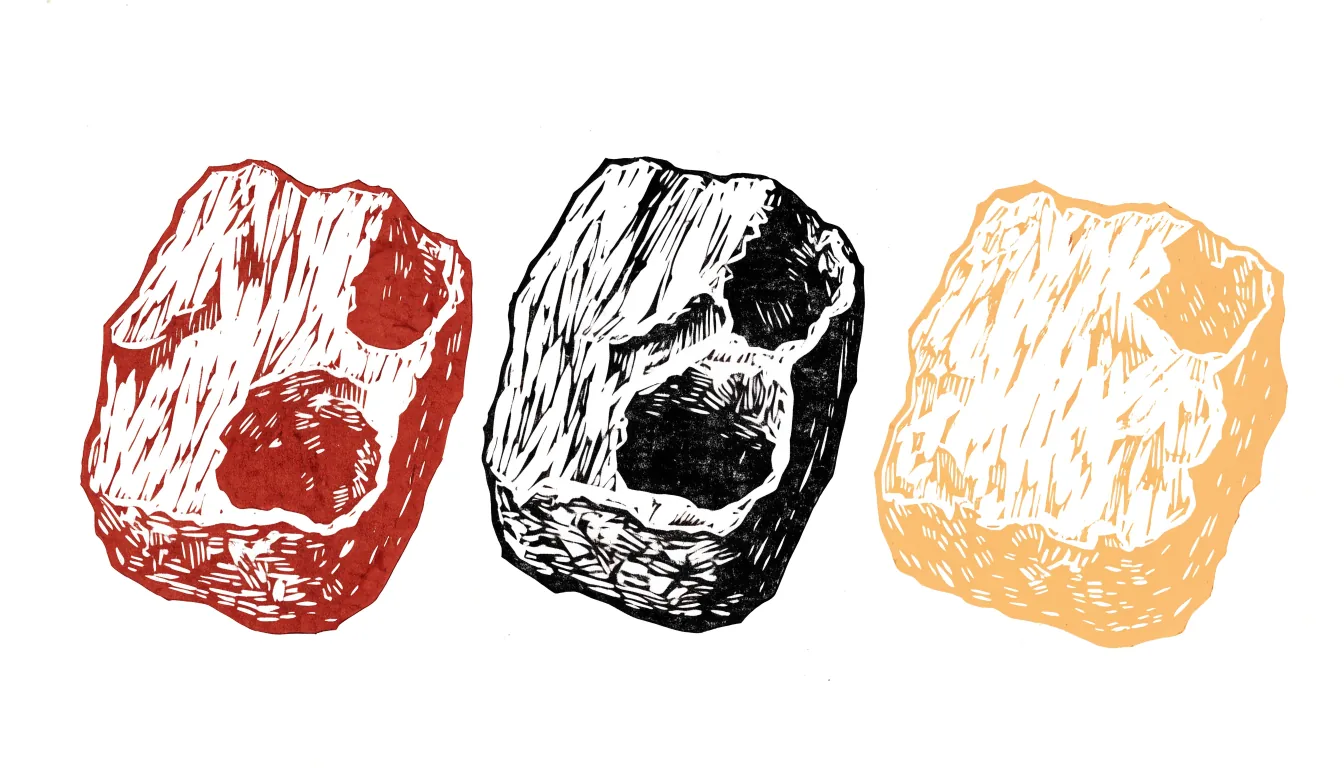
Recado is a family of Yucatecan seasoning pastes made by grinding spices, chiles and aromatics with an acid into a dense block or paste, sold and used by colour rather than by name.
Recado rojo is one member of the family, not the whole of it. English-language coverage treats the red one as if it were the category, which is how the other recados stay invisible.
Coverage of Yucatecan preparations on this site is researched rather than first-hand, written from published sources and supplier documentation.
What a recado actually is
A recado is a wet or semi-dry seasoning paste, ground fine and used to coat or marinate before cooking.
The word means message or errand in general Spanish, and its culinary sense is specific to the Yucatán and neighbouring areas of southern Mexico, Belize and Guatemala.
It is compounded rather than single-origin. A recado always contains several ingredients ground together, which is what separates it from a ground spice.
Acid is usually part of it, most often sour orange, which both seasons and helps it keep.
It is sold in blocks and tubs in Yucatecan markets, and as a paste in a plastic tub or vacuum pack in export markets.
It is a base rather than a finish. Recado goes onto the food before cooking, not onto the plate afterwards.
The family, by colour
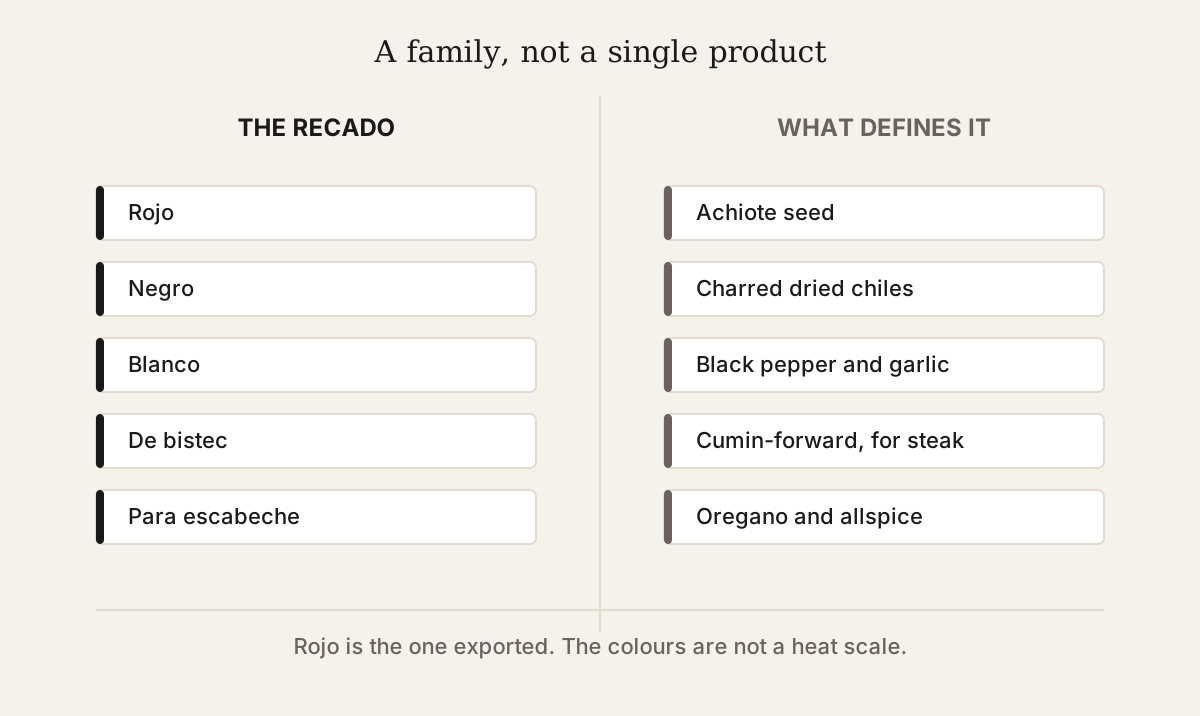
Recados are distinguished by colour, and each colour has a defining ingredient.
| Recado | Defining ingredient | Typical use |
|---|---|---|
| Rojo, red | achiote seed | cochinita pibil, pollo pibil |
| Negro, black | charred dried chiles | relleno negro, turkey dishes |
| Blanco, white | black pepper and garlic, no chile colour | puchero, white stews |
| De bistec | cumin-forward, for steak | grilled and pan-cooked beef |
| Para escabeche, or de especias | oregano and allspice | escabeche oriental |
Rojo is the one exported. The others are largely made and sold locally, which is why English-language writing rarely names them.
Negro is the most laborious. The chiles are burned rather than merely toasted, and the resulting paste is nearly black and genuinely bitter.
The colours are not a heat scale. None of these is defined by how hot it is.
Recado rojo specifically
Recado rojo is ground achiote seed with oregano, cumin, black pepper, garlic, allspice and sour orange, and it is the paste most recipes mean by achiote paste.
Achiote provides the colour and very little of the flavour, which comes from the aromatics ground with it.
Sour orange provides the acid. Where it is unavailable, a mixture of orange and lime juice is the usual substitution.
It is not the same as ground achiote seed, and substituting one for the other is the most common error made with it. Ground seed gives colour and none of the seasoning.
Commercial pastes vary widely in salt content and in whether they carry added colouring, and the ingredient panel is the only way to know.
How it is used
Recado is thinned with acid or liquid, rubbed onto meat, and left to marinate before slow cooking.
Dissolve the block or paste in sour orange juice, vinegar or water before applying it. Applied undiluted it sits in patches.
Coat thoroughly and rest. Several hours is normal for pibil dishes and overnight is common.
It is cooked, not served raw. The acid and the raw garlic both need heat.
A little goes a long way. Recados are concentrated, and the usual error in a first attempt is using too much rather than too little.
Buying it in the United States
Recado rojo is widely available from Mexican importers and in Latin grocers, and the other recados are much harder to find.
Checked on 13 August 2026, a United States search for the term returned suppliers of recado rojo and recipe publishers on the first page, with the other colours far less represented. Counting rule: a result counts as a seller when it offers a recado paste for purchase. Sellers were present on that rule, which describes that search on that date and is not a recommendation of any seller.
Look for it as achiote paste on mainstream retailers, which is how it is usually labelled in English.
Yucatecan brands are the ones to look for if you want a formula closer to the regional standard.
Read the salt content. Some export formulations are considerably saltier than a market block.
Storage
Refrigerated after opening, a recado paste keeps for months, and the dense blocks keep longer still.
The acid and salt are preservative, which is part of why the pastes exist in this form.
It dries out rather than spoiling in most cases, and a dried block can be rehydrated with a little sour orange.
Freezing works and is worth doing if you bought a large block and cook Yucatecan food occasionally.
It stains on the achiote schedule, which is to say permanently.
Frequently asked questions
Is recado the same as achiote paste?
Recado rojo is what English-language recipes usually mean by achiote paste, so in practice yes for that one colour. But recado is a family and rojo is one member. Recado negro, blanco, de bistec and para escabeche are all recados and none of them is an achiote paste, so treating the two terms as synonyms hides most of the category.
Is recado a marinade or a spice blend?
Recado is neither exactly, which is why the word is worth keeping. It is a compounded paste, ground rather than mixed, usually carrying acid, and applied to food before cooking. It behaves like a marinade in use and like a spice blend in composition, and calling it either one loses something.
Can I make recado rojo at home?
Yes, recado rojo can be made at home, though the achiote seed is the difficult part. The seed is very hard and needs a spice grinder or a long soak before it will break down; a mortar alone is slow going. Everything else in the paste is ordinary. Many cooks who make their own start from ground achiote rather than whole seed for exactly this reason.
What can I use instead of sour orange?
A mixture of orange juice and lime juice is the standard substitution, in roughly two parts orange to one part lime, adjusted to taste. Sour orange is more aromatic and more bitter than the mixture, so the result is close rather than identical. Bottled sour orange is sold by Latin importers and is the better option where you can get it.
Why is recado negro black?
Because the chiles used in it are burned rather than toasted, deliberately and completely, and the resulting charcoal is ground into the paste. The bitterness that produces is the point of the preparation rather than a fault in it, and it is the most demanding of the recados to make well.
The pairing
“Peregrina”, Ricardo Palmerín, 1923, Mexico.
Regional. A Yucatecan trova song from Mérida, the peninsula where the recados are domestic rather than exotic, written by a composer of the region that gave the pastes their name.
We write about seasoning preparations across Latin America, what separates the regional variants, and where to buy them in the United States.